• Skip to primary navigation
  • Skip to main content
  • Skip to primary sidebar

Frugal Gardening

Simple ways to save money while you garden

  • About
  • Contact Us
  • Garden Frugally
  • Buy These
  • Our Editorial Commitment
  • Navigation Menu: Social Icons

    • Facebook
    • Pinterest
    • Twitter

Are Compost Bins Worth the Money?

May 11, 2020 by Steph Coelho Leave a Comment

is a compost bin worth the money

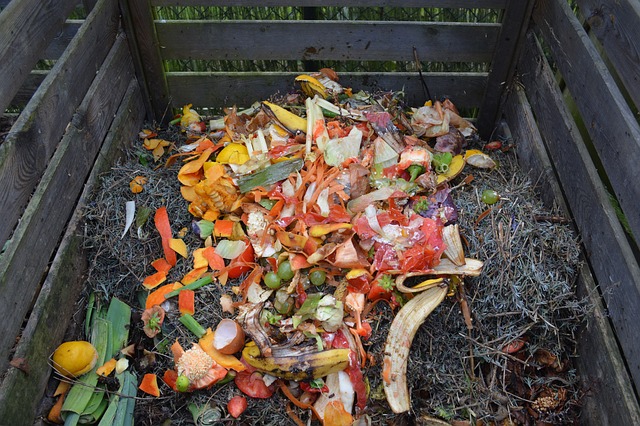
Compost is an excellent amendment for your garden, and making your own is reasonably straightforward and cheap. Is it worth investing in a bin, though? Are compost bins worth the money?

Let’s take a look at the cost of a traditional compost bin and the benefits of buying a pre-built container. 

Cost of a compost bin

To find out whether compost bins are worth the money, we must understand the cost of the average model.

Storebought bins range in price but on average cost about $100. The larger and more complex the bin, the higher the price tag. Tumbler-style bins tend to cost a bit more than freestanding plastic options. 

Indoor compost systems designed to break down food mechanically are cost-prohibitive, and the technology still has a long way to go. 

There are, however, plenty of simple, inexpensive bin designs available on the market. 

Benefits of a store-bought compost bin 

Why bother purchasing a bin? Here are a few pros:

  • Ready to go. Store-bought compost bins are ready to use right out of the box, often with little assembly required. They’re great for gardeners with minimal DIY experience. 
  • Great for beginners. If you’re totally new to composting, buying a bin is an excellent way to get started. Many bins also come with handy instructions.
  • Pays for itself. If you use it correctly, your bin will pay for itself over time. You won’t need to buy bags of compost when the time comes to amend your soil. 

Buying a compost bin isn’t worth it, however, if you expect to move in the near future since most bins are not easily portable.

DIY compost bin ideas

Frugal gardeners who prefer not to spend too much cash at once can create DIY compost bins from found, recycled, or inexpensive materials. You don’t need much to make your very own compost container. Here are a few ideas for building your own bin from scratch:

Worm compost bin

I wrote a post a little while ago about how to create an easy DIY worm compost bin.

Cinderblock compost bin

Have leftover cinder blocks from long past outdoor projects? Use them to build a sturdy compost bin. 

Wire compost bin

This innovative, easy to build compost bin idea requires minimal tools and materials and keeps all your green and brown waste in one tidy spot.

Milkcrate compost bin

Check out this creative idea for repurposing milk crates into a super simple and effective compost bin. 

Leftover pallet compost bin

Don’t let leftover pallets go to waste. Use them to create a DIY compost bin. Instead of tossing those old pallets to the side of the road, recycle them into a garden project. 

DIY Tumbler Compost Bin

Photograph of Steph Coelho.
Steph Coelho

Steph Coelho is a freelance writer gardening in zone 5b. She is a certified Square Foot Gardener and has taught various garden-related workshops. When she’s not digging in the dirt or writing, she’s cooking up fresh produce, running, or listening to her favorite podcasts.

Filed Under: composting Tagged With: compost, compost bin, composting

Previous Post: « Hardening Off Plants Headache-Free
Next Post: Keep the Garden Well-Watered: 5 Tried & True Tools »

Reader Interactions

Leave a Reply Cancel reply

Your email address will not be published. Required fields are marked *

Primary Sidebar

Struggling to get your garden off the ground? Put those days behind you with our special starter kit – perfect for thrifty green thumbs everywhere. Get growing and add a splash of color today!

Popular Posts

  • usda free seeds websiteHow To Get Free Seeds From The Government by Amanda Blankenship Seeds might seem like a small expense, but any seasoned…
  • Enviro Ice On PlantsShould I Use Enviro Ice On My Plants? by Kathryn Vercillo Every week, I receive food from Hungryroot. It's a great…
  • is shredded paper good for the gardenFrom Trash to Treasure: Transform Shredded Paper Into Garden Gold by Amanda Blankenship Should you use shredded paper as garden mulch? It might…
  • Enviro IceWhat Happens to Plants If You Use Enviro Ice on Them? by Amanda Blankenship About a year ago, I wrote our first article about…
5 Smart Layout Adjustments That Increase Yield

5 Smart Layout Adjustments That Increase Yield

Gardens don’t need more land to produce more food—they need smarter design. Small layout tweaks can completely change how plants grow, breathe, and produce. Many home gardeners across the United States struggle with crowded beds, uneven sunlight, and disappointing harvests, even when they work hard. The good news: yield often depends more on arrangement than…

Read More

7 Dry-Climate Selections That Thrive With Minimal Water

7 Dry-Climate Selections That Thrive With Minimal Water

Dry summers, rising water bills, and stubbornly hot afternoons don’t have to turn a garden into a struggle zone. The right plants actually enjoy the heat and barely flinch when the watering can stays on the shelf for a few extra days. Smart gardeners across the United States are leaning into drought-tough selections that bring…

Read More

The Overcrowding Issue That Reduces Growth Potential

The Overcrowding Issue That Reduces Growth Potential

Crowded garden beds often look impressive at first glance, but they quietly sabotage plant performance from the moment roots take hold. Many American home gardeners pack too many seeds or seedlings into limited space, hoping for a bigger harvest, yet the opposite outcome usually shows up by midseason. Plants react fast to competition, and they…

Read More

Why Nutrient Imbalances Slow Growth Over Time

Why Nutrient Imbalances Slow Growth Over Time

Gardens rarely fail overnight, yet many plants slowly lose their spark without any obvious warning. One week everything looks lush, and a few weeks later growth stalls, leaves fade, and harvests disappoint. Nutrient imbalances often sit at the center of this slow decline, quietly reshaping how plants develop from root to tip. Once the soil…

Read More

  • About
  • Contact Us
  • Garden Frugally
  • Buy These
  • Our Editorial Commitment
  • Navigation Menu: Social Icons

    • Facebook
    • Pinterest
    • Twitter
  • Facebook
  • Pinterest
  • Twitter

Copyright © 2026 · Foodie Pro & The Genesis Framework