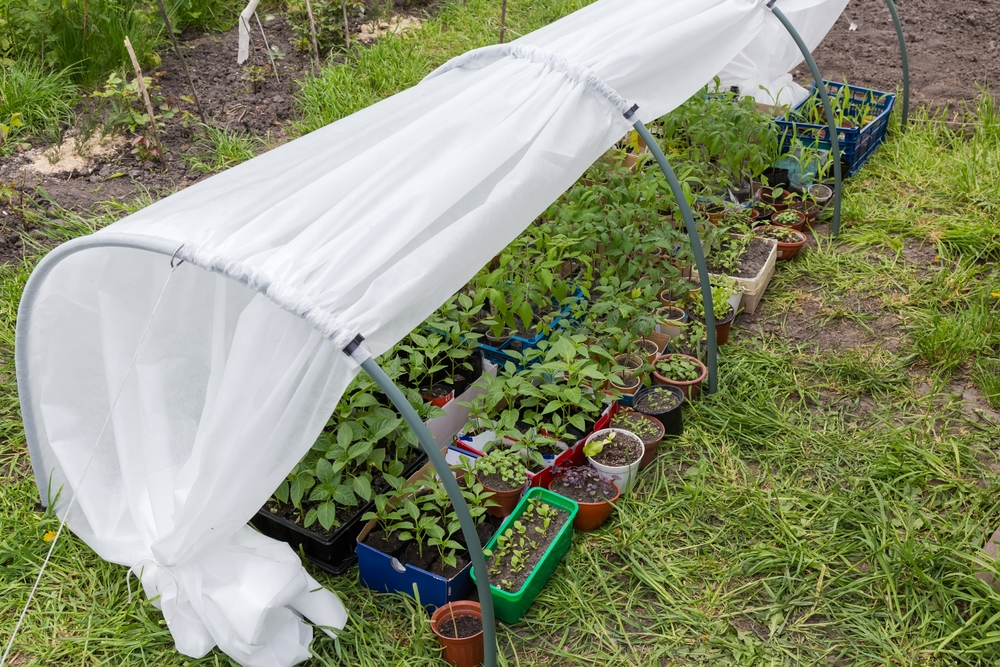
As the days get shorter and frost starts sneaking in like an uninvited guest, many gardeners hang up their hats and call it a season.
But wait! Cold frames—those magical mini-greenhouses hugging the ground—are here to rescue your late-season garden dreams. They trap heat, protect tender plants, and extend your growing season well into chillier months.
With a little planning, you can coax seedlings into thriving when the world outside looks gray and frosty. Time to dig into nine superstar seedlings that love cold frames and will keep your garden buzzing long after most have packed it in.
1. Spinach: The Cold-Weather Champion
Spinach is basically a superhero in leafy green form when it comes to cold frames. It tolerates frost like a pro and even becomes sweeter after a light freeze. Sow seeds in late summer or early fall, and you’ll enjoy a continuous harvest for months. The compact growth habit fits perfectly under a cold frame, making it easy to protect and monitor. Add a little mulch inside the frame, and your spinach will practically cheer every morning for the sun.
2. Lettuce: Crisp, Colorful, And Cool
Lettuce doesn’t just love cool weather—it thrives in it. Loose-leaf varieties are especially adaptable to cold frames and can be harvested leaf by leaf without disturbing the rest of the plant. With a cold frame, you can dodge those sudden frosts that would normally turn your tender greens into mush. Plant multiple colors for a vibrant salad that feels like summer in the middle of fall. Remember, consistent watering and occasional ventilation will keep the leaves crisp and happy.
3. Radishes: Speedy And Frost-Friendly
Radishes are the sprinters of the seedling world—they germinate quickly and mature in just a few weeks. Cold frames give them a protective edge against early frosts while letting you enjoy peppery crunches longer than traditional outdoor planting. Their small roots don’t require deep soil, which makes them perfect for shallow cold frames. Plant in succession every couple of weeks to keep a steady harvest rolling. The bonus? Radishes are surprisingly decorative with their bright red or purple skins peeking through the soil.
4. Kale: A Leafy Powerhouse
Kale is basically indestructible when it comes to cold, making it a perfect late-season candidate. Its hearty leaves can withstand frost, snow, and even light freezes, which actually improve flavor. Cold frames help young seedlings grow strong before winter fully sets in. Sow your seeds densely and thin them as they grow for maximum yield. Bonus: kale will keep producing leaves all winter long if you protect it carefully.
5. Carrots: Sweet Roots Under Cover
Carrots take a bit longer to mature, but cold frames can give them the time and protection they need. Frost-touched carrots develop sweeter, more complex flavors, and the frame keeps them safe from frost heaving and critters. Make sure the soil is loose and deep enough to allow those roots to stretch out comfortably. Regular watering prevents splitting and encourages uniform growth. By the time the snow hits, your winter carrot stash will be ready for hearty soups and roasted delights.
6. Arugula: Spicy And Tenacious
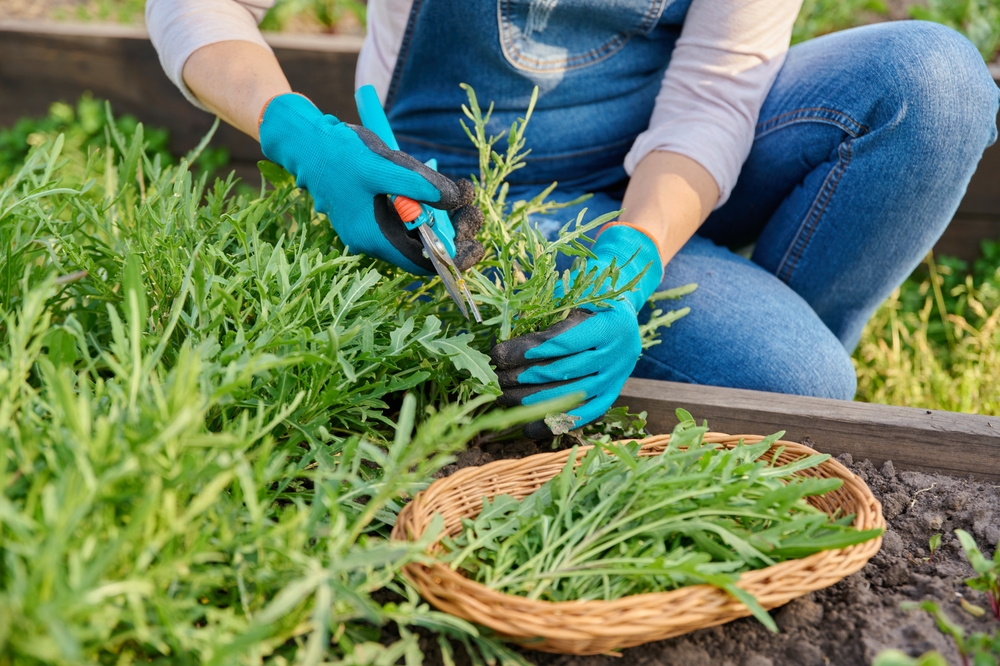
Arugula is a small but mighty green that adds peppery zing to any late-season salad. Its delicate leaves can be vulnerable to frost outdoors, but a cold frame gives them a cozy climate to flourish. Fast-growing and easy to succession plant, arugula keeps your harvest constant. Pair it with other leafy greens for a salad that feels fresh even when the temperatures drop. A little protection goes a long way, and you’ll be amazed how resilient this feisty little green is.
7. Beets: Roots And Greens That Thrive
Beets are dual-purpose champions: roots for roasting and greens for salads. They handle cooler temperatures well, and cold frames allow seedlings to grow slowly but steadily without shock. Thin seedlings carefully to give roots room to develop while keeping the greens lush above ground. Frost can even enhance the sweetness of the roots, giving your kitchen an extra treat. Once harvested, the greens can continue producing from the same plant, extending the bounty.
8. Swiss Chard: A Colorful, Hardy Delight
Swiss chard is the garden’s late-season showstopper with stems in vibrant reds, yellows, and oranges. Cold frames protect its tender seedlings from sudden chills and frost, giving you more time to enjoy its ornamental beauty and nutritional punch. Sow seeds late in the season and you’ll have a succession of harvestable leaves throughout fall and into winter. Chard’s slightly bitter, earthy flavor actually improves with cooler temperatures. Plus, it pairs beautifully with kale and spinach in hearty winter salads.
9. Mustard Greens: Bold And Brisk
Mustard greens bring a bold, spicy flavor that loves the cooler weather that late-season gardening brings. Cold frames give them shelter and warmth, extending their growing season while keeping frost at bay. These leafy greens grow quickly, so you can enjoy multiple harvests in a relatively short span. Interplant them with slower growers like carrots or beets to maximize your cold frame space. Mustard greens also pack a nutritional punch, making them a healthy addition to your late-season garden lineup.
Keep Growing Even As The Cold Sets In
Cold frames are not just a tool—they’re a secret weapon for gardeners who refuse to let the frost dictate their season. By selecting the right late-season seedlings, you can keep fresh, flavorful greens and roots coming long after the first chill. Experiment with these nine plants, mix and match, and watch your garden thrive when most have already packed up.
Have you tried using cold frames to extend your growing season? Drop your thoughts, experiences, or gardening tips in the comments section below.
You May Also Like…
Why Seedlings Fail in Late Plantings
Start These Seeds Indoors Now to Beat Spring Rush
Cold Frame Magic: How to Keep Growing Fresh Veggies Through Winter
How Cold Frames Extend More Than Just Lettuce
How to Build a Garden Routine That Works While It’s Too Cold to Dig

Brandon Marcus is a staff writer for FrugalGardening.com at District Media, Inc., where he delivers practical gardening advice with a relatable, no-nonsense style. An avid amateur gardener, he holds a BA degree and with over ten years of professional writing experience, he is also an award-winning published author whose first book, Questions For Deep Thinkers, was released by Adams Media. His work has appeared in major publications including Fandom.com, CHUD.com, TheColdWire.com, and Fansided.com.
Leave a Reply