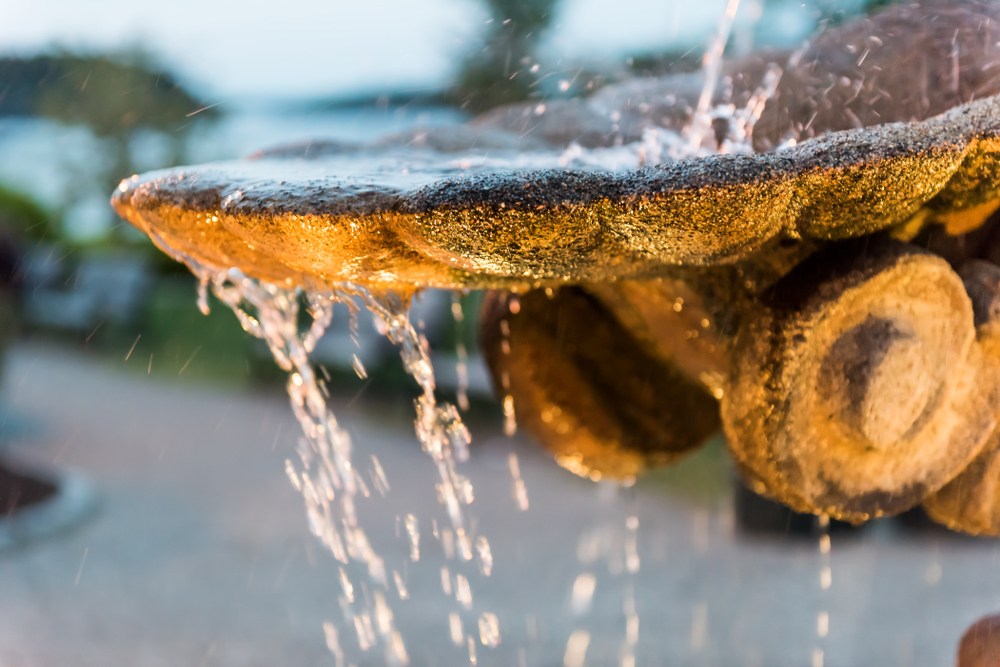
If you’ve ever strolled past your backyard fountain in December and thought, “Eh, it’ll be fine until spring,” brace yourself—because that innocent-looking decorative feature might be plotting financial chaos. A fountain that runs flawlessly all summer can turn into a cracked, leaking, wallet-draining disaster once temperatures drop. Winter has a way of sneaking up on homeowners, especially when water features are involved, and the damage can be shockingly expensive.
Most of the issues that happen are completely preventable with just a bit of attention before the freeze sets in. So before winter rolls in like a chilled wrecking ball, let’s break down why your fountain absolutely cannot be ignored.
Freezing Water Expands And Breaks Everything
When water freezes, it expands with a kind of vengeful enthusiasm that can destroy even sturdy fountain materials. A fountain that still contains water—even a tiny amount—can crack, split, or burst as the ice pushes outward from inside. Concrete, stone, ceramic, and even durable resins are all vulnerable to the relentless pressure of freezing water. Once the structure cracks, repairs can easily cost hundreds, if not more, depending on the size and material. The simple act of draining your fountain before the first freeze can save you from huge repair bills and a major springtime headache.
Motors And Pumps Don’t Survive The Cold
Your fountain’s pump is the heart of the entire system, but winter treats it without mercy. If the pump is left submerged in freezing water, the internal components can seize, warp, or completely burn out once temperatures rise again. Even pumps that seem fine after a freeze often fail within weeks because invisible damage occurred during the cold months. Replacing a pump isn’t cheap, and the more advanced your fountain setup, the more you’ll pay when it finally gives out. Taking five minutes to remove, dry, and store your pump indoors is one of the easiest ways to avoid a surprisingly expensive repair.
Ice Can Ruin Your Fountain’s Finish
Beyond structural damage, winter can wreak havoc on the aesthetic appeal of your fountain. When water freezes on the exterior, it can cause paint or sealant to bubble, peel, or flake away in unattractive patches. These surface issues may seem minor at first, but once protective coatings deteriorate, the underlying material becomes vulnerable to further damage. By spring, you might find discoloration, erosion, or weakened areas that require resurfacing or resealing. Protecting your fountain during winter isn’t just about avoiding cracks—it’s about preserving its beauty too.
Neglect Leads To Clogged Lines And Hidden Damage
Even if you live in a milder climate where freezing temperatures come and go, ignoring your fountain can still create expensive problems. Leaves, dirt, and debris love to settle inside fountain basins, pumps, and tubing during the winter months. When the system sits idle, these materials compact and harden, clogging water lines and putting stress on pump components. Once you restart the fountain in spring, the sudden pressure of water against clogged passages can cause leaks or pump failure. A little cleaning and prep now prevents a messy, time-consuming, and costly cleanup later.
Winter Weather Can Shift Fountain Bases
It’s easy to forget that fountains are often placed on soil, gravel, or patios that shift subtly during the winter. When the ground freezes and thaws repeatedly, it can cause your fountain to tilt or become unbalanced. What starts as a slight lean can turn into stress fractures or tipping hazards when water flow resumes. An uneven fountain also causes water to spill where it shouldn’t, wasting water and potentially damaging nearby surfaces. Taking the time to stabilize or store your fountain before winter hits can help you avoid a surprise repair bill when warm weather returns.
Animals Love Unattended Fountains In Winter
Here’s a surprising one: winter wildlife can turn unused fountains into convenient homes or hydration spots. Birds, rodents, and even neighborhood cats might use any remaining water or sheltered areas inside the fountain as a refuge. Their presence can lead to nesting materials clogging components, scratches or damage to the surface, or small leaks forming where animals have pried or clawed. While you may love the idea of helping wildlife, your fountain isn’t built for their winter activities. Covering or storing your fountain protects it—and keeps animals from causing unintended harm.
Repairs Are More Expensive In Spring
Winter is the season of damage, but spring is the season of sticker shock. Once temperatures rise, homeowners across the country suddenly realize their fountains are cracked, clogged, or no longer functioning at all. This rush often leads to backed-up repair schedules, pricier replacement parts, and longer wait times. On top of repair costs, you may find yourself paying for emergency fixes if you want to start using your fountain right away. Winter prep is not just about preventing damage—it’s about avoiding seasonal repair surges that hit your wallet hard.

A Little Prep Goes A Long Way
The irony of fountain maintenance is that winterizing a water feature takes far less time and money than repairing one. Draining the water, cleaning the surfaces, storing the pump, and covering or moving the fountain can usually be done in under an hour. This simple routine protects your fountain from freezing, cracking, clogging, and seasonal wear. It’s a tiny investment compared to the hundreds—or thousands—you could spend later fixing preventable issues. Winterizing isn’t just responsible maintenance; it’s a smart financial move.
Protect Your Fountain Now, Save Your Money Later
Ignoring your fountain during winter isn’t a harmless oversight—it’s an invitation for costly damage, frustrating repairs, and a disappointing spring reveal. With a little preparation, you can avoid cracks, pump failures, clogs, and weather-related deterioration that stack up fast on your bank account. A few minutes of attention now truly saves you from spending hundreds later.
Have you ever forgotten to winterize a fountain or learned a hard lesson from cold-weather damage? Share your experiences, stories, or tips in the comments.
You May Also Like…
- The Hidden Frost Zones in Your Yard That Kill More Plants Than You Think
- 10 Ornamental Plants That Glow in Fall Sunlight
- Why You Need to Check Soil Drainage Before the First Freeze
- 7 Native Shrubs to Plant Before the Ground Freezes
- Grow This Indoors and You’ll Have Fresh Herbs All Winter

Brandon Marcus is a staff writer for FrugalGardening.com at District Media, Inc., where he delivers practical gardening advice with a relatable, no-nonsense style. An avid amateur gardener, he holds a BA degree and with over ten years of professional writing experience, he is also an award-winning published author whose first book, Questions For Deep Thinkers, was released by Adams Media. His work has appeared in major publications including Fandom.com, CHUD.com, TheColdWire.com, and Fansided.com.
Leave a Reply