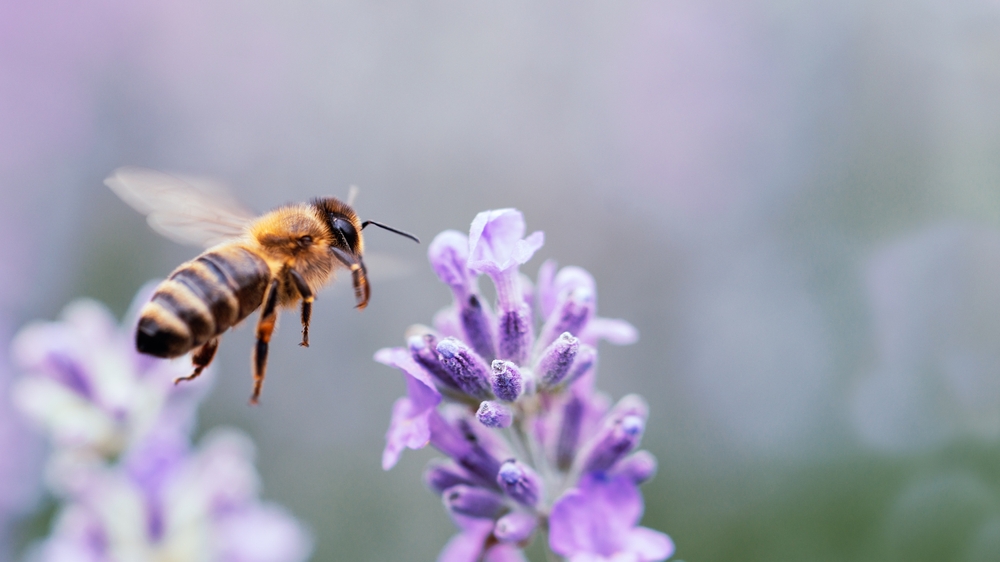
The first cold snap of the season has a way of surprising even the most prepared gardeners, sending people scrambling for gloves, mulch, and emergency plant blankets. But while we’re busy protecting tomatoes and trimming perennials, the tiniest members of our ecosystem are quietly searching for a safe place to survive the winter. Pollinators—those buzzing, fluttering, quietly heroic creatures—need shelter long before the frost settles into the soil.
And if you’ve ever wondered why building pollinator hotels early actually matters, the answer is far more fascinating (and important) than most people realize. Before the temperature dips and nature hits pause, these small, purpose-built shelters can give pollinators a fighting chance at thriving come spring.
Why Timing Matters For Overwintering Pollinators
Many pollinator species don’t migrate; they stay put and ride out the cold months right in our backyards. Building a pollinator hotel before frost gives bees, beetles, and other beneficial insects the chance to settle in while their bodies are still active enough to find shelter. Once frost arrives, most pollinators enter dormancy or diapause and no longer have the energy to search for new habitats. Early preparation helps them locate safe, dry, insulated spots that mimic natural cavities found in fallen logs or hollow stems. Without this timely refuge, overwinter survival rates can drop dramatically.
How Early Construction Helps Establish Familiarity
Pollinators, especially solitary bees, rely on predictable nesting spaces that they can return to year after year. Constructing hotels before frost gives them time to explore and select the right chambers while they’re still actively scouting. If the hotel appears too late, they may already be committed to less protected, riskier natural spots. In the weeks leading up to frost, insects are more alert, observant, and responsive to new structures in their environment. Giving them this window makes your pollinator hotel more likely to be used—and successfully so.
What Frost Does To Unprotected Nesting Sites
Frost doesn’t just make things cold; it reshapes the micro-environments pollinators depend on. Exposed soil hardens, reducing access to burrowing species that normally nest underground. Moisture can freeze inside hollow plant stems or wood cavities, damaging eggs and larvae tucked away for the winter. Natural shelters become scarce as plants die back and organic debris compacts under the weight of cold weather. Providing a pre-frost hotel gives pollinators a dry, insulated alternative that won’t collapse or freeze when the temperature plummets.
Why Pollinator Hotels Boost Spring Populations
A well-built hotel set out before frost becomes more than winter real estate—it’s next year’s pollination powerhouse. When insects overwinter successfully, they emerge stronger and earlier in the spring. Early emergence means more efficient pollination cycles for fruit trees, herbs, ornamentals, and vegetable gardens. Stable habitats also encourage generational nesting, allowing populations to build over time instead of starting from scratch each year. Simply put, your early effort pays off in a major ecological comeback once the thaw arrives.
The Role Of Habitat Scarcity In Modern Landscapes
Urbanization and overly tidy lawns have stripped away many natural hiding places that pollinators once relied on. Fallen branches, leaf piles, dead stems, and decaying wood—once perfect winter shelters—are often removed in the name of aesthetics. By building pollinator hotels before frost, you compensate for the lack of natural debris that used to protect these insects from winter conditions. Early installation ensures pollinators can find your hotel before their instinctual “search window” closes. This small act helps restore habitat diversity in areas where nature has been overly manicured.
Why Building Too Late Reduces Effectiveness
Once frost sets in, pollinators have already committed to survival mode and rarely switch nesting sites. Late-built hotels often sit unused, not because the structure is flawed, but because the tenants simply can’t relocate. Eggs or larvae placed in exposed locations earlier in the season will remain there, vulnerable to winter damage. Installing your hotel early ensures pollinators are aware of its presence during their active search period. The difference between early and late installation can mean the difference between a thriving pollinator season and a quiet spring.
The Hidden Benefits For Gardeners And Backyard Ecosystems
When pollinators overwinter successfully, the ripple effects extend far beyond individual insects. Their early spring activity enhances crop yields, supports native plant revival, and increases biodiversity in your yard. A pre-frost pollinator hotel helps stabilize your garden’s food web, offering a protected home for predators of pests like aphids and mites. The hotel becomes a mini community that strengthens the entire surrounding ecosystem. And as every gardener knows: a thriving ecosystem means a healthier, more resilient garden.
Building Good Habits For Future Seasons
Constructing pollinator hotels before frost isn’t just a seasonal task—it becomes part of a yearly rhythm that syncs you with the rhythms of nature. You learn to observe seasonal shifts more closely, noticing the cues that pollinators themselves follow. Each year, you get better at placing, designing, and maintaining your pollinator habitats. Over time, this becomes one of the most rewarding parts of fall gardening—knowing your small effort directly contributes to sustaining life through the harshest months. And spring rewards you with the buzzing gratitude of creatures who survived because you prepared early.
Build Early, Support Life
Building pollinator hotels before frost is one of the simplest, most impactful ways to support local ecosystems and strengthen your garden’s future. When you prepare shelters early, you’re giving pollinators a chance to find safety, nest securely, and overwinter successfully. These tiny creatures depend on us more than ever, and their survival shapes the health of our environments in ways we often overlook.
If you’ve built a pollinator hotel or plan to, share your experiences, ideas, or questions in the comments below because we’d love to hear your stories and insights!
You May Also Like…
- How Autumn Pollinators Choose Their Flowers
- How Late-Season Pollinators Depend on Your Garden
- 9 Plants That Attract Pollinators in the Cool Months
- How to Make Your Garden Pollinator-Friendly Without Buying a Single Bee House
- How to Save Dahlias and Cannas Before Frost Turns Them to Mush

Brandon Marcus is a staff writer for FrugalGardening.com at District Media, Inc., where he delivers practical gardening advice with a relatable, no-nonsense style. An avid amateur gardener, he holds a BA degree and with over ten years of professional writing experience, he is also an award-winning published author whose first book, Questions For Deep Thinkers, was released by Adams Media. His work has appeared in major publications including Fandom.com, CHUD.com, TheColdWire.com, and Fansided.com.
Leave a Reply