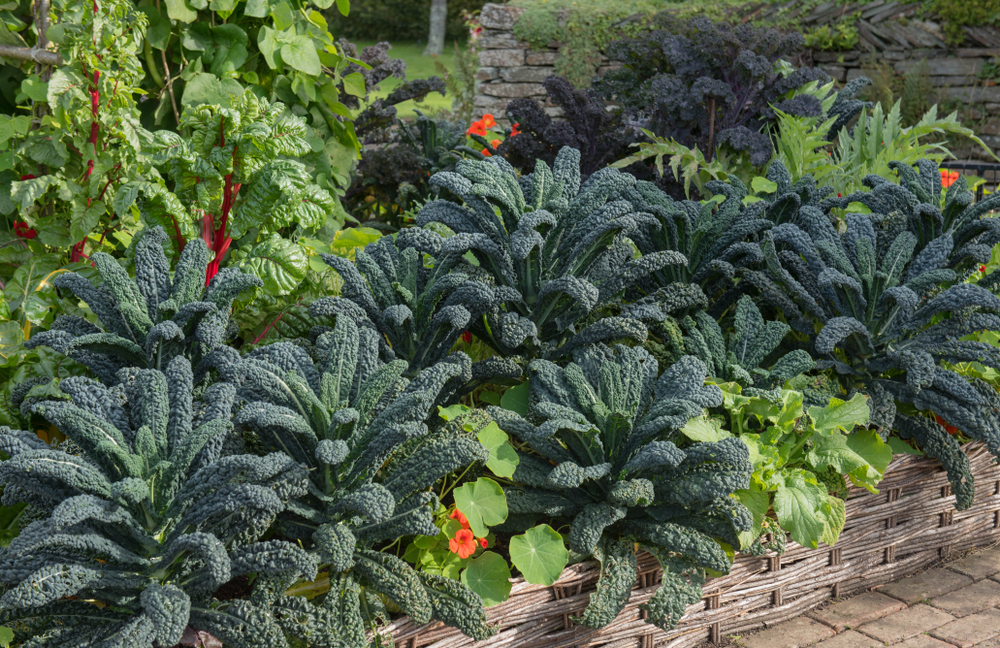
While tomatoes call it quits, peppers bow out, and basil dramatically fades like a Victorian poet at certain parts of the year, kale and spinach quietly keep pushing. They don’t demand applause, don’t wilt under pressure, and don’t act like divas about the temperature.
These two leafy giants aren’t just surviving—they’re thriving in the cold, shrugging at frost like it’s a mild inconvenience. Their toughness makes them the unspoken champions of late-season gardening, even though they rarely get the credit they deserve.
The Cold-Weather Resilience Of Leafy Greens
Kale and spinach thrive in temperatures that would make most garden crops stage a full revolt. Instead of withdrawing, these greens actually get sweeter when exposed to light frost as their starches convert to sugars for protection. This natural response turns November-grown greens into some of the tastiest of the year.
Many gardeners are surprised that these delicate-looking plants are actually more rugged than many root vegetables. When the rest of the garden looks like a melancholy still-life, kale and spinach stay vibrant, bright, and full of life.
Why Most Plants Fail In November
Most warm-season vegetables are simply not designed to handle cold temperatures, and they wilt as soon as the nights dip too low. Tomatoes, squash, and cucumbers spend all summer thriving in long sunshine hours and warm soil, only to feel completely betrayed when the weather shifts. Their cell structures are vulnerable to freezing, causing tissue damage almost instantly. Kale and spinach, however, are built differently, with sturdy internal systems designed to tolerate cold and even brief freezing. This fundamental biological resilience gives them the starring role when everyone else exits the stage.
The Flavor Transformation Only Cold Can Create
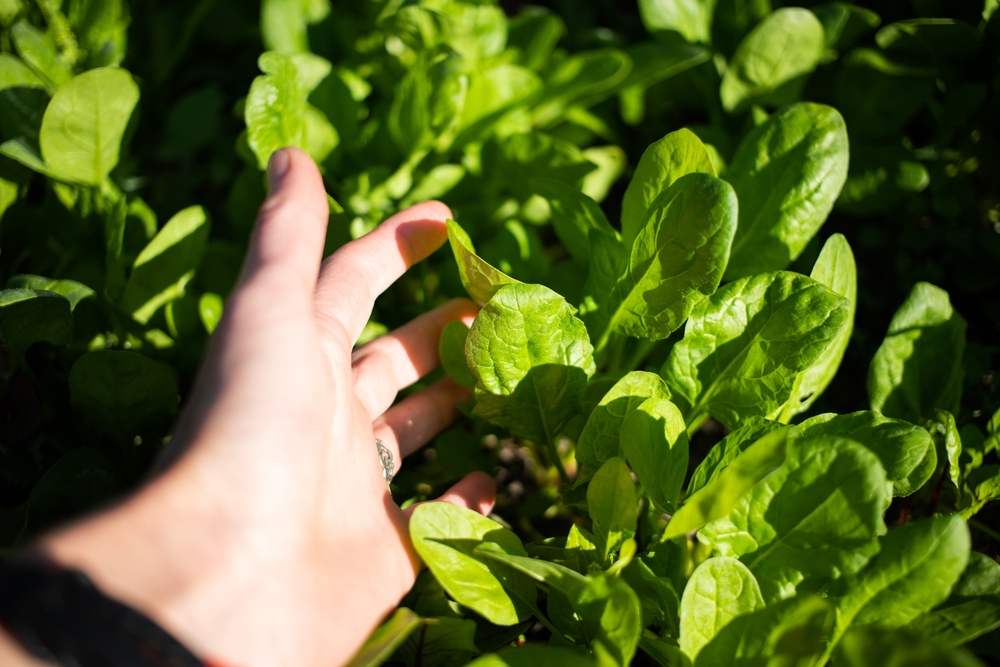
Kale and spinach taste dramatically different depending on when they’re grown, and November is arguably their performance peak. Cold weather triggers natural sugar production that enhances sweetness and softens bitterness, particularly in kale varieties. Spinach harvested in chilly weather tastes tender and surprisingly mellow, similar to its spring form but even more delicate. This means that late fall harvesting is not just possible—it’s deliciously strategic. Gardeners who only grow greens in warm seasons miss out on one of the best seasonal flavor shifts natures has to offer.
Nutrition That Packs a Seasonal Punch
Kale and spinach are nutritional powerhouses in any season but consuming them fresh from a cool-weather harvest gives your immune system a serious boost. These greens are loaded with vitamins A, K, and C, iron, calcium, and antioxidants that help the body handle winter stress. When eaten fresh—not shipped from far away or stored for long periods—they retain more of their beneficial compounds. November gardens offer some of the most nutrient-dense harvests of the year, right when the body needs them most. Growing these greens isn’t just good farming, it’s practical wellness planning.
Minimal Maintenance for Maximum Reward
Once established, kale and spinach ask for almost nothing in return. They don’t demand constant watering, fertilizer adjustments, or elaborate pruning sessions. Their robust nature means they practically grow themselves through the late fall, making them ideal for gardeners who want food without fuss. Even pests are less interested during the cold months, giving the greens room to flourish without interference. In a season when energy is lower and days are shorter, plants that require minimal attention are pure gold.
Perfect For Succession Planting and Year-Round Gardening Goals
Because kale and spinach germinate well in cooler soil and grow steadily in lower light, they are natural candidates for extending the garden season. Gardeners can plant them in late summer or early fall and harvest steadily all the way into winter, especially with a simple cold frame or row cover. This makes them essential for anyone wanting to break free from the idea that gardening only belongs to warm weather. They bridge the seasonal gap and keep fresh produce available long after grocery stores switch to imported greens. Their reliability empowers gardeners to feel capable even when the calendar suggests gardening season is over.
Why They Still Don’t Get the Attention They Deserve
Despite their value, kale and spinach often get overshadowed by flashier garden stars—summer crops that photograph better or attract more excitement in seed catalogs. Greens are sometimes viewed as “basic” or utilitarian, rather than thrilling or celebratory. Yet when the frost arrives, it’s the so-called plain vegetables that are still standing strong. They carry the quiet dignity of being useful, dependable, and nourishing. Their lack of glamour is precisely what makes their resilience feel so impressive once November rolls in.
The Steadfast Champions Of The Cold Season
Kale and spinach may not get the spotlight, but they have earned their place as the true heroes of the November garden. They thrive when other plants surrender, taste even better in chilly air, and offer nutrition when our bodies need it most. Their calm, hardworking presence reminds us that not every reward in the garden needs a trumpet fanfare. Sometimes greatness looks like green leaves waving through frost without complaint.
Have thoughts, experiences, or stories about late-season gardening? Share them in the comments below.
You May Also Like…
Cold Frame Magic: How to Keep Growing Fresh Veggies Through Winter
If You Only Grow One Type of Spinach Let This One Be It
Why November Is the Smartest Month to Test Your Garden Soil
How to Keep Your Citrus Trees Alive When November Frost Hits Hard
6 Crops to Protect With Row Covers in Fall

Brandon Marcus is a staff writer for FrugalGardening.com at District Media, Inc., where he delivers practical gardening advice with a relatable, no-nonsense style. An avid amateur gardener, he holds a BA degree and with over ten years of professional writing experience, he is also an award-winning published author whose first book, Questions For Deep Thinkers, was released by Adams Media. His work has appeared in major publications including Fandom.com, CHUD.com, TheColdWire.com, and Fansided.com.
Leave a Reply