• Skip to primary navigation
  • Skip to main content
  • Skip to primary sidebar

Frugal Gardening

Simple ways to save money while you garden

  • About
  • Contact Us
  • Garden Frugally
  • Buy These
  • Our Editorial Commitment
  • Navigation Menu: Social Icons

    • Facebook
    • Pinterest
    • Twitter

If You Only Grow One Type of Spinach Let This One Be It

January 13, 2025 by Steph Coelho Leave a Comment


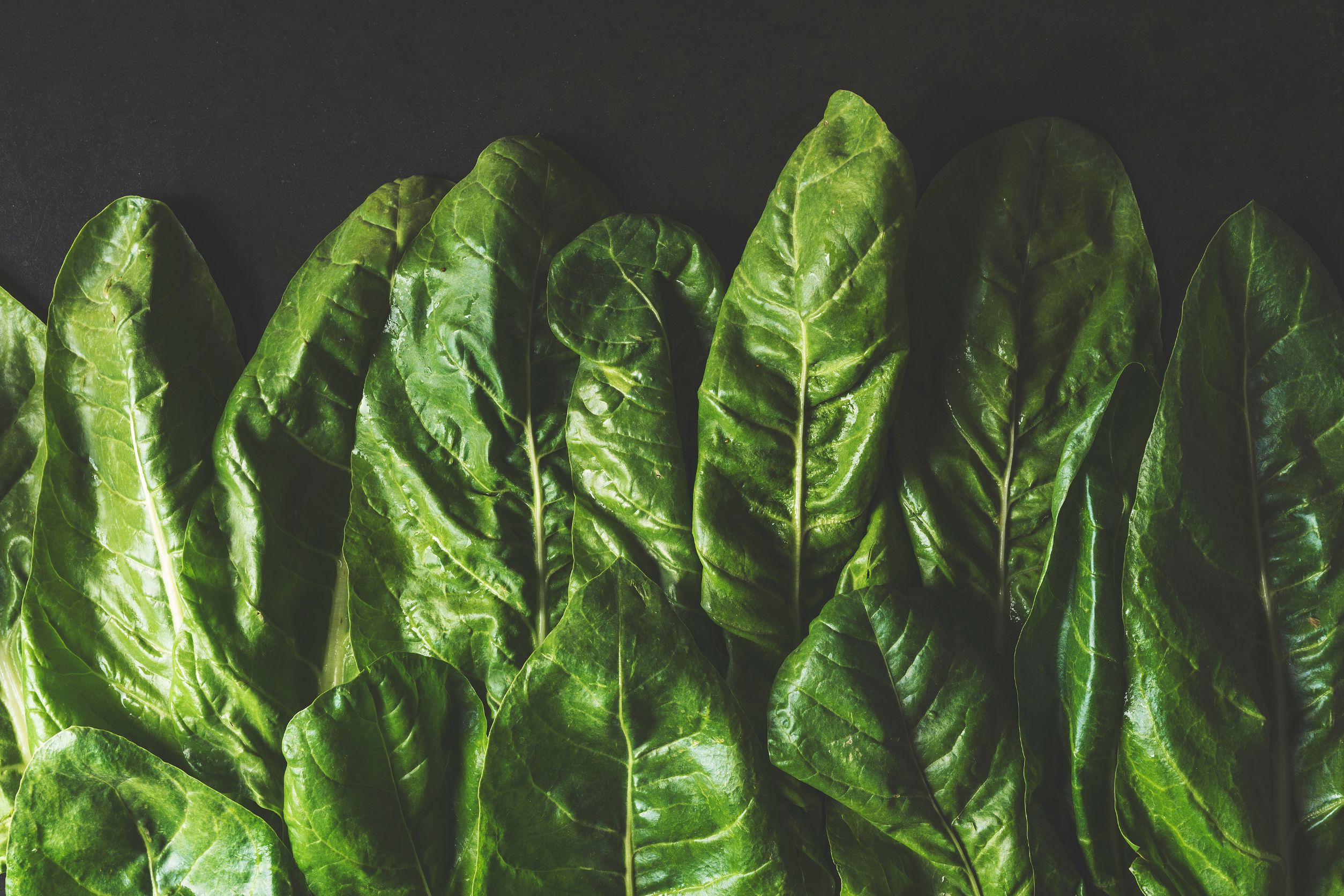
perpetual spinach
Image Source: Canva

The weather has been up and down lately. One moment, it’s freezing cold; the next, there’s a mini-heatwave. It makes me glad that I didn’t bother to plant too much in pursuit of a fall and winter harvest. A few carrot and beet tops are peeking out of the ground; the zinnias are still in full bloom (everyone asks about them — they’re genuinely the best annual flower!), there’s still chard growing in one patch, and the perpetual spinach I planted in the spring looks AMAZING.

What’s Perpetual Spinach?

Although it looks and tastes like spinach, it’s actually a relative of beets and chard. While I enjoy beet tops occasionally and love the vibrancy of multi-colored chard, spinach has a distinct flavor that I love to include in a variety of dishes.

Unfortunately, it is a pain in the neck to grow in the spring unless you plant it early enough. Planting early means having some way of heating the soil (e.g., hoop tunnels). Since I don’t, I need to plant spinach as soon as the ground warms, which can sometimes be as late as May. In recent years, the soil warms up later and later, and the summer rides in without notice. The sudden heat this year left me with spinach that bolted in seedling form. I didn’t even get to harvest a single leaf.

Planting in the fall is possible, but sudden heat waves can also ruin the party for spinach lovers. Is there a way for frugal gardeners to enjoy it without having to invest in crop protection accessories or make the extra effort to protect seedlings from the heat? There is, indeed! If you’ve ever had trouble growing spinach, consider its perpetual cousin.

My Experience With Perpetual Spinach
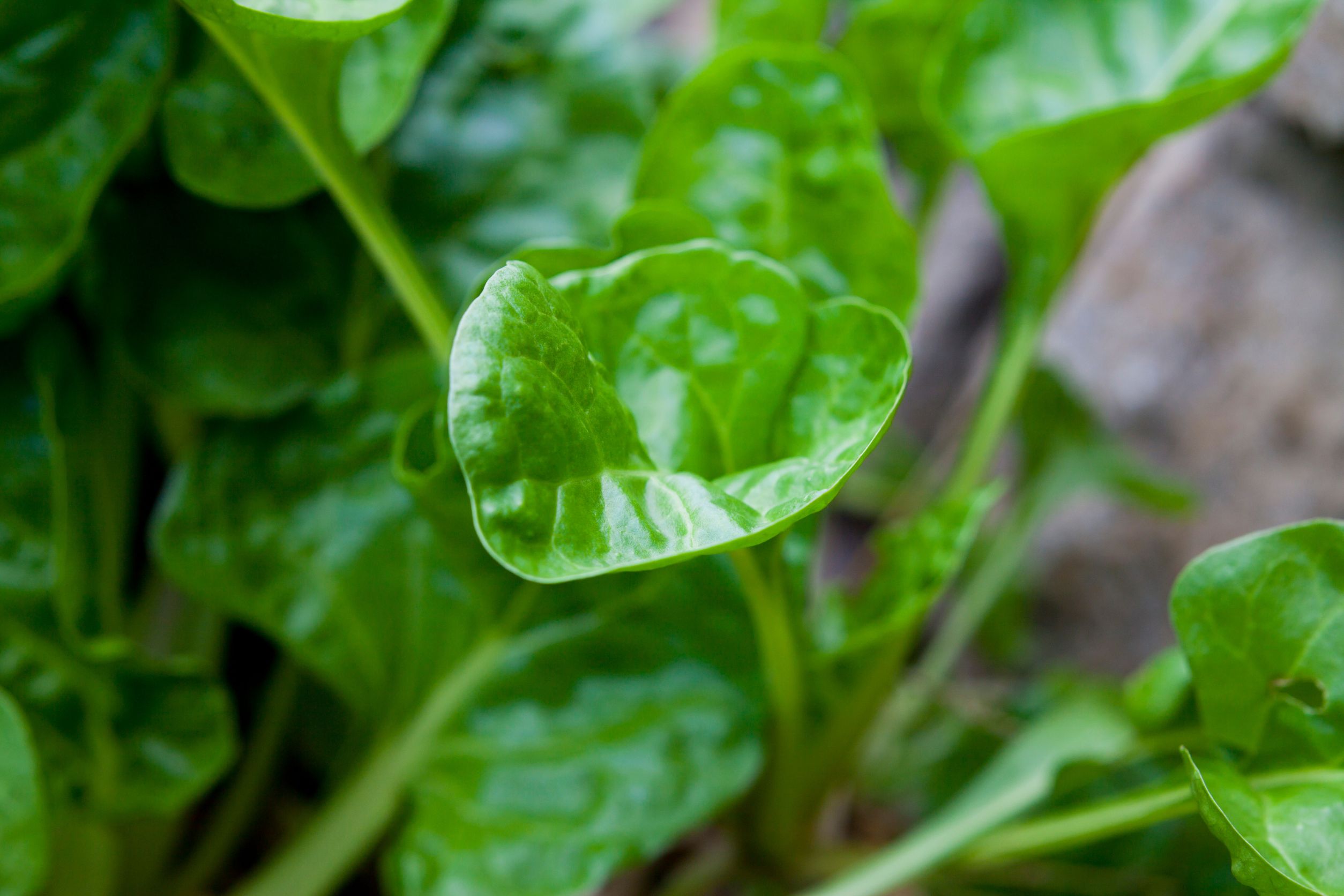
Image Source: Canva

I planted perpetual spinach in the late spring, expecting it to bolt as quickly as the rest of my spinach, and watched as the leaves unfurled and grew without shooting out seed stalks. Curious, I left the leafy greens alone and mostly forgot that they were even there since they were partially hidden by the bean bushes nearby.

At the height of the summer, the leaves yellowed slightly, and the plants wilted, though they didn’t die off completely. I considered pulling the crop, but thankfully, my hesitation caused me to leave the plants. I’m glad I stepped away. In the last few weeks, the chillier weather seems to have given the spinach a whole new lease on life. The plants are bigger than ever before and are a beautiful bright green. Better yet, no pests seem to have taken an interest. I expect the cut-and-come-again crop will last well into the fall and maybe a few weeks into winter.

I highly recommend planting this pseudo-spinach in your garden. It’s definitely making the regular rotation in mine!

Photograph of Steph Coelho.
Steph Coelho

Steph Coelho is a freelance writer gardening in zone 5b. She is a certified Square Foot Gardener and has taught various garden-related workshops. When she’s not digging in the dirt or writing, she’s cooking up fresh produce, running, or listening to her favorite podcasts.

Filed Under: garden tips Tagged With: gardening tips, green vegetables, leafy greens, perpetual spinach, spinach

Previous Post: « What Is The Best Soil For Container Gardening?
Next Post: Gardening 101: Everything You Need to Start Your First Garden »

Reader Interactions

Leave a Reply Cancel reply

Your email address will not be published. Required fields are marked *

Primary Sidebar

Struggling to get your garden off the ground? Put those days behind you with our special starter kit – perfect for thrifty green thumbs everywhere. Get growing and add a splash of color today!

Popular Posts

  • usda free seeds websiteHow To Get Free Seeds From The Government by Amanda Blankenship Seeds might seem like a small expense, but any seasoned…
  • Enviro Ice On PlantsShould I Use Enviro Ice On My Plants? by Kathryn Vercillo Every week, I receive food from Hungryroot. It's a great…
  • is shredded paper good for the gardenFrom Trash to Treasure: Transform Shredded Paper Into Garden Gold by Amanda Blankenship Should you use shredded paper as garden mulch? It might…
  • Enviro IceWhat Happens to Plants If You Use Enviro Ice on Them? by Amanda Blankenship About a year ago, I wrote our first article about…
5 Reasons Tabletop Vegetable Gardens Work Well for Renters

5 Reasons Tabletop Vegetable Gardens Work Well for Renters

A tabletop vegetable garden gives renters a simple way to grow fresh herbs and vegetables without digging up a yard or asking a landlord for major changes. A sunny balcony, patio corner, or even a sturdy outdoor table can become a tiny food-growing station with the right containers and plant choices. Renters often face gardening…

Read More

9 Plants That Add Color Without Needing Constant Deadheading

9 Plants That Add Color Without Needing Constant Deadheading

A colorful garden does not need to become a part-time job with endless snipping sessions. These nine plants bring bold flowers, interesting textures, and long-lasting color while letting gardeners spend more time enjoying the view and less time chasing faded blooms. Deadheading has its place, especially for certain annuals and perennials, but many plants naturally…

Read More

6 Ways to Stop Squirrels From Digging Up Containers

6 Ways to Stop Squirrels From Digging Up Containers

Squirrels can turn a beautiful container garden into a daily excavation project. Fresh potting mix feels soft, easy to dig, and surprisingly attractive to curious squirrels searching for buried nuts or looking for a convenient place to stash new ones. The great news is that container gardens rarely need drastic solutions. A few smart changes…

Read More

5 Ways to Revive Soil That Has Turned Hard and Crusty

5 Ways to Revive Soil That Has Turned Hard and Crusty

Nothing spoils gardening excitement faster than a patch of soil that feels more like concrete than earth. Hard, crusty soil blocks water, limits air movement, and makes it difficult for roots to spread, leaving vegetables, flowers, and shrubs struggling long before summer reaches its hottest days. Luckily, lifeless ground rarely stays that way forever. A…

Read More

  • About
  • Contact Us
  • Garden Frugally
  • Buy These
  • Our Editorial Commitment
  • Navigation Menu: Social Icons

    • Facebook
    • Pinterest
    • Twitter
  • Facebook
  • Pinterest
  • Twitter

Copyright © 2026 · Foodie Pro & The Genesis Framework