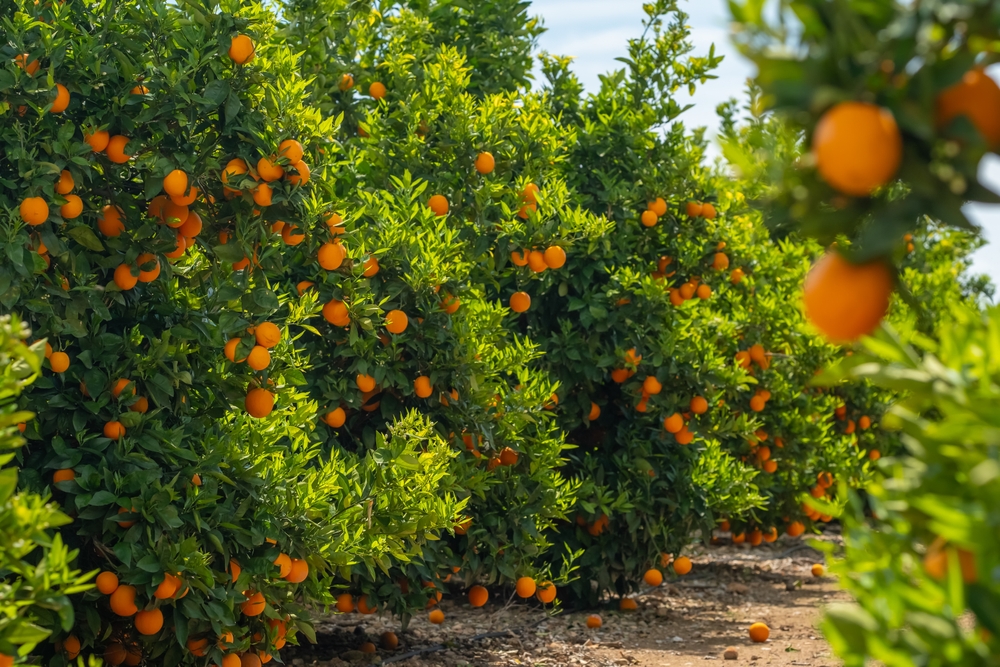
The first frost of November can feel like a sneak attack. One moment your citrus trees are soaking up the last golden touches of fall sunshine, and the next they’re shivering under a layer of icy white. Citrus trees may look tough, vibrant, and sun-loving, but when temperatures dip, they suddenly become the horticultural equivalent of someone who forgot to bring a jacket to a snowstorm. And if you’ve ever woken up to find once-glossy leaves curled and dropping like confetti, you know exactly how heartbreaking frost damage can be.
The good news? With a little preparation, planning, and creativity, your citrus trees can survive even a harsh November freeze—and come out next spring strong, fragrant, and bursting with new growth.
Understanding Why Frost Hurts Citrus Trees
Citrus trees are warm-weather plants that are built for sunshine, not ice. When freezing temperatures hit, the water inside their cells expands, causing damage that leads to leaf drop, branch dieback, and sometimes root damage. Even mature trees that look robust can be vulnerable because citrus wood doesn’t insulate as well as trees adapted to colder climates. Younger trees are even more fragile, with less stored energy and thinner bark to protect them. Understanding why frost harms your citrus helps you make better choices to shield them before temperatures fall.
Choosing The Right Varieties Makes Survival Easier
Not all citrus types are equally sensitive to cold, so choosing varieties that tolerate lower temperatures is a strategic move. Meyer lemons, Satsuma mandarins, and kumquats are known for surviving chillier nights better than limes or standard oranges. If you live somewhere that regularly dips below freezing, planting hardier varieties saves you stress down the road. But even “cold-tolerant” doesn’t mean “invincible,” so they still need your help during extreme frost. Think of it as choosing a plant that’s willing to work with you rather than fight the climate every step of the way.
Move Container Trees Indoors or into Sheltered Spaces
If your citrus trees live in containers, you’re already halfway ahead of the cold-weather game. When frost is forecasted, simply roll or carry them into a garage, shed, greenhouse, or even a brightly lit room inside the house. Just make sure wherever you move them has some light and isn’t sealed off like a cave—citrus still needs air circulation and a little sunshine. Container citrus tends to handle temporary indoor stays well, as long as you don’t overwater them during this adjustment period. Mobility is your best defense, so if you plan to grow citrus long-term in a cold climate, pots are your friend.
Wrap Outdoor Citrus Trees to Help Them Retain Heat
Outdoor citrus trees need insulation and wrapping them properly can be the difference between thriving and freezing. Start by covering the trunk and main branches with frost cloth, burlap, or even old sheets—never plastic directly against the tree. Secure the covering so cold air can’t creep in but leave enough room for the tree to breathe. For extra warmth, place stakes around the tree to create a tent-like structure and drape additional cloth over the top. The goal is to trap heat from the soil and prevent frost from settling directly on leaves and branches.
Use Heat Sources Wisely and Safely
When temperatures drop into the danger zone, outdoor citrus trees may need more than just a cover. Gardeners often use holiday lights, but the old-school kind that generate a little warmth—not modern LEDs. Wrap the lights loosely around the tree under the frost cloth to warm the air around it without overheating. Some people use outdoor-safe heaters or water barrels that slowly release heat overnight. Just remember safety comes first, so keep anything electrical dry and stable, and never leave open flames near plants or coverings.
Water And Mulch Before the Freeze Arrives
It sounds counterintuitive, but watering citrus before a cold snap actually helps protect the roots. Moist soil absorbs and retains more heat than dry soil, creating a mini heat reservoir beneath the tree. After watering, add a thick layer of mulch around the base, but not touching the trunk, to hold that warmth in. Mulch also protects shallow feeder roots that are essential for the tree’s long-term health. Think of it as giving your tree a warm blanket before bed.
Avoid Pruning Until After The Danger Has Passed
When frost damage occurs, the instinct may be to grab the pruning shears and remove the sad, wilted leaves and twigs. Resist this urge. Damaged leaves and branches actually protect the living tissue beneath from further cold injury and sunburn once daylight returns. Wait until spring to see which branches fully recover and which truly need removal. Patience now can save your tree significant stress later.
Pay Attention To Weather Patterns, Not Just Dates
November frost isn’t always predictable, and relying solely on seasonal averages can get you into trouble. Watch nighttime lows closely, especially after clear, dry days when warmth escapes quickly after sunset. Frost warnings can shift within hours, so having supplies ready—cloth, mulch, lights, and supports—makes emergency prep smooth and calm. Each winter teaches you something new about your local microclimate, so take notes after each cold spell. The more you observe, the easier it becomes to anticipate the next frost before it hits.
Your Trees Can Survive If You’re Ready
Citrus trees may look like delicate, sun-loving divas, but with the right care, they can handle colder than most people expect. The key is preparation, awareness, and being willing to act fast when frosty nights arrive. Don’t wait until leaves are already damaged to start protecting your tree—your best defense is always prevention.
Have you tried winter-proofing your citrus before? Share your tips, questions, or cold weather wins and fails in the comments section below.
You May Also Like…
Stop Frost Heave from Killing Young Trees — Here’s the Fix
9 Fruit Trees to Plant Bare-Root in Fall
Why Autumn Is Ideal for Planting Fruit Trees
Why Unharvested Fruit Can Damage Trees in Fall
6 Fruits That Actually Taste Better After a Chill

Brandon Marcus is a staff writer for FrugalGardening.com at District Media, Inc., where he delivers practical gardening advice with a relatable, no-nonsense style. An avid amateur gardener, he holds a BA degree and with over ten years of professional writing experience, he is also an award-winning published author whose first book, Questions For Deep Thinkers, was released by Adams Media. His work has appeared in major publications including Fandom.com, CHUD.com, TheColdWire.com, and Fansided.com.
Leave a Reply