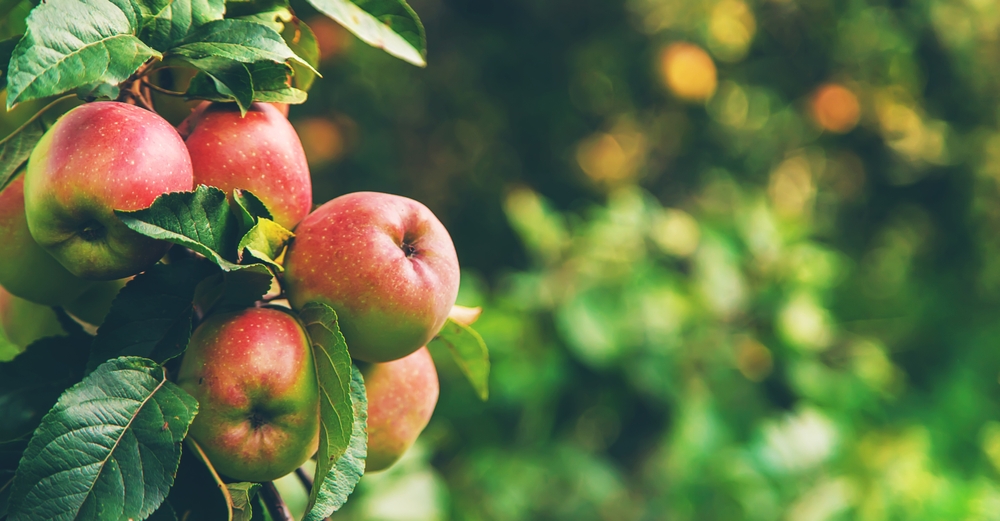
Fall might seem like the time to wind down your gardening, but smart growers know it’s actually the perfect time to start something new—especially if that “something” is a fruit tree. Planting bare-root trees in fall gives them a head start before spring even arrives. With cooler temperatures and moist soil, roots can establish quietly beneath the surface while you sip cocoa and plan your next harvest. When spring bursts onto the scene, those trees wake up ready to grow like they’ve been training all winter. So, grab your gloves, because we’re about to dig into nine fruit trees that thrive when planted bare root in fall.
1. Apple Trees: The Classic Crowd-Pleaser
There’s a reason apple trees top nearly every gardener’s list. They’re hardy, adaptable, and wildly satisfying when that first crisp fruit comes off your own branch. Planting bare-root apple trees in fall allows their roots to anchor before the frost sets in, ensuring strong spring growth. Choose disease-resistant varieties like ‘Honeycrisp,’ ‘Fuji,’ or ‘Liberty’ for a healthier harvest down the line. With the right care and pruning, you’ll have years of pies, cider, and snacking ahead.
2. Pear Trees: Graceful and Generous
Pears may take their sweet time to mature, but once they do, they’re a treasure in any garden. Bare-root pear trees planted in fall love the cool, steady environment for developing sturdy roots. Varieties like ‘Bartlett’ and ‘Bosc’ reward patience with buttery texture and sweet flavor. The key is to plant at least two for cross-pollination—pears prefer a partner in crime. By spring, those tiny buds will hint at the bounty to come, and you’ll be glad you gave them a head start.
3. Cherry Trees: Sweet, Tart, and Totally Worth It
Few sights rival a cherry tree in full bloom—it’s like nature’s confetti before the fruit even shows up. Fall planting gives cherries the cool downtime they need to prepare for their first big growth spurt. Sweet varieties like ‘Bing’ and ‘Rainier’ love sunny spots, while tart types like ‘Montmorency’ are perfect for baking. Bare-root planting reduces transplant shock, helping your young tree settle in faster. Come summer, you’ll be the envy of every bird (and neighbor) within a five-block radius.
4. Peach Trees: Sunshine on a Branch
If summer had a flavor, it would be a fresh peach—juicy, fragrant, and just a little messy. Bare-root peach trees thrive when planted in fall because their roots can stretch and strengthen before the heat of summer hits. Choose self-pollinating varieties like ‘Elberta’ or ‘Redhaven’ for easy care and dependable harvests. They love full sun and well-drained soil, so pick their spot wisely. With a little pruning and patience, you’ll be swimming in fuzzy golden goodness before you know it.
5. Plum Trees: Underrated and Unforgettable
Plum trees don’t get the attention they deserve, but those who grow them know they’re the quiet champions of the orchard. Planting them bare-root in fall allows their roots to get cozy before winter dormancy. Varieties like ‘Santa Rosa’ and ‘Satsuma’ bring a blend of sweetness and tang that’s perfect for fresh eating or preserves. They also add a gorgeous splash of spring color to your garden, making them both functional and ornamental. Give them room to breathe, and they’ll reward you with fruit that rivals any store-bought variety.

6. Fig Trees: The Exotic Overachiever
Figs feel fancy, but they’re actually quite tough once established. Bare-root fig trees settle in beautifully during fall, giving them a head start for lush spring growth. Varieties like ‘Brown Turkey’ and ‘Celeste’ thrive in mild climates and can even handle a bit of chill. Figs love sunshine and warmth, but fall planting helps them build endurance before summer’s heat wave. Once they mature, you’ll have fruit that’s rich, honey-sweet, and far fresher than anything you’ll ever find at the grocery store.
7. Apricot Trees: Early Bloomers with Big Rewards
Apricots are the eager beavers of the fruit world—they bloom early, fruit fast, and deliver a candy-sweet taste that screams summer. By planting bare-root apricots in fall, you give them time to build strong roots before their early spring show. Look for hardy varieties like ‘Moorpark’ or ‘Tilton’ that can handle a bit of frost. These trees adore full sun and dry, well-drained soil, so avoid soggy spots. The payoff? Golden-orange fruit that turns every bite into a little celebration.
8. Pomegranate Trees: Bold, Beautiful, and Surprisingly Tough
Pomegranates might look exotic, but don’t let that fool you—they’re survivors. Bare-root pomegranate trees appreciate fall planting because it allows them to focus on root growth before producing their famously jewel-like fruit. Varieties like ‘Wonderful’ or ‘Angel Red’ thrive in sunny, dry locations and reward patience with gorgeous blossoms and antioxidant-rich rewards. The best part? They’re drought-tolerant once established, making them ideal for low-maintenance gardeners. With their sculptural branches and vibrant fruit, pomegranates are as decorative as they are delicious.
9. Nectarine Trees: Peaches’ Smooth-Skinned Cousin
Nectarines are often overshadowed by peaches, but they pack the same sweet, juicy flavor with a little extra sophistication. Bare-root nectarine trees planted in fall establish quickly and set the stage for a beautiful bloom come spring. Choose varieties like ‘Fantasia’ or ‘Sunred’ for reliable crops and strong disease resistance. They prefer full sun, moderate watering, and a bit of annual pruning to stay in top shape. In a few short seasons, you’ll be plucking perfect, smooth-skinned fruit straight from the branch.
Plant Now, Feast Later
Planting bare-root fruit trees in fall is one of the best decisions a gardener can make. It’s like setting up next year’s success story before winter even begins. These trees may look humble when they arrive—just sticks with roots—but they’re full of promise waiting to unfold. As they rest through the colder months, they’re secretly preparing for a spring explosion of life, color, and flavor.
What fruit trees are you planning to plant this season? Share your favorites, your successes, or even your challenges in the comments below.
You May Also Like…
Why Autumn Is Ideal for Planting Fruit Trees
Indoor Avocado Plant Care Made Easy: Tips for Thriving Avocado Trees at Home
6 Gardening Shortcuts That Only Work in Autumn
Why Overripe Fruits Invite More Fall Pests
6 Fruits That Actually Taste Better After a Chill

Brandon Marcus is a staff writer for FrugalGardening.com at District Media, Inc., where he delivers practical gardening advice with a relatable, no-nonsense style. An avid amateur gardener, he holds a BA degree and with over ten years of professional writing experience, he is also an award-winning published author whose first book, Questions For Deep Thinkers, was released by Adams Media. His work has appeared in major publications including Fandom.com, CHUD.com, TheColdWire.com, and Fansided.com.
Leave a Reply