Autumn is often seen as the season when nature starts winding down, getting ready for the quiet of winter. But while leaves are falling and mornings turn crisp, something remarkable is happening in gardens, meadows, and even roadside ditches. Pollinators—bees, butterflies, moths, beetles, and even hummingbirds—are in a race against time. They’re searching for the last available nectar sources before the cold months settle in.
And believe it or not, the flowers they choose aren’t random at all—they’re guided by instinct, evolutionary history, and a very particular set of preferences.
Color Matters More Than You Think
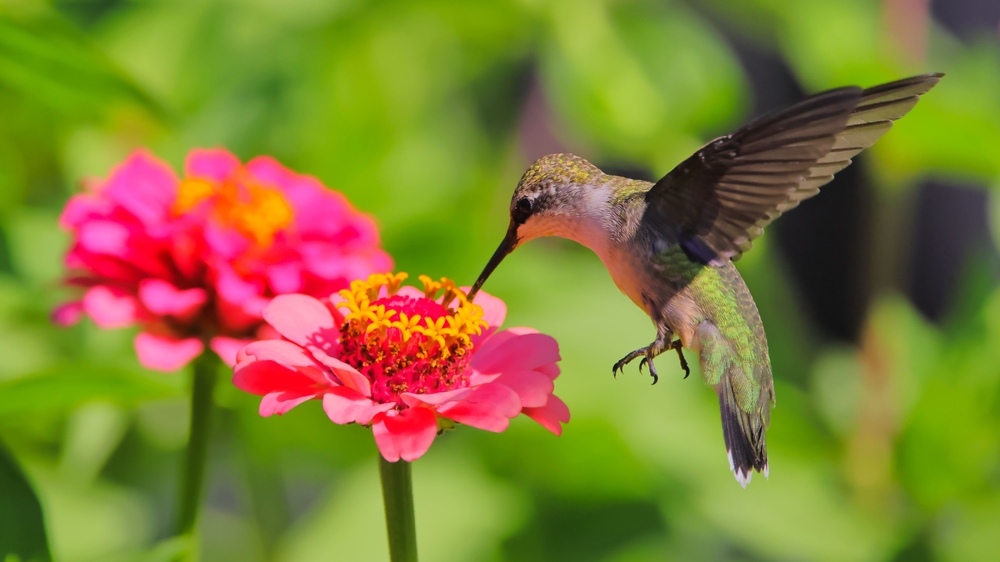
Autumn pollinators have excellent visual senses, and color plays a huge role in which flowers they visit. Bees, for instance, see in the ultraviolet spectrum, which makes certain blossoms glow like neon signs. Bright yellows and purples are especially important as summer ends, since many autumn wildflowers bloom in these hues. Butterflies, on the other hand, are drawn to bold reds and oranges, pairing beautifully with fall’s natural palette. Even hummingbirds, with their rapid wingbeats and keen eyesight, rely on the visual “pop” of blossoms to locate the richest food sources quickly.
Scent Is A Silent Invitation
When the days grow shorter and temperatures drop, floral scent becomes even more essential. Pollinators rely on fragrance to detect flowers from a distance, especially when blooms are fewer and more widely spaced than in summer. Some plants produce stronger scents late in the season specifically to attract insects who are rushing to gather the last energy reserves they need. For nocturnal pollinators like moths, scent is the primary guiding signal in the dark. A flower’s aroma can communicate not just its presence, but also the richness of its nectar reward.
Shape Determines Who Can Feed
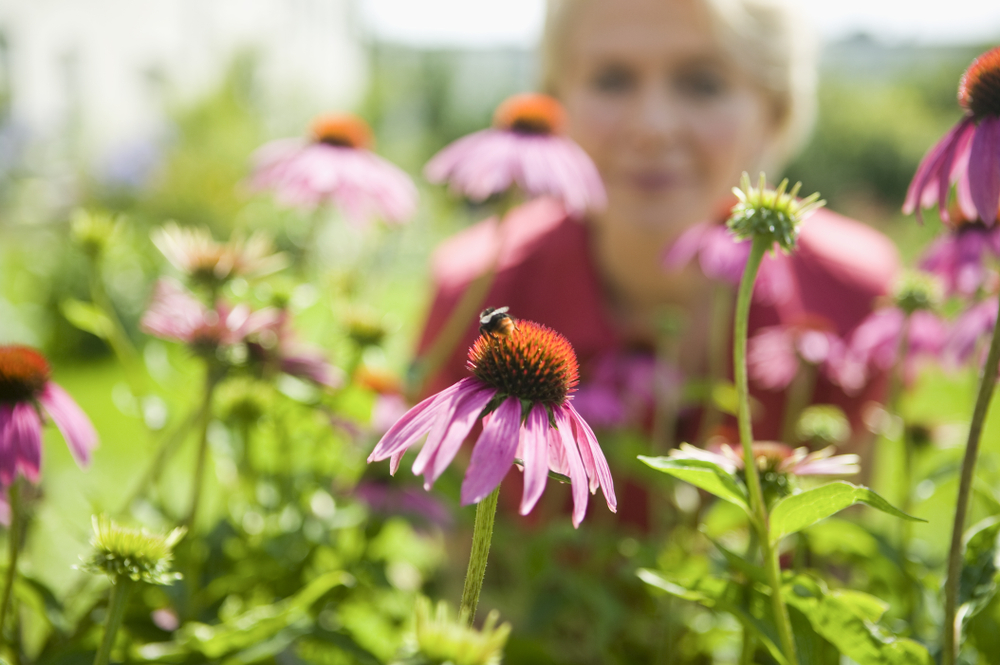
The shape of a flower can either welcome or exclude certain pollinators. Long tubular flowers cater to butterflies and hummingbirds, who have specialized tongues designed to reach deep nectar. Meanwhile, open daisy-like blooms are ideal for bees and beetles who prefer landing pads and shallow access. In autumn, when energy efficiency is critical, pollinators are unlikely to waste time on flowers they can’t feed from efficiently. This natural match-making ensures that the right pollinator finds the right floral design to sustain both species.
Nectar Quality and Quantity Shift with the Season
As the season changes, plants adjust the concentration of nectar to match pollinator needs. Cooler temperatures can cause nectar to thicken, making it richer and more energy-dense—a major win for migrating butterflies and hummingbirds. Flowers blooming in autumn tend to produce more sugar-heavy nectar because pollinators need intense caloric boosts. This also explains why late-bloomers like asters and goldenrods are so vital to the fall ecosystem. A tiny sip of autumn nectar can be worth twice as much as spring nectar in terms of survival energy.
Location Affects Accessibility
Pollinators are smart strategists when it comes to conserving their own stamina. Rather than zigzagging across large distances, they’ll often stick to patches of flowers that provide consistent food with minimal travel. Gardens with clusters of the same flower species become feeding hubs in the fall. Meadows with layered bloom levels—from ground-hugging clover to taller goldenrod—allow different pollinators to feed without competition. Even roadsides and abandoned fields become crucial feeding corridors when wildflowers flourish late into the season.
Weather Changes Influence Foraging Behavior
Autumn weather patterns have a major impact on how and when pollinators search for flowers. Cooler mornings may delay their activity until the sun warms the air. Sudden rainstorms can wash away valuable pollen, forcing pollinators to work even harder when conditions are right. Wind can make flight expensive, so many pollinators prioritize flowers that offer easy landing and feeding positions. Timing becomes everything, and pollinators learn quickly to take advantage of every warm, still moment available.
Some Flowers Strategically Bloom Late Just for Them
Certain flower species evolved specifically to bloom in autumn because it reduces competition and ensures loyal pollinators. These late bloomers become essential lifelines, providing the final seasonal feast before winter scarcity. Their colors are often more vivid, their scents richer, and their nectar denser than spring or summer flowers. The partnership between autumn flowers and pollinators is a perfect example of ecological balance in action. Both plant and pollinator depend heavily on the other in the final stretch of the growing season.
Why This Matters More Than Ever
Pollinators already face intense challenges—from habitat loss to rising temperatures—and autumn is one of the most vulnerable periods in their annual cycle. Without late-season flowers, many species simply wouldn’t survive the winter or migration. Gardeners and land stewards who intentionally plant fall blooms can make a significant difference in pollinator health. Every aster patch, coneflower cluster, and goldenrod stand becomes a tiny sanctuary. The choices we make in our gardens can either help or hinder an entire ecosystem’s resilience.
The Hidden Symphony of Autumn Pollination
Autumn pollination isn’t just a gentle closing act to summer—it’s a brilliant, high-stakes rush for survival. Every flower that blooms and every pollinator that feeds participate in a finely tuned seasonal dance. Observing these choices helps us understand the intelligence and intricacy of nature’s timing. The more we support autumn bloomers, the more we support the creatures who carry our ecosystems forward.
Have you noticed pollinators visiting fall flowers where you live? Share your thoughts, stories, or questions in the comments below.
You May Also Like…
How Late-Season Pollinators Depend on Your Garden
9 Plants That Attract Pollinators in the Cool Months
How to Make Your Garden Pollinator-Friendly Without Buying a Single Bee House
12 Soil Problems Fixed Best in Autumn
12 Native Plants That Establish Best in Autumn

Brandon Marcus is a staff writer for FrugalGardening.com at District Media, Inc., where he delivers practical gardening advice with a relatable, no-nonsense style. An avid amateur gardener, he holds a BA degree and with over ten years of professional writing experience, he is also an award-winning published author whose first book, Questions For Deep Thinkers, was released by Adams Media. His work has appeared in major publications including Fandom.com, CHUD.com, TheColdWire.com, and Fansided.com.
Leave a Reply