
There’s something magical about fall—the crisp air, the crunch of leaves underfoot, and the smell of rain drifting through the breeze. It’s the season of sweaters, pumpkin-spiced everything, and, believe it or not, the perfect time to start collecting rainwater. If you’ve been putting off setting up a rain barrel or diving into water conservation, autumn practically rolls out a red carpet for you.
The temperatures are milder, the storms are gentler, and nature itself seems to be giving you a friendly nudge to get started. Here’s why fall is secretly the MVP season for rainwater collection—and why you’ll wonder why you didn’t start sooner.
Cooler Weather Means Less Evaporation
Let’s start with the science: cooler air means water sticks around longer. During summer, the sun is relentless, evaporating water before you can even put it to good use. In fall, though, the cooler temperatures and shorter days mean that every drop you collect lingers in your barrels instead of vanishing into thin air. That translates to less waste and more reward for your efforts. You’ll find your tanks staying fuller for longer periods, which makes your entire system more efficient without extra work on your end.
Seasonal Rainfall Is Consistent and Manageable
Fall rain isn’t usually the dramatic, flood-inducing kind you see in spring or summer. It’s gentler, steadier, and far easier to manage for collection purposes. This means your gutters and barrels can capture it smoothly without overflowing or clogging as easily. For anyone new to rainwater collection, that’s a huge advantage—it’s like learning to surf on smaller, friendlier waves before tackling the big ones. With steady fall rain, your barrels fill predictably, helping you get into a comfortable rhythm before harsher weather arrives.
Less Heat, Less Algae
Warm weather and sunlight are like an open invitation for algae to turn your beautiful, collected rainwater into a murky science experiment. Thankfully, fall puts a stop to that nonsense. With reduced sunlight and cooler conditions, algae growth slows dramatically. This means the water you collect stays clearer and cleaner for longer, requiring less maintenance. You’ll spend less time scrubbing barrels and more time actually enjoying the benefits of your eco-friendly setup.
Fallen Leaves Can Actually Help
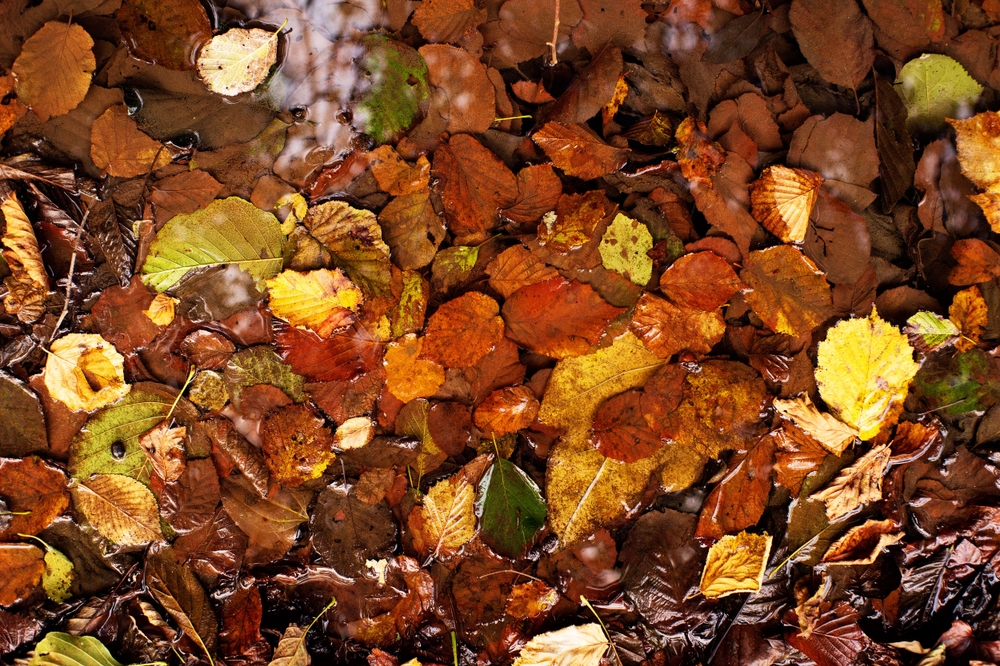
Yes, leaves can clog gutters—but if you plan smartly, they can also be your secret weapon. Fallen leaves act as natural compost, and with a good filtration system in place, small amounts can add nutrients to the water you use for gardening. Plus, the process of cleaning gutters in the fall—before heavy winter rain or snow—ensures your setup is in top shape. You’ll be clearing debris anyway, so it’s the perfect opportunity to get your collection system running smoothly. Think of it as seasonal multitasking that pays off all year long.
Plants Need Less Water—But You Still Need Supply
Here’s the irony: your garden’s thirst goes down in fall, but your rainwater collection potential goes up. That creates the perfect window to store extra water for the dry months ahead. Since your outdoor plants won’t demand as much hydration, you can focus on filling your tanks and barrels without constantly drawing them down. Come spring, when new growth kicks in, you’ll have a reserve ready to go—saving both money and resources. It’s like nature’s way of helping you stock up while the going’s good.
Easier Setup and Maintenance
Nobody enjoys tinkering with hoses, filters, and barrels in the scorching heat or freezing cold. Fall offers the ideal middle ground—comfortable weather for outdoor projects without the sweat or frostbite. You can easily inspect your roof, clean gutters, and position your barrels without battling summer sun or winter chills. The ground is softer from light rain, making installation smoother, and your system gets a good test run before the more intense weather hits. It’s the perfect DIY season for anyone looking to start strong.
Fewer Bugs, Fewer Headaches
Insects, especially mosquitoes, love standing water in warm weather. But once temperatures drop, their activity slows down dramatically. This means your rain barrels are far less likely to become accidental breeding grounds. With fewer bugs buzzing around your setup, maintenance becomes cleaner and simpler. Fall gives you a rare chance to fine-tune your rainwater collection system in peace—no bug spray required.
Gutters Are in Their Prime Condition
By fall, most homeowners are already cleaning out gutters in preparation for winter. That makes it the perfect time to connect your downspouts to a collection barrel or storage tank. Clean, unclogged gutters ensure that every drop of rainfall flows smoothly into your system instead of spilling over the sides. Once the setup is done, you’ll have a fully optimized system that’s ready to capture the season’s best rain. It’s a win-win: a tidy home exterior and a head start on sustainable water collection.
It’s a Great Time to Build Sustainable Habits
Fall has this quiet, reflective energy—it’s the season of reset. People reorganize their homes, prepare for the holidays, and naturally think about routines they can carry into the new year. Adding rainwater collection to your fall checklist fits right into that mindset. You’ll start small, maybe with a single barrel, and soon find yourself inspired to expand, filter, and even integrate irrigation systems. The habit sticks because fall is all about setting yourself up for long-term comfort and sustainability.
Your Wallet Will Thank You Later
Let’s not forget one of the best perks—saving money. When you start collecting in fall, you’re not just gathering water; you’re building a reserve that can cut down on utility costs in spring and summer. Rainwater is free, abundant, and ideal for watering plants, washing cars, or even cleaning patios. As water rates continue to rise, that stockpile becomes a quiet source of relief. Think of it as investing in your future self—one raindrop at a time.
It’s Good for the Planet—and Feels Good Too
Beyond the practical benefits, collecting rainwater is one of those small eco-friendly acts that genuinely make you feel like you’re doing something right. You’re reducing stormwater runoff, minimizing strain on municipal systems, and conserving a natural resource that often goes underappreciated. There’s a certain satisfaction that comes from watching barrels fill during a gentle fall drizzle—it’s tangible proof that your actions matter. Every time you water your plants from your own collection, you’re reminded that sustainability doesn’t have to be complicated—it can be as simple as catching the rain.
Fall Is the Time to Let It Pour
So, why is rainwater collection easier in fall? Because the season practically hands you the perfect conditions on a silver platter—cool air, steady rainfall, fewer bugs, and extra motivation to prepare for the months ahead. Whether you’re a seasoned gardener or just someone looking to make a small, eco-friendly change, autumn offers the smoothest path to success. It’s easy, it’s efficient, and it’s oddly satisfying.
Have you tried collecting rainwater in the fall? Share your experiences, tips, or success stories in the comments below.
You May Also Like…
5 Soil Amendments That Work Best in Fall Rains
How Mulched Leaves Reduce Soil Erosion
10 Must-Have Gardening Supplies That Won’t Drain Your Wallet
How Fall Rainfall Impacts Soil Compaction
12 Native Plants That Establish Best in Autumn

Brandon Marcus is a staff writer for FrugalGardening.com at District Media, Inc., where he delivers practical gardening advice with a relatable, no-nonsense style. An avid amateur gardener, he holds a BA degree and with over ten years of professional writing experience, he is also an award-winning published author whose first book, Questions For Deep Thinkers, was released by Adams Media. His work has appeared in major publications including Fandom.com, CHUD.com, TheColdWire.com, and Fansided.com.
Leave a Reply