Autumn isn’t just about pumpkin spice lattes and cozy sweaters—it’s also the golden season for planting. While spring often steals the gardening spotlight, fall quietly offers the perfect conditions for new plants to put down roots and thrive. Cooler temperatures, fewer weeds, and steady moisture levels create an environment that’s practically a growth invitation for native species.
Whether you’re revamping your backyard or adding a splash of color to your landscape, planting native species in fall sets the stage for a lush, resilient garden come spring. Here are 12 native plants that absolutely love to get their start when the leaves start falling.
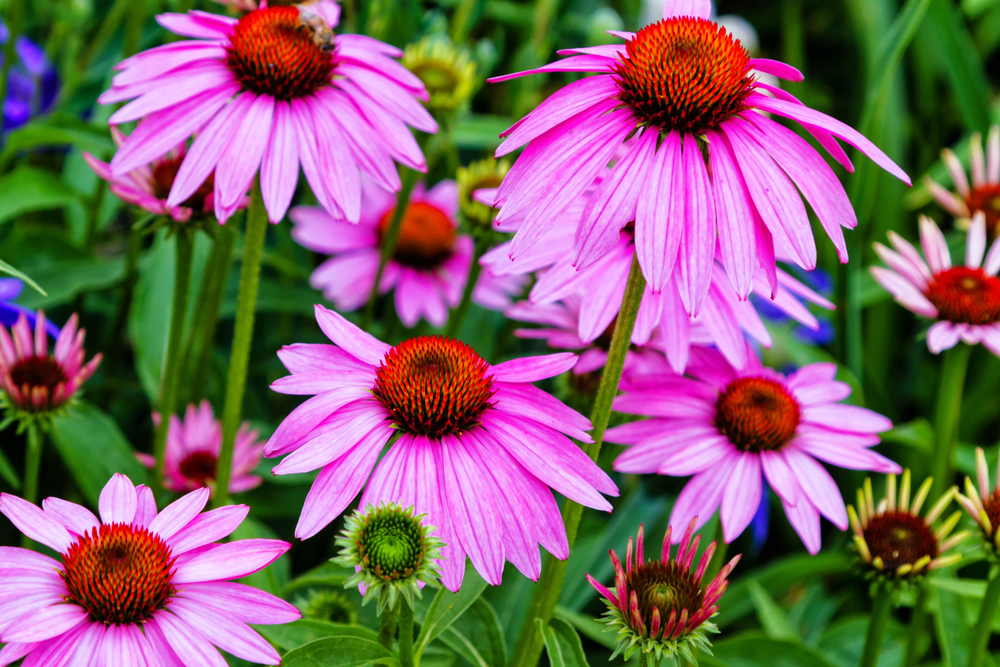
1. Purple Coneflower (Echinacea purpurea)
Few plants say “native beauty” quite like the purple coneflower. With its daisy-like petals and bold magenta color, it draws pollinators from all directions. Planting it in autumn gives the roots time to establish before summer’s heat hits. By spring, you’ll see strong stems and a healthy burst of blooms that last through the season. Plus, it’s drought-tolerant and incredibly low-maintenance—a perfect native all-star.
2. Black-Eyed Susan (Rudbeckia hirta)
Cheerful and iconic, the black-eyed Susan is a native favorite for good reason. These golden blooms are like sunshine on a stem, and fall planting ensures a head start on their deep root systems. They adapt well to most soils, so you don’t need to fuss over the details. By next summer, you’ll have a vibrant sea of yellow attracting butterflies and bees. Bonus: they self-seed easily, so they’ll return year after year with little effort.
3. Wild Bergamot (Monarda fistulosa)
Wild bergamot, or bee balm, is a pollinator magnet that thrives when planted in fall. The cooler season lets its roots spread wide before the frenzy of summer growth. Its lavender-pink blooms add a soft, dreamy touch to prairies or garden beds. You’ll not only enjoy the flowers but also the minty, fragrant foliage that releases a pleasant aroma whenever you brush against it. If you love seeing hummingbirds up close, this is your go-to native.
4. Butterfly Milkweed (Asclepias tuberosa)
If you’ve ever wanted to create a Monarch butterfly haven, butterfly milkweed is non-negotiable. Planting in autumn allows it to settle in before the migration season, ensuring it’s ready to support caterpillars next year. Its fiery orange flowers make a stunning statement and thrive in poor, well-drained soils. This native doesn’t need pampering—it prefers tough love. The fall planting window helps it beat the spring rush and establish deep, drought-resistant roots.
5. Little Bluestem (Schizachyrium scoparium)
For a plant that adds both texture and motion to your landscape, little bluestem is unbeatable. Its blue-green blades turn copper-red in fall, blending beautifully with autumn tones. Planting it now gives it time to form strong root systems that can withstand both heat and wind. By spring, it stands tall and graceful, perfect for meadows, slopes, or naturalized borders. It’s tough, beautiful, and requires almost no maintenance once established.
6. Eastern Red Columbine (Aquilegia canadensis)
Delicate and whimsical, the Eastern red columbine is a showstopper that thrives when planted in cool autumn soil. Its nodding, red-and-yellow blooms attract hummingbirds before most other flowers even open in spring. Fall planting gives it a quiet period to establish and guarantees a strong show when warm weather returns. It’s adaptable to shade and partial sun, making it great for woodland gardens or shady corners. Plus, it reseeds naturally, creating a charming, ever-expanding display.
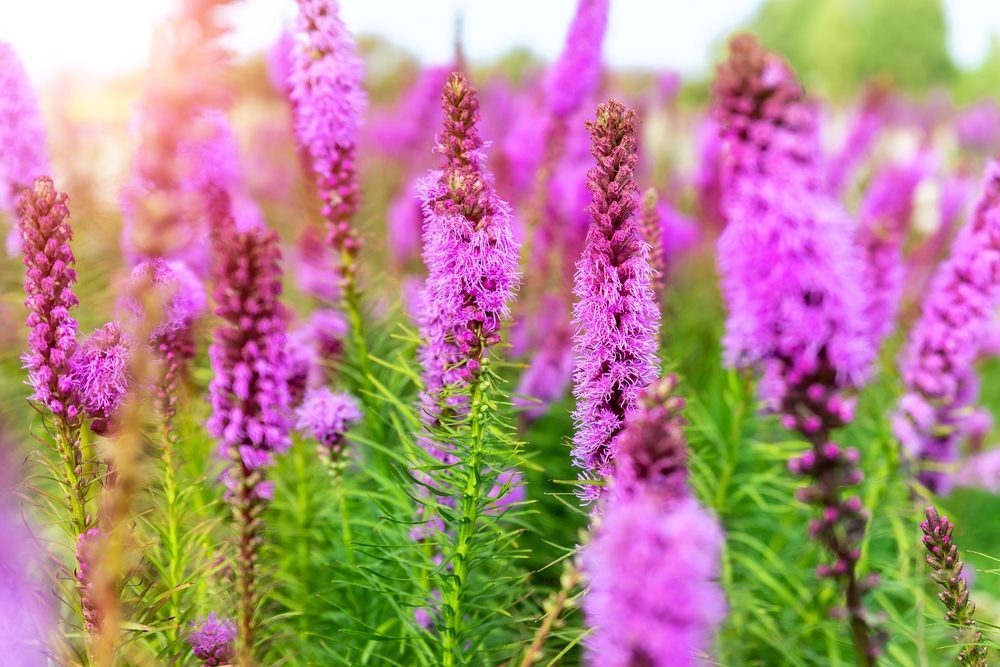
7. Blazing Star (Liatris spicata)
The blazing star, or gayfeather, is a vertical burst of purple that turns any garden into a pollinator paradise. Its spike-like blooms make a dramatic statement, and fall planting helps the corms (bulb-like roots) settle before winter. Come summer, butterflies will be swarming the flower spikes, adding even more life to your landscape. This plant loves full sun and well-drained soil, thriving with minimal care. If you want height, texture, and color all in one, blazing star delivers.
8. Wild Lupine (Lupinus perennis)
Wild lupine is both beautiful and ecologically vital—it’s the host plant for the endangered Karner blue butterfly. Autumn is the ideal time to sow its seeds or plant young starts since the cold helps trigger germination. By spring, the plant emerges with lush, silvery-green foliage followed by striking blue-purple blooms. It prefers sandy or well-drained soils and doesn’t need fertilizer to thrive. If you want a native plant that’s as good for wildlife as it is for aesthetics, wild lupine is a winner.
9. Joe-Pye Weed (Eutrochium purpureum)
Despite its name, Joe-Pye weed is anything but weedy. Its tall stature and dusky pink flowers bring elegance to rain gardens and borders alike. Planting in fall helps it establish its roots deep into moist soils, ensuring it’s ready to tower proudly next summer. Bees and butterflies absolutely love it, often crowding around the blossoms in midseason. It’s a native classic that adds structure and height without demanding much in return.
10. New England Aster (Symphyotrichum novae-angliae)
As summer fades, New England aster steps in to keep your garden colorful. Its purple petals and golden centers attract pollinators right up until frost. By planting it in autumn, you give the roots time to anchor, making it more resilient against heat and dry spells. It grows best in sunny spots and pairs beautifully with goldenrod for a natural late-season display. Few plants bridge the gap between summer and fall as gracefully as this one.
11. Prairie Dropseed (Sporobolus heterolepis)
Prairie dropseed is the unsung hero of native grasses. When planted in autumn, it quietly establishes an impressive root network that can reach several feet deep. By the following year, you’ll enjoy its fine, airy texture and sweet, almost popcorn-like scent when it blooms. It’s ideal for low-maintenance landscapes or erosion control on slopes. Its graceful movement in the breeze adds a soft, romantic feel to any native planting.
12. Cardinal Flower (Lobelia cardinalis)
If you want a plant that demands attention, the cardinal flower delivers with its vivid scarlet spikes. Fall planting ensures it’s ready to take off come spring, as its roots prefer cool, moist soil to establish. Hummingbirds adore it, often hovering around the blooms from dawn to dusk. It’s perfect for rain gardens, pond edges, or any area that stays a bit damp. The cardinal flower proves that native plants can be both tough and breathtakingly bold.
Autumn Is Nature’s Planting Secret
While most people hang up their gardening gloves once the air turns crisp, savvy gardeners know autumn is where the real magic happens. Cooler weather, gentle rains, and fewer weeds give native plants the perfect start. By spring, they’re already rooted, ready to explode with growth and color while others are just waking up. So grab your trowel, get your hands a little dirty, and let nature do the rest.
Which of these native beauties have you tried planting in fall? Share your favorites, stories, and tips in the comments below.
You May Also Like…
How Root Vegetables Store Nutrients Differently in Autumn
4 Reasons to Rethink Planting Non-Native Flowers in Your Yard
12 Ways to Use Pumpkin Scraps in the Garden
9 Fruit Trees to Plant Bare-Root in Fall
7 Flowers That Only Show Their Best Color in Fall

Brandon Marcus is a staff writer for FrugalGardening.com at District Media, Inc., where he delivers practical gardening advice with a relatable, no-nonsense style. An avid amateur gardener, he holds a BA degree and with over ten years of professional writing experience, he is also an award-winning published author whose first book, Questions For Deep Thinkers, was released by Adams Media. His work has appeared in major publications including Fandom.com, CHUD.com, TheColdWire.com, and Fansided.com.
Leave a Reply