You finally did it—your garden exploded with beautiful, healthy veggies, and now your kitchen counters are buried in greens, beans, and corn like a farmer’s market on overdrive. You’re feeling like a homesteading hero until the panic sets in: how do you actually store all this produce before it turns into compost? The answer, my friend, is blanching—your freezer’s best friend and your veggies’ secret weapon.
Blanching might sound like something straight out of a fancy cooking show, but it’s a simple, quick process that locks in color, flavor, and nutrients before freezing. If you’ve never done it before, don’t worry—you’re about to become the frozen-food whisperer of your neighborhood.
1. Green Beans
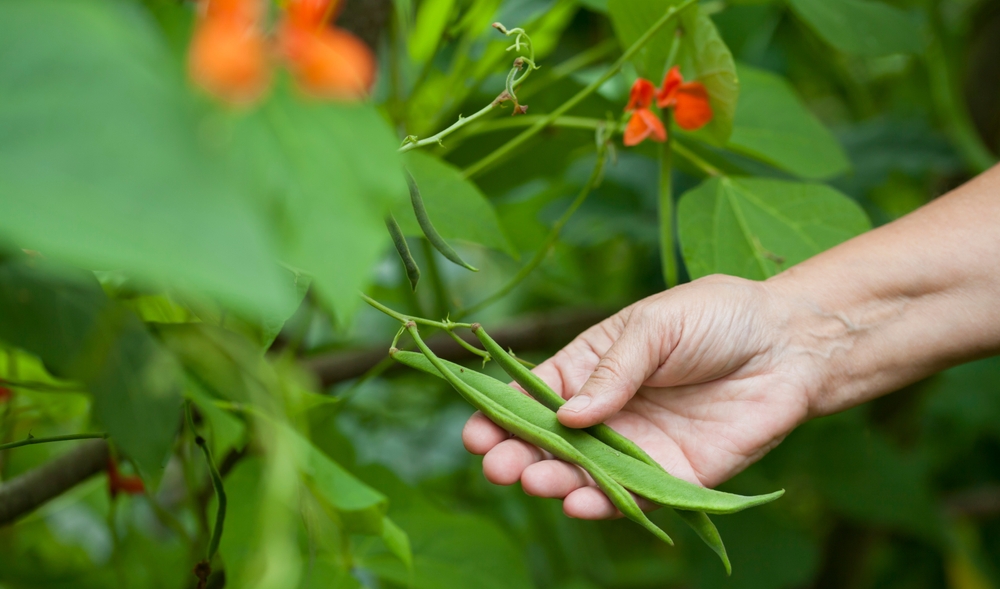
Green beans are a freezer staple, but tossing them in raw is a rookie mistake. Without blanching, they lose that bright green color and crisp texture, turning dull and mushy faster than you can say “dinner’s ruined.” Blanching them for just a few minutes in boiling water stops enzyme activity, which is what causes discoloration and nutrient loss. After that, a quick dunk in ice water locks in their snap and vibrancy. The next time you sauté or steam them, you’ll be rewarded with tender, flavorful beans that taste like summer in a pan.
2. Broccoli
Broccoli seems tough, but it’s surprisingly delicate when frozen raw. Skip the blanching process, and you’ll open your freezer to find yellowed, limp florets that smell faintly like regret. Blanching keeps broccoli’s deep green color, firm bite, and mild, nutty flavor intact for months. Just a short dip in boiling water followed by an ice bath does the trick—it’s like a spa day for your veggies. When you pull them out in January, they’ll taste as fresh as the day you cut them.
3. Corn on the Cob
Corn is one of those vegetables that feels like cheating when you freeze it right. But here’s the secret: blanching the ears before freezing isn’t optional—it’s essential. It stops the natural sugars from converting to starch, which keeps that sweet, golden flavor alive and kicking. Blanching also makes it easier to cut kernels off the cob if you want to store them loose. When winter rolls around and you need a taste of summer sunshine, your blanched corn will make every meal a little brighter.
4. Peas
Fresh peas are magical, but they also spoil faster than almost any crop. That’s where blanching comes in like a superhero in a saucepan. A quick boil—just enough to stop the aging enzymes—keeps them tasting garden-fresh for months in the freezer. Skipping blanching leads to dull, wrinkled peas that taste like freezer burn instead of spring sweetness. Blanched peas, on the other hand, pop with color and flavor, making them the perfect addition to soups, stews, and stir-fries all year long.
5. Spinach
Spinach might look fragile, but it holds up beautifully in the freezer if you treat it right. The trick? Blanching it first to preserve its deep color and tender texture. Raw spinach turns slimy and bitter when frozen, but blanched spinach keeps its freshness and flavor locked in. After a brief dip in boiling water, you’ll want to squeeze out the excess liquid before freezing it in small portions. It’s like packing little green power bombs for your smoothies, omelets, and soups.
6. Carrots
Carrots might seem like they could handle the freezer without any special prep—they’re tough, right? Wrong. Freeze them raw, and you’ll end up with watery, flavorless orange sticks that have lost their crunch. Blanching stops the enzymes that cause this breakdown, keeping their flavor bright and their texture crisp. Just a quick few minutes in boiling water and then straight into an ice bath, and you’ll have carrots that are ready to shine in stews, stir-fries, or side dishes anytime.
7. Cauliflower
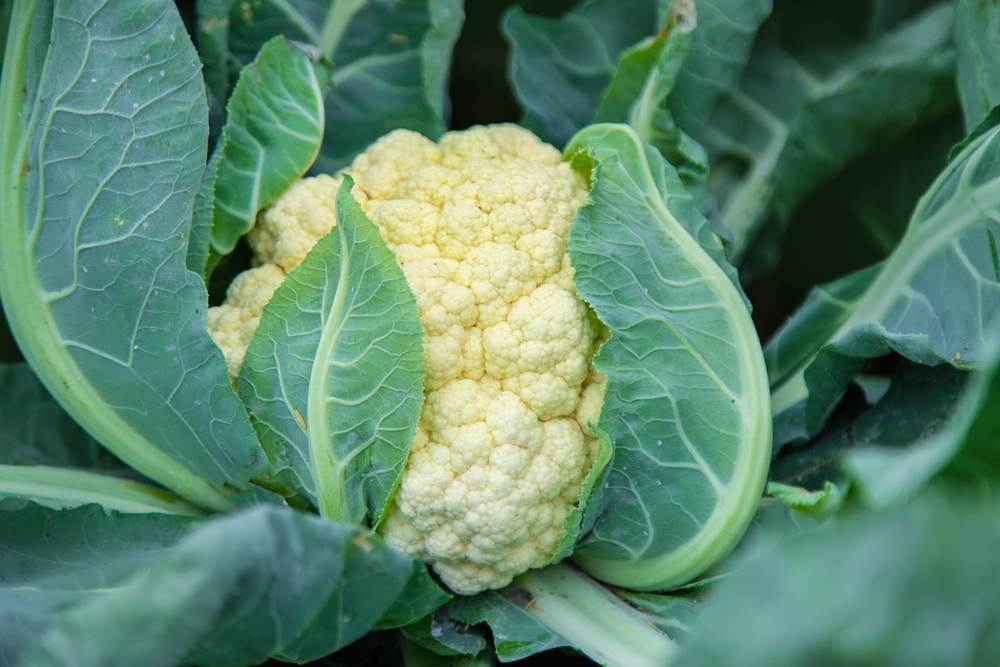
Cauliflower is the unsung hero of the veggie world—it’s versatile, nutritious, and perfect for freezing, if you blanch it first. When frozen raw, cauliflower tends to turn soggy and lose its flavor, which is tragic for such a humble powerhouse. A short blanching session keeps it firm and mild, so it’s ready to roast, mash, or toss into a creamy soup later. You’ll notice that blanching also helps remove any lingering bugs or dirt hiding between florets. The result? Perfectly preserved cauliflower that’s ready for action whenever you are.
Keep It Fresh, Keep It Bright
Blanching isn’t just some old-fashioned kitchen ritual—it’s pure preservation magic. By spending a few extra minutes blanching your vegetables before freezing, you’re locking in their flavor, color, and nutrition for months to come. Whether it’s crisp green beans or tender spinach, the difference between raw-frozen and blanched-frozen is night and day. So, grab your biggest pot, get that water boiling, and start treating your harvest with the respect it deserves.
Have you tried blanching your veggies before freezing? Share your favorite tips, stories, or freezer success tales in the comments below.
You May Also Like…
7 DIY Cold-Weather Garden Covers That Actually Work
8 Seeds That Germinate Better in Cold Soil
How Soil Microbes Shift With Cooler Weather
8 Crops That Should Never Be Left in the Ground Over Winter
7 Native Shrubs to Plant Before the Ground Freezes

Brandon Marcus is a staff writer for FrugalGardening.com at District Media, Inc., where he delivers practical gardening advice with a relatable, no-nonsense style. An avid amateur gardener, he holds a BA degree and with over ten years of professional writing experience, he is also an award-winning published author whose first book, Questions For Deep Thinkers, was released by Adams Media. His work has appeared in major publications including Fandom.com, CHUD.com, TheColdWire.com, and Fansided.com.
Leave a Reply