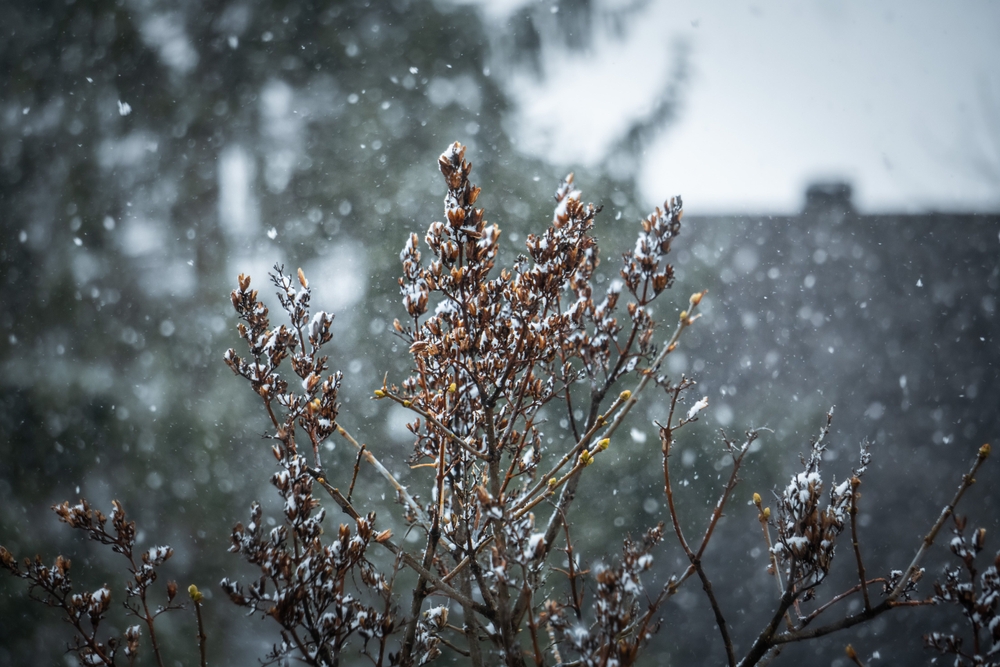
There’s something beautifully rebellious about sowing wildflowers just before winter arrives. While most people are hauling in their patio furniture and winterizing their gardens, you’re out there, hands in the cool soil, planning for next spring’s explosion of color. Scattering wildflower seeds before the snow hits isn’t just poetic—it’s strategic. The cold helps prepare the seeds for germination, ensuring they’ll burst into life when the thaw finally comes.
If you want to wake up to a riot of color after months of gray skies, now’s the time to scatter. Let’s dig into six stunning wildflowers that practically beg to be sown before winter locks in.
1. Black-Eyed Susans: The Bold, Cheerful Rebels
Black-Eyed Susans are like the eternal optimists of the flower world—always standing tall and showing off their sunny, golden petals with that iconic dark center. They thrive in late-sown conditions, settling in comfortably during winter and bursting to life by midsummer. These resilient blooms love full sun and can handle poor soil, which makes them a perfect fit for the “scatter and forget” gardener. Plus, they attract pollinators like butterflies and bees, turning your yard into a buzzing paradise by June.
There’s something delightfully defiant about sowing these golden rebels as frost creeps in, knowing they’ll come roaring back with color and confidence.
2. Coneflowers: The Wild Spirits with Staying Power
If there were a poster child for low-maintenance beauty, coneflowers would win the crown. These sturdy perennials shrug off cold winters, poor soil, and neglect with total grace. They love to be sown just before the freeze, allowing the seeds to experience the cold stratification that helps them germinate stronger. Once they bloom, their pink and purple petals create an effortless meadow vibe that feels straight out of a summer postcard. Even better, their seed heads stick around into winter, offering food for birds and adding texture to snowy landscapes.
3. Lupines: The Drama Queens of Early Summer
Few wildflowers make an entrance quite like lupines. Their tall, elegant spikes of color—ranging from deep violet to soft cream—turn any dull space into a painter’s palette. They prefer to start their journey in the chill of late fall, with snow acting as a natural blanket that helps them settle in. When they bloom, it’s a show-stopping display that looks almost too dramatic to be real.
Lupines don’t just beautify—they also improve the soil, fixing nitrogen and helping future plants thrive. Talk about making an entrance and leaving a legacy.
4. Poppies: The Effortlessly Chic Nomads
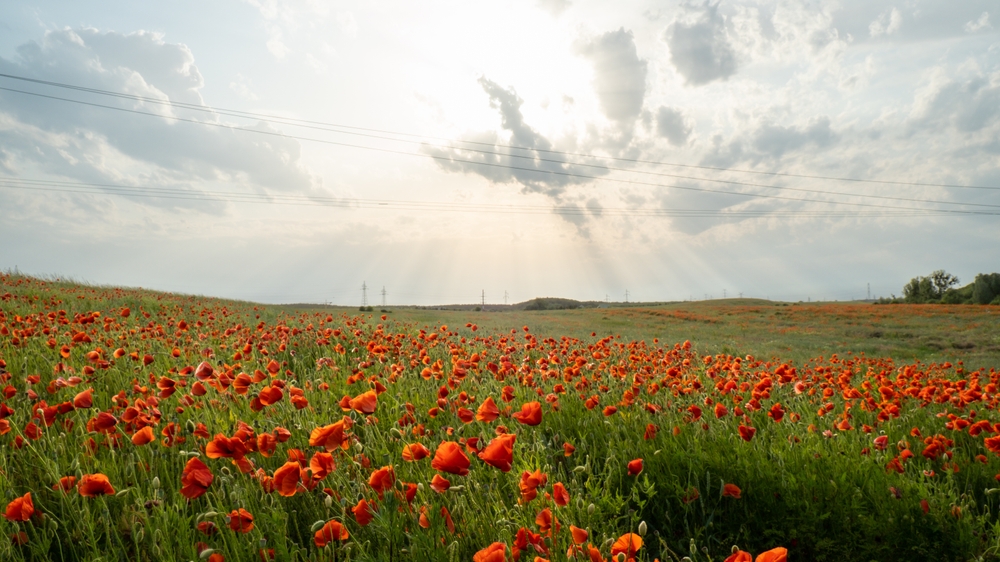
Poppies are proof that effortless beauty doesn’t need perfection. Scatter their tiny seeds before the first snow, and let nature take over—they’ll germinate beautifully after winter’s chill. Come late spring, you’ll have a sea of delicate, paper-like blooms swaying in the breeze, catching sunlight like stained glass. Their fiery reds, oranges, and pinks can transform even the most neglected patch of earth into a jaw-dropping canvas. There’s something romantic about the fact that poppies thrive on chaos—they prefer being tossed into rough soil rather than fussed over in rows.
5. Blanket Flowers: The Hardy Showoffs
If you want a burst of color that refuses to quit, blanket flowers are your go-to. Their fiery petals—blending yellows, reds, and oranges—look like little suns scattered across the landscape. They’re drought-tolerant, cold-resistant, and practically thrive on neglect, which makes them the ideal flower for gardeners who love results but hate constant maintenance.
Scattering them before the snow helps the seeds find their rhythm with the seasons, ensuring strong blooms when warmth returns. When summer hits, your garden will look like it’s been kissed by a thousand sunsets.
6. Wild Bergamot: The Aromatic Powerhouse
Also known as bee balm, wild bergamot is the multitasker every pollinator—and gardener—adores. Its soft lavender blooms are magnets for bees, hummingbirds, and butterflies, bringing your garden to life with motion and color. Sowing it before winter helps the seeds harden up and settle naturally into the soil, ensuring a stronger bloom next year. Not only does it look stunning, but it also fills the air with a spicy, minty fragrance that lingers in the summer breeze. When it finally blooms, it’s the kind of plant that makes you stop and take a deep breath, grateful you had the foresight to sow it months earlier.
Sow Now, Thank Yourself Later
There’s something deeply satisfying about ending the gardening season with a sense of anticipation instead of closure. Scattering wildflower seeds before the snow falls feels a bit like writing a secret letter to spring—you cover it up, walk away, and wait for nature to reply in color. By choosing hardy, cold-loving seeds, you’re setting the stage for a garden that wakes up early and dazzles long into summer. It’s proof that a little faith in nature can lead to some serious floral magic.
Have you tried sowing wildflowers before winter? Share your favorite varieties, stories, or gardening hacks in the comments below.
You May Also Like…
7 Flowers That Only Show Their Best Color in Fall
10 Flowers to Deadhead for Extra Fall Blooms
How Soil Microbes Shift With Cooler Weather
7 Stunning Fall Flowers You Can Grow on a Budget
7 Fall Flowers That Outshine Summer Blooms

Brandon Marcus is a staff writer for FrugalGardening.com at District Media, Inc., where he delivers practical gardening advice with a relatable, no-nonsense style. An avid amateur gardener, he holds a BA degree and with over ten years of professional writing experience, he is also an award-winning published author whose first book, Questions For Deep Thinkers, was released by Adams Media. His work has appeared in major publications including Fandom.com, CHUD.com, TheColdWire.com, and Fansided.com.
Leave a Reply