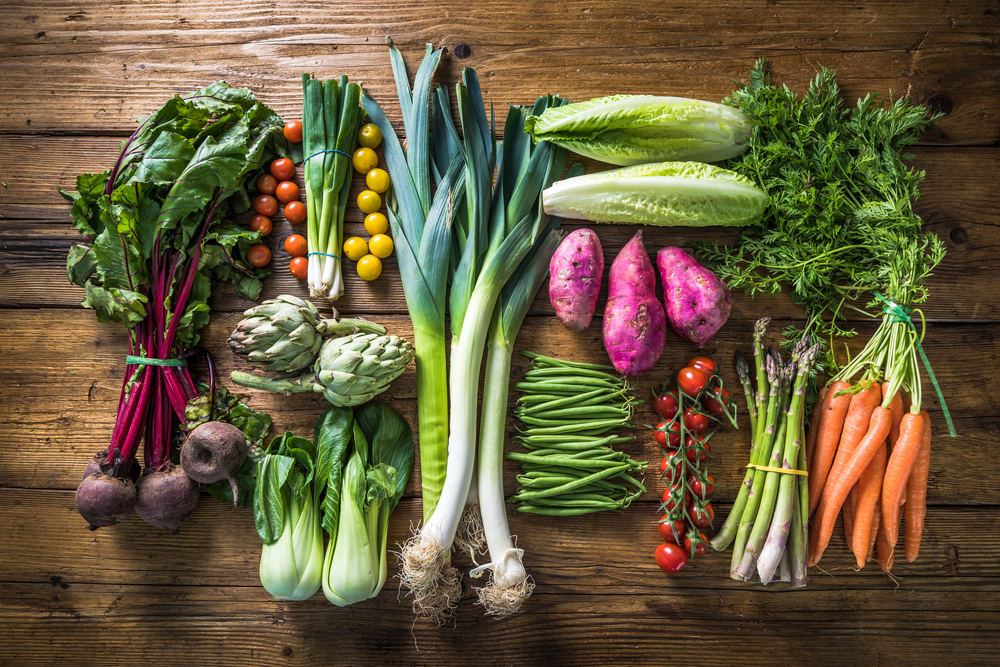
There’s nothing worse than spending weeks nurturing your garden—watering, weeding, and whispering words of encouragement—only to watch your perfect tomatoes turn into mush after one bad harvest day. Bruising doesn’t just ruin your hard work; it speeds up decay, drains flavor, and makes your produce look sad and unloved. Whether you’re picking for a backyard feast or a local market, how you handle your harvest makes all the difference.
The truth? Most bruising happens not in transport or storage, but right there in the field—at the moment of harvest. So grab your baskets and gloves, because these 11 tricks will keep your fruits and veggies looking as flawless as the day they ripened.
1. Harvest at the Right Time of Day
Timing is everything when it comes to harvesting without bruises. Early morning is your best bet—produce is cool, firm, and hydrated, making it less likely to bruise under pressure. Avoid picking during the blazing midday sun when heat softens cell walls and makes fruits more fragile. Evening can work too, but only if the temperatures have cooled. Think of it like this: firm produce equals happy harvests, and the sun can wait its turn.
2. Handle Like You’re Holding Bubbles
The lighter your touch, the longer your produce lasts. Every apple, tomato, and cucumber has its breaking point, and heavy hands can crush delicate tissue in seconds. Cup each fruit gently and avoid stacking or squeezing them, especially if they’re freshly picked and still warm. Remember, just because it looks tough doesn’t mean it can take a beating. Pretend each item is made of glass—because bruising can start long before you see it.
3. Keep Fingernails and Jewelry Out of the Game
That shiny ring or freshly manicured nail might look harmless, but to your produce, it’s a tiny wrecking ball. Even a small nick in the skin opens the door to spoilage and bacterial growth. If you’re serious about protecting your harvest, trim your nails short and skip the jewelry. Gloves are a bonus—they give you better grip and extra cushioning. Your peaches will thank you for keeping the bling in the drawer.
4. Use Soft Containers, Not Hard Buckets
The container you choose matters more than you think. Hard plastic bins or metal buckets might seem durable, but they can bruise produce when items bounce or shift inside. Go for padded or flexible containers—think woven baskets, fabric totes, or soft-sided bins. Line them with cloth or paper towels for extra protection. Gentle rides mean bruise-free produce and way less post-harvest heartbreak.
5. Don’t Overfill Your Baskets
Cramming produce into overflowing baskets is the fastest way to crush your hard work. Weight adds up, and the bottom layers always pay the price. Instead, fill baskets only three-quarters full and make more trips if needed. It may sound tedious, but it saves you from losing half your harvest to pressure bruising. Consider it a workout—gardening with bonus cardio!
6. Pick at Peak Ripeness—Not Before or After
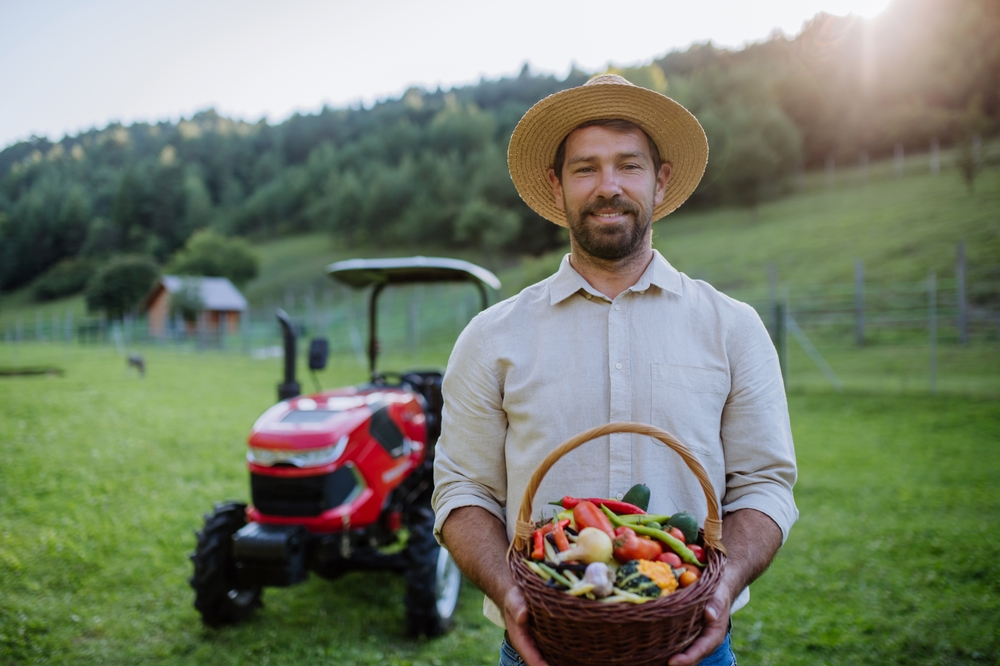
Timing your harvest for ripeness isn’t just about flavor—it’s about durability. Underripe produce tends to resist bruising but lacks taste, while overripe items bruise if you so much as look at them wrong. The sweet spot is when the fruit or vegetable is firm yet mature—its natural texture helps it handle handling. Keep an eye on color, scent, and texture instead of guessing. Once you get the hang of it, your harvest rhythm becomes second nature.
7. Use Two Hands Whenever Possible
This one’s simple but often ignored: two hands are better than one. When you pick with one hand, you’re usually twisting or pulling, which can damage the plant and the produce. Using two hands—one to hold the fruit and one to support the stem—reduces pressure and prevents tearing. It’s a steadier, smoother motion that results in cleaner harvests. Bonus: your plants stay healthier for next time.
8. Cool Produce Quickly After Picking
Heat is a bruising accelerator. When fruits and vegetables stay warm after picking, their cell walls soften and small bumps become big blemishes. The solution? Get them into a cool, shaded area as soon as possible. Even setting your baskets on a shaded table or inside a garage can make a big difference. For larger harvests, a gentle rinse in cool water can lower temperatures fast without damaging the skin.
9. Sort Gently, Don’t Toss or Drop
Sorting can be brutal if you’re in a hurry, but tossing your produce into piles is asking for trouble. Every bounce or drop bruises cells inside the fruit, even if the surface looks fine. Lay produce down instead of dropping it, and always stack heavier items (like squash or potatoes) at the bottom. If you need to sort by size or ripeness, do it on a soft surface like a towel. Treat your veggies like they’re auditioning for a food magazine cover—they deserve it.
10. Avoid Moisture Buildup During Storage
Moisture can make produce slippery and soft, increasing the chance of bruises during storage. After washing or rinsing, make sure everything dries completely before stacking or packing. If you’re storing in bins, add a layer of paper or cloth between items to absorb any condensation. Too much moisture also invites mold and bacteria, which weaken the skin. The drier the storage, the safer your harvest stays.
11. Learn Each Crop’s Personality
Here’s the ultimate harvesting secret: not all produce plays by the same rules. Tomatoes need gentle cradling, apples prefer firm handling, and root vegetables like carrots can take a little more rough-and-tumble. Understanding each crop’s quirks makes you faster, smoother, and far less likely to bruise anything. Spend time experimenting—learn how each plant feels when it’s ready, and how much pressure it can handle. Once you master that, you’ll move through your garden like a pro produce whisperer.
Protect the Fruits of Your Labor
Your harvest represents weeks—or even months—of care, patience, and love. Bruising doesn’t just waste your hard work; it steals the satisfaction of seeing your garden at its best. The key is mindfulness: gentle handling, good timing, and a little preparation go a long way. Each bruise you prevent is another meal that looks and tastes better.
Have any tricks of your own for bruise-free harvesting? Share your stories, advice, or funny garden mishaps in the comments below.
You May Also Like…
- 11 Mistakes Gardeners Make When Storing Produce
- 10 Crops to Harvest Twice if You Plant Them in Fall
- 5 Fall Planting Mistakes That Kill Your Harvest
- Why Autumn Is Ideal for Planting Fruit Trees
- How Fall Rainfall Impacts Soil Compaction

Brandon Marcus is a staff writer for FrugalGardening.com at District Media, Inc., where he delivers practical gardening advice with a relatable, no-nonsense style. An avid amateur gardener, he holds a BA degree and with over ten years of professional writing experience, he is also an award-winning published author whose first book, Questions For Deep Thinkers, was released by Adams Media. His work has appeared in major publications including Fandom.com, CHUD.com, TheColdWire.com, and Fansided.com.
Leave a Reply