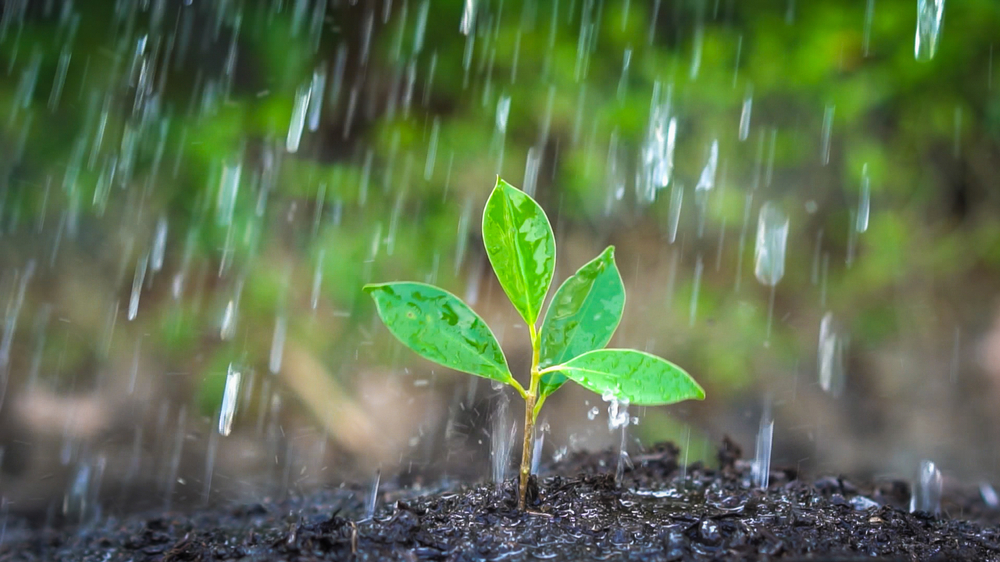
Autumn brings lovely cooler air and falling leaves. But the fall can have implications for your garden, lawn, and crops. Heavier rains reshape the ground beneath them. As fields and lawns absorb moisture, soil particles shift and settle, sometimes locking together too tightly. This phenomenon, known as soil compaction, can limit root growth, block oxygen, and trap water where it’s not needed. For gardeners, farmers, and homeowners alike, understanding how fall rain affects soil structure is key to protecting future growth. You don’t want hardened soil for the season ahead.
1. Rainfall Increases Soil Density When Pores Collapse
When rain soaks the ground, soil pores fill with water, temporarily displacing air. As the moisture drains, heavy soil particles settle closer together. Repeated rainfall and foot traffic during wet periods compress these particles further. The result is dense, oxygen-poor soil that roots struggle to penetrate.
2. Clay and Loam Soils Are Most at Risk
Not all soils respond equally to autumn moisture. Clay soils, with their small particles, are especially prone to compaction under rain. Loam retains water efficiently but can still compress if saturated for too long. On the flip side, sandy soils drain quickly and rarely compact deeply. Identifying your soil type helps determine how cautious you should be when watering during wet months.
3. Rain Timing Matters as Much as Total Volume
A slow, steady drizzle often benefits soil structure by evenly moistening layers. However, short bursts of heavy rainfall create surface sealing and puddling that compact the top few inches. Intense fall storms are increasing in frequency across the Midwest and Northeast due to a number of factors, including climate change. When water pools faster than it drains, surface crusting forms. This is a thin, cement-like layer that hinders germination.
4. Equipment Use on Wet Ground Makes Damage Worse
Driving or walking across soggy soil multiplies compaction effects. Machinery, mowers, and even wheelbarrows can double soil pressure when ground moisture is high. Just one pass of heavy equipment on saturated earth can cut pore space in half. Once compacted, soil may take years to fully recover. Avoiding traffic until the surface dries to a crumbly texture protects long-term structure. If it’s still sticky, it’s not dry enough!
5. Compaction Reduces Drainage and Increases Runoff
Ironically, the more compacted soil becomes, the less it absorbs future rainfall. Water that can’t soak in begins to pool or run off, carrying nutrients away. This cycle worsens erosion and deprives plants of essential minerals. Poor infiltration leads to both water pollution and reduced crop yield. Healthy soil acts like a sponge, while compacted soil acts like concrete.
6. Cover Crops and Mulch Offer Natural Protection
Planting cover crops such as rye or clover helps maintain soil structure through fall and winter. Their roots create channels that improve aeration and absorb excess moisture. Mulching with leaves or straw cushions rainfall impact, reducing surface sealing. It’s a simple solution that can make a big difference.
Healthy Fall Soil Sets Up a Productive Spring
Fall rain is essential for refilling groundwater and hydrating roots, but unmanaged moisture can work against your soil. Recognizing compaction signs, like standing water, hard crusts, or stunted growth, helps catch problems early. Preventing damage is far easier than repairing it later. With careful timing and some adjustments, you can keep your soil resilient and ready for next year’s planting.
Have you noticed your soil hardening after fall rain? Share what methods helped restore it in the comments to guide other gardeners.
You May Also Like…
- Why Mulching Too Early Can Damage Perennials
- 5 Natural Mulches That Protect Roots From Frost
- Why Shorter Days Trigger Better Root Growth
- 12 Garden Chores You Can’t Skip in November
- 11 Mistakes Gardeners Make When Storing Produce

Teri Monroe started her career in communications working for local government and nonprofits. Today, she is a freelance finance and lifestyle writer and small business owner. In her spare time, she loves golfing with her husband, taking her dog Milo on long walks, and playing pickleball with friends.
Leave a Reply