• Skip to primary navigation
  • Skip to main content
  • Skip to primary sidebar

Frugal Gardening

Simple ways to save money while you garden

  • About
  • Contact Us
  • Garden Frugally
  • Buy These
  • Our Editorial Commitment
  • Navigation Menu: Social Icons

    • Facebook
    • Pinterest
    • Twitter

Why Some Bulbs Fail if Planted Too Late in Fall

October 7, 2025 by Teri Monroe Leave a Comment

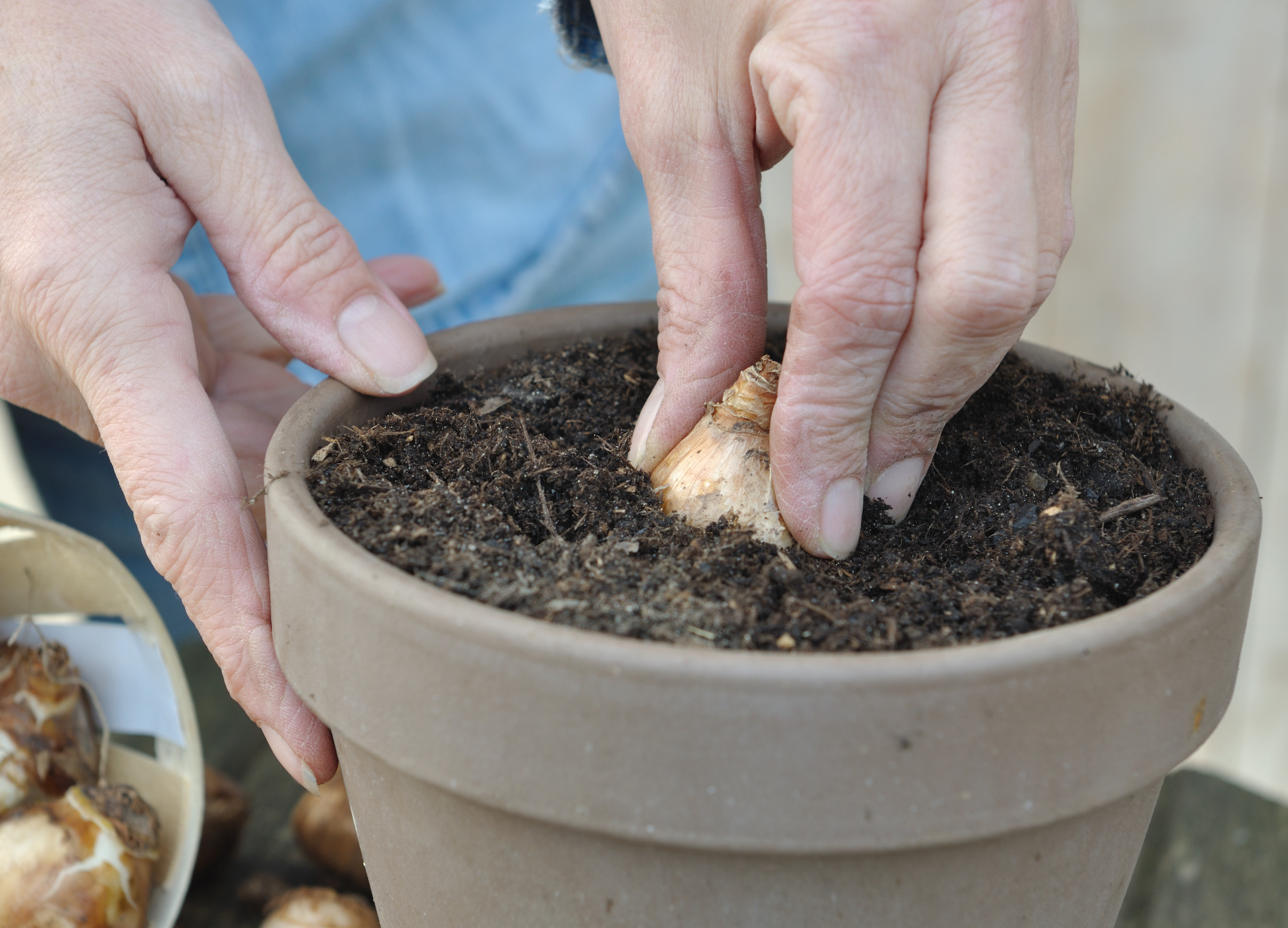
fall bulb planting
Image Source: 123rf.com

As the leaves start to fall, fall bulb planting promises a burst of color come spring. But timing is everything. If the air is getting crisp, you may be running out of time. Many gardeners assume they can plant bulbs right up until the ground freezes, but late planting often dooms bulbs before they ever bloom. Cold, soggy soil, insufficient root time, and unpredictable weather can sabotage even high-quality bulbs. So, what do bulbs actually need? Here we’ll discuss how to successfully plant your bulbs and when to do it.

Bulbs Need Time to Root Before Deep Frost

Flowering bulbs like tulips, daffodils, and crocuses rely on strong root systems to survive winter. If planted too close to the first hard freeze, roots don’t have time to anchor and absorb nutrients. Without established roots, bulbs rot or freeze in place. Most varieties need four to six weeks of soil temperatures consistently above 40°F to settle in. If you plant too late, you may be setting your bulbs up to freeze in the cold.

Soil Temperature Matters More Than the Calendar

Many gardeners focus on dates, but soil temperature is imperative. Every year, seasonal temperatures can change. Bulbs thrive when soil cools to around 50°F, signaling dormancy without risking frost damage. Checking with a simple soil thermometer helps time planting precisely. When soil stays below 40°F, bulb metabolism slows.

Wet Soil Is Trouble

Late fall often brings heavy rains that saturate the ground. Excess moisture suffocates bulbs and invites fungal rot before roots can develop. Once temperatures drop, waterlogged soil freezes solids. This can crush your bulbs. Raised beds, amended soil, and proper drainage give bulbs their best shot. Planting early lets them establish before the worst weather hits.

Some Varieties Handle Cold Better Than Others

Not all bulbs are equally sensitive to late planting. Hardy options like daffodils and alliums tolerate cooler soil, while tulips, hyacinths, and crocuses need more prep time. Pay attention to your region and temperatures. Matching bulb type to local climate ensures survival.

The Dormancy Cycle Gets Disrupted

Bulbs need a specific chilling period to trigger spring blooms. Late planting can shorten that dormancy window, delaying or canceling flowering. Instead of sprouting, some may stay dormant entirely. Even if they emerge, blooms may be weak or uneven. The root stage powers next season’s growth.

How to Save Late Bulbs

If you missed the window, don’t toss bulbs yet. Container planting offers a second chance: place bulbs in pots with well-draining soil, then store them in an unheated garage or shed. Once roots form, transplant in early spring when soil thaws. Alternatively, refrigerate bulbs for 10–12 weeks to mimic winter chill, then plant for a later bloom.

Planting on Time Pays Off in Color

Gardeners who plan ahead enjoy fuller, earlier blooms and fewer losses. Late planting often leads to patchy results. By prioritizing soil readiness over the calendar, you’ll give every bulb a fair shot at glory. Nature rewards preparation more than procrastination.

Have you ever planted bulbs too late and seen disappointing results? Share your experience or favorite planting tips below!

You May Also Like…

  • 5 Fall Weeds You Should Pull Immediately
  • 10 Flowers to Deadhead for Extra Fall Blooms
  • 7 Cover Crops Every Garden Needs This Season
  • 10 Flowers to Deadhead for Extra Fall Blooms
  • How to Spot Perennials That Need Dividing Now

Photograph of Teri Monroe
Teri Monroe

Teri Monroe started her career in communications working for local government and nonprofits. Today, she is a freelance finance and lifestyle writer and small business owner. In her spare time, she loves golfing with her husband, taking her dog Milo on long walks, and playing pickleball with friends.

Filed Under: garden tips Tagged With: fall bulbs, gardening, planting tips, seasonal gardening, soil temperature

Previous Post: « The Science Behind Fall Color Changes in Plants
Next Post: 9 Plants That Attract Pollinators in the Cool Months »

Reader Interactions

Leave a Reply Cancel reply

Your email address will not be published. Required fields are marked *

Primary Sidebar

Struggling to get your garden off the ground? Put those days behind you with our special starter kit – perfect for thrifty green thumbs everywhere. Get growing and add a splash of color today!

Popular Posts

  • usda free seeds websiteHow To Get Free Seeds From The Government by Amanda Blankenship Seeds might seem like a small expense, but any seasoned…
  • Enviro Ice On PlantsShould I Use Enviro Ice On My Plants? by Kathryn Vercillo Every week, I receive food from Hungryroot. It's a great…
  • is shredded paper good for the gardenFrom Trash to Treasure: Transform Shredded Paper Into Garden Gold by Amanda Blankenship Should you use shredded paper as garden mulch? It might…
  • Enviro IceWhat Happens to Plants If You Use Enviro Ice on Them? by Amanda Blankenship About a year ago, I wrote our first article about…
The Summer Gardening Shortcut Retirees Say Saves Them Hours Every Week

The Summer Gardening Shortcut Retirees Say Saves Them Hours Every Week

Summer gardens can feel like a beautiful full-time job disguised as a hobby. Between constant watering, fast-growing weeds, and plants that seem to double in size overnight, many gardeners spend more time maintaining than enjoying. Yet a growing number of retirees have quietly adopted a simple shortcut that changes everything about summer garden care. This…

Read More

7 Backyard Plants Snakes Love to Hide Around

7 Backyard Plants Snakes Love to Hide Around

Backyards often look peaceful on the surface, but certain plants create perfect hiding spots for snakes seeking shade, moisture, and cover. Dense foliage, low ground cover, and tangled growth all provide ideal shelter where snakes can slip in and out unnoticed. Many homeowners plant these greenery favorites for beauty or privacy without realizing they also…

Read More

The 7 Most Heat-Tolerant Plants for Busy Gardeners

The 7 Most Heat-Tolerant Plants for Busy Gardeners

Hot summers can turn a beautiful garden into a daily chore. Constant watering, wilted leaves, and plants that struggle through every heat wave often leave gardeners frustrated and ready to give up. Fortunately, some plants seem to laugh in the face of blazing temperatures while continuing to add color, texture, and life to outdoor spaces….

Read More

The Gardening Trend Millennials and Retirees Suddenly Agree On

The Gardening Trend Millennials and Retirees Suddenly Agree On

Gardening suddenly looks a lot less like rows of endless chores and a lot more like smart, stylish food production at home. Across balconies, backyards, patios, and even tiny apartment corners, people now grow food and flowers in the same compact spaces. Millennials chase convenience, while retirees lean toward comfort and simplicity, yet both groups…

Read More

  • About
  • Contact Us
  • Garden Frugally
  • Buy These
  • Our Editorial Commitment
  • Navigation Menu: Social Icons

    • Facebook
    • Pinterest
    • Twitter
  • Facebook
  • Pinterest
  • Twitter

Copyright © 2026 · Foodie Pro & The Genesis Framework