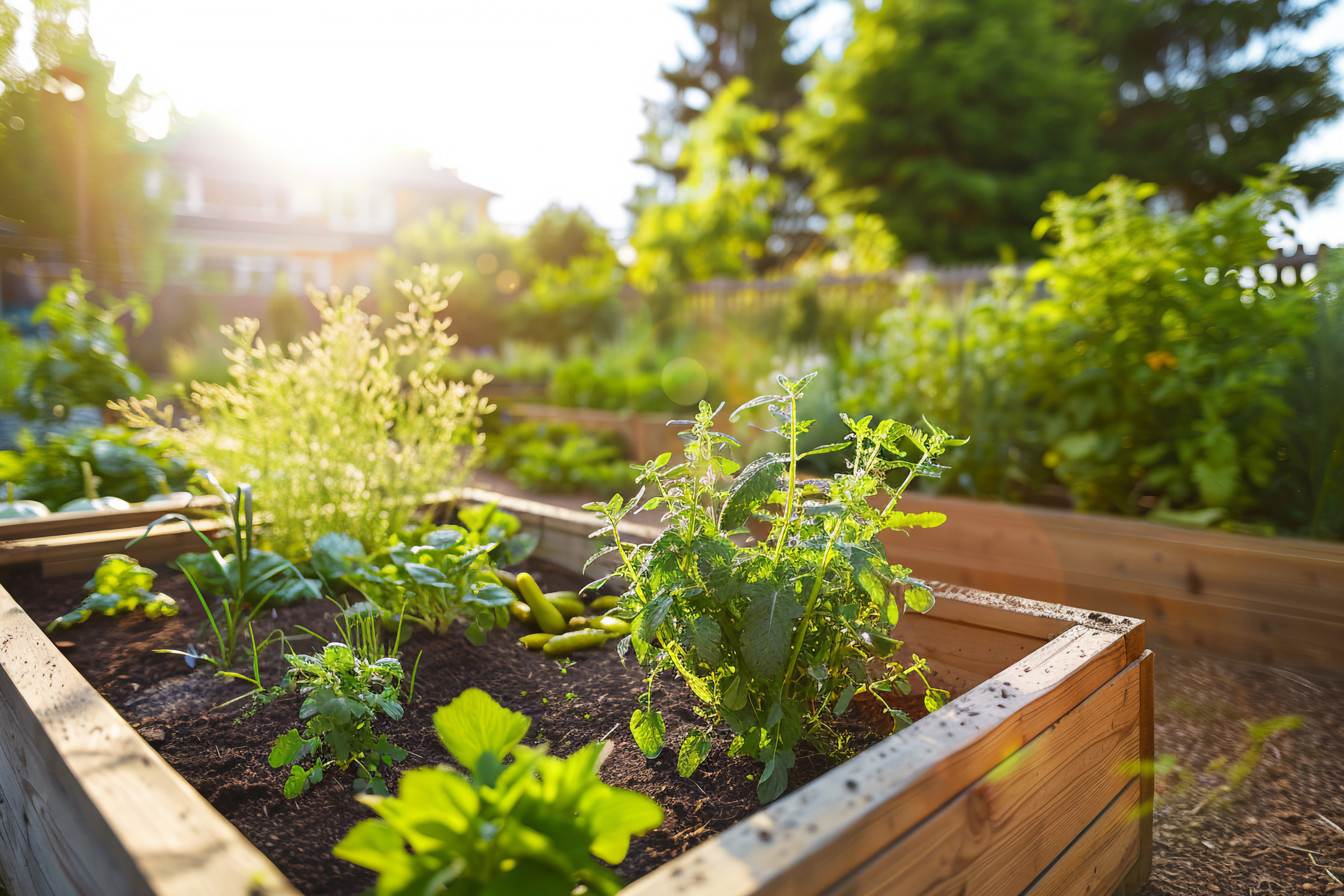
You did it—you built raised beds, filled them with beautiful soil, and imagined endless harvests of juicy tomatoes, crisp lettuce, and cucumbers straight from your own backyard paradise. Raised beds are all the rage these days, and for good reason: they’re tidy, they look great, and they can make gardening easier.
But here’s the catch—those beautiful wooden boxes might not be doing your plants the favors you think they are. In fact, your raised beds could actually be holding your garden back. Ready for some dirt on raised beds?
The Drainage Dilemma
Raised beds are designed to improve drainage, which sounds amazing if your yard has heavy clay soil. But too much drainage can actually leave your plants gasping for water, especially during hot summers. Plants like tomatoes, squash, and peppers need consistent moisture, and a raised bed can dry out much faster than ground soil. That means you’ll find yourself watering far more often than you planned. Over time, inconsistent watering can stress plants and stunt growth.
The Soil Supply Struggle
When you first fill a raised bed, you likely buy bags of compost, topsoil, and maybe even fancy “garden mix” from the local nursery. That’s great in year one, but soil doesn’t magically stay rich forever. Without constant replenishment of organic matter, nutrients deplete quickly in the confined space of a raised bed. Unlike ground soil, which has deep reserves, raised beds run out of “oomph” much faster. If your plants look weak, yellowed, or slow growing, your soil could be the culprit.
The Heat Trap Problem
Here’s something most gardeners don’t consider raised beds heat up way faster than in-ground soil. In spring, that can be great—it means you can plant earlier. But by midsummer, the soil can become scorching hot, cooking roots and stressing plants. Shallow beds are especially guilty of overheating since the sun penetrates the soil more easily. If your lettuce bolts early or your plants wilt even when watered, excess heat might be the hidden villain.
The Root Restriction Reality
Plants like carrots, potatoes, or even pumpkins love to stretch their roots deep into the earth. Raised beds, however, limit root depth—especially if the beds are built shallow or placed on top of hard ground. Restricted root growth means weaker plants, smaller harvests, and a greater dependence on you to provide water and nutrients. Imagine trying to grow a watermelon in a flowerpot—that’s the struggle some plants face in raised beds. Bigger plants often need bigger spaces than raised beds allow.
The Cost Conundrum
Let’s face it—raised beds aren’t cheap. Between the wood, screws, soil, and compost, those “simple” boxes can set you back hundreds of dollars. And since the soil needs constant refreshing, you’ll likely be spending more money every season. Compare that to in-ground gardening, which relies on what you already have and builds fertility naturally over time. Raised beds may look polished and Pinterest-perfect, but your wallet might not be thanking you.
The Critter Invitation
You might think raised beds keep pests away, but sometimes, they do the opposite. Rodents like voles, mice, and even chipmunks see raised beds as a gourmet buffet that’s conveniently lifted right to their level. Plus, wooden frames can attract termites and carpenter ants over time. If you’re not lining the bottom of your beds, burrowing pests can still sneak right in. In other words, raised beds aren’t the pest-free miracle they’re often advertised as.
The Maintenance Marathon
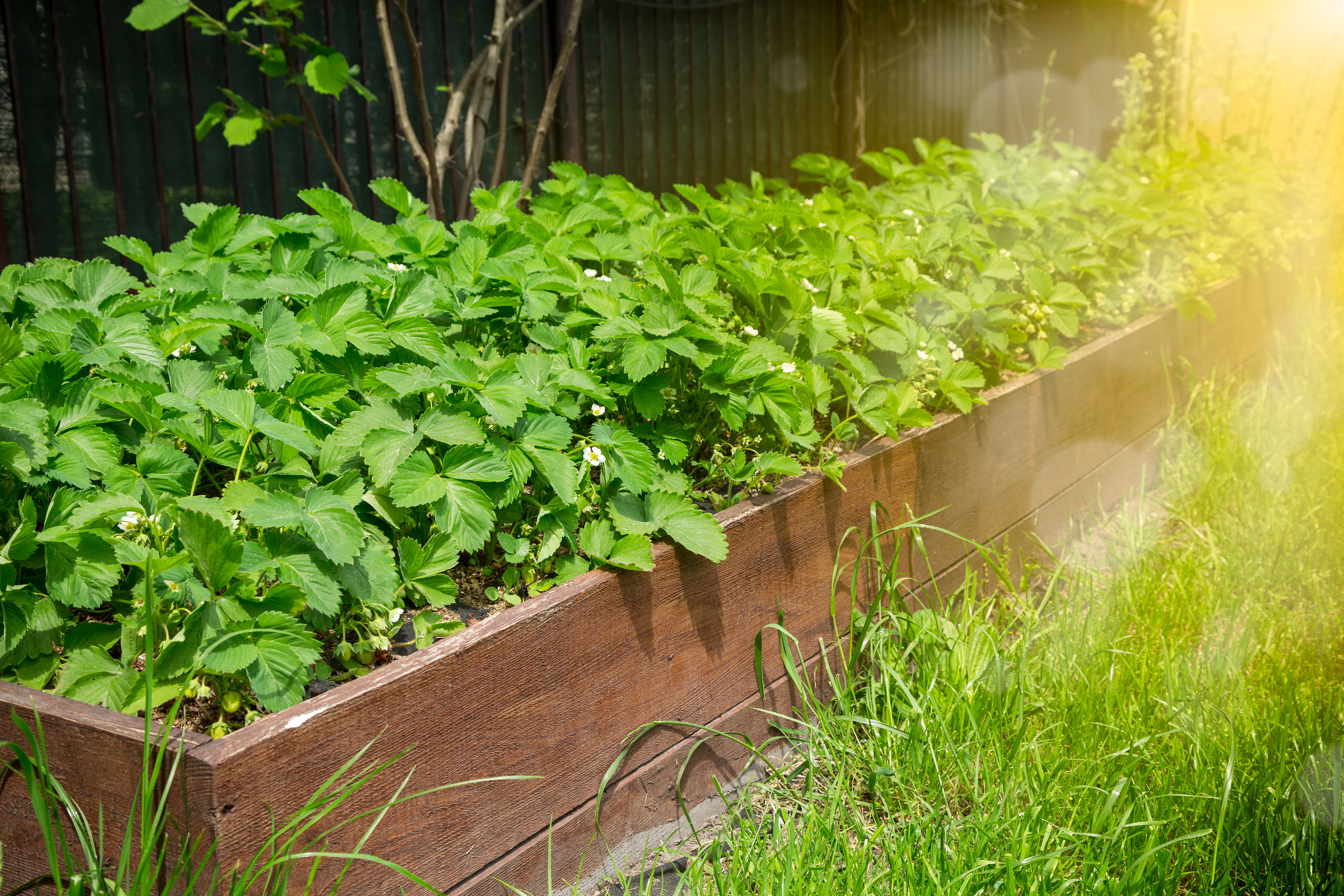
Raised beds look tidy—at least in the first year. But wood rots, soil settles, and weeds creep in around the edges. Suddenly, your sleek garden requires constant fixing, refilling, and repairing. Even if you spring for “rot-resistant” cedar or composite boards, no material lasts forever. In contrast, in-ground gardens evolve naturally with far less maintenance.
The False Security Trap
Perhaps the biggest danger of raised beds is the illusion they create. Gardeners often think, “I’ve got raised beds, so I’m guaranteed success!” But gardening isn’t about the box—it’s about understanding soil, water, and plant needs. Raised beds can hide poor gardening practices and trick you into thinking you’ve solved all your problems. At the end of the day, the plants don’t care about the box—they care about their environment. If that’s lacking, your raised beds won’t save you.
Rethinking the Raised Bed Hype
Raised beds aren’t bad—they’re just not the miracle solution they’re often made out to be. They come with quirks, hidden costs, and challenges that every gardener should know before diving in headfirst. The key is awareness: once you understand the drawbacks, you can adjust your gardening style to get the best of both worlds. So, are raised beds friend or foe in your garden?
Share your stories, frustrations, or victories in the comments below—others would love to hear how raised beds have worked (or not worked) for you.
You May Also Like…
How to Build a Garden That Keeps Deer Out—Without Fencing
The Mulch Trick That Saves Water and Fights Weeds
6 Things You Should Never Plant Next to Each Other
10 Gardening Habits That Are Actually Destroying Your Soil
10 Ways Your Garden Might Be Lowering Your Home’s Appraisal

Brandon Marcus is a staff writer for FrugalGardening.com at District Media, Inc., where he delivers practical gardening advice with a relatable, no-nonsense style. An avid amateur gardener, he holds a BA degree and with over ten years of professional writing experience, he is also an award-winning published author whose first book, Questions For Deep Thinkers, was released by Adams Media. His work has appeared in major publications including Fandom.com, CHUD.com, TheColdWire.com, and Fansided.com.
Leave a Reply