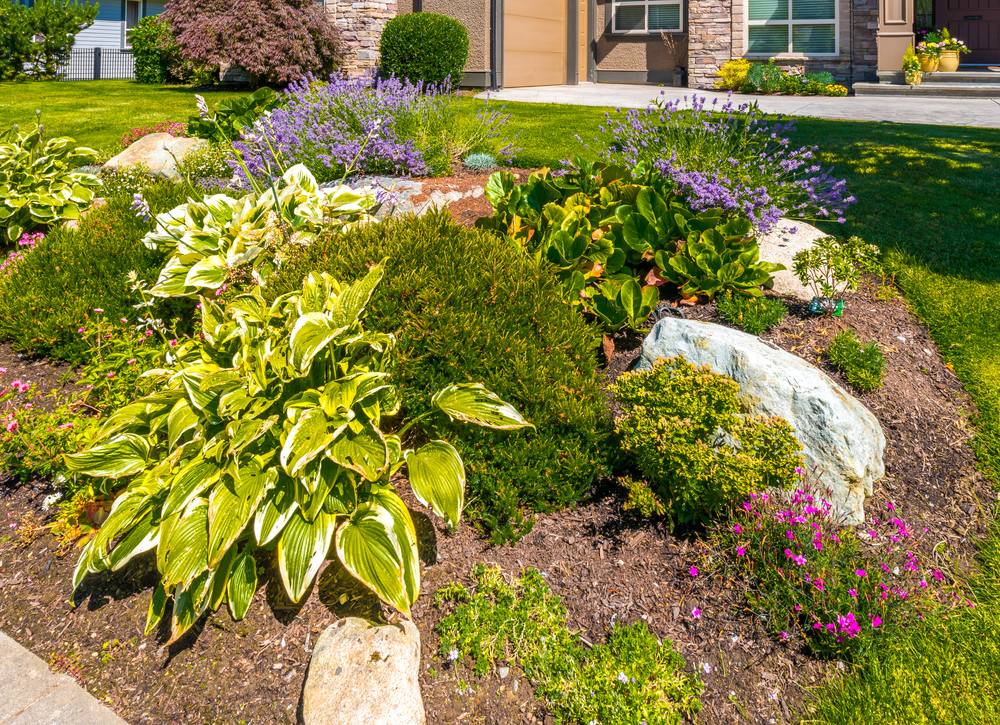
Imagine spending $150 at your local garden center on colorful flowers, carefully planting them along your front walkway, and receiving a letter from your homeowners association demanding that you remove them. You own the house, you pay the mortgage, and the flowers are growing on your property. How can someone else possibly have the authority to tell you what belongs in your garden?
Surprisingly, HOA landscaping rules can give homeowners associations considerable control over what residents plant, including certain flowers, shrubs, and ornamental trees.
However, that authority isn’t unlimited, and some states have laws protecting particular landscaping choices.
According to the Texas State Law Library, homeowners associations often enforce restrictive covenants that govern property appearance, landscaping, and exterior modifications. Understanding what your HOA can legally require could save you from expensive fines, wasted plants, and frustrating neighborhood disputes.
Here’s what every gardener living in an HOA community should know before planting their next flower bed.
Yes, Your HOA May Restrict Which Flowers You Plant
Many homeowners are surprised to discover that their association’s landscaping authority can extend to individual plant selections. Depending on the community’s governing documents, HOA landscaping rules may specify approved flowers, shrubs, trees, or other ornamental plants. The University of Florida IFAS Extension explains that associations may maintain plant-type lists and establish reasonable aesthetic standards for landscaping. For example, an HOA might permit low-growing annuals along a front walkway while restricting tall flowering plants that interfere with neighborhood sightlines or established design standards. Whether a particular restriction is enforceable depends on the association’s governing documents, applicable state law, and how the rule was adopted.
Your Front Yard May Face More Restrictions Than Your Backyard
Where you plant flowers can matter almost as much as which varieties you choose. Some associations regulate highly visible front-yard landscaping more closely than gardens located behind fences or away from public streets. The Utah Department of Commerce explains that state law places limits on certain association restrictions involving reasonable activities within residential lots, including backyard landscaping. However, those protections don’t necessarily eliminate all community design standards or maintenance requirements. Before installing a large flower bed, review whether your association distinguishes between front yards, side yards, and enclosed backyard spaces.
Native Flowers May Have Special Legal Protections
Here’s where HOA landscaping rules become especially interesting for gardeners who prefer native plants and pollinator-friendly landscaping. Some states have enacted laws limiting associations’ ability to prohibit certain environmentally beneficial landscaping practices. For example, Florida Statute 373.185 protects property owners’ ability to implement Florida-Friendly Landscaping, which includes practices that conserve water and support wildlife. However, associations may still require architectural approval and impose reasonable design and maintenance standards. That means planting native wildflowers or creating a butterfly garden doesn’t automatically exempt a homeowner from every HOA restriction, even in states with landscaping protections.
Your HOA May Require Permission Before You Start Digging
One of the most expensive gardening mistakes in an HOA community is assuming that small landscaping projects don’t require approval. Architectural review committees commonly oversee exterior property changes, and their authority is generally established in community governing documents. Some associations require written approval before homeowners create new flower beds, remove existing shrubs, or significantly alter established landscaping. Imagine spending $300 on plants and decorative edging only to discover that your association requires you to restore the original lawn. Submitting a simple planting plan before purchasing materials can prevent unnecessary expenses and give you written documentation if questions arise later.
Even Allowed Flowers Can Violate Maintenance Rules
Sometimes the problem isn’t the type of flower you’ve planted but how your garden looks after several months. Associations may establish maintenance requirements involving plant height, overgrowth, weeds, dead vegetation, or landscaping that extends into sidewalks. Even environmentally friendly landscaping may remain subject to reasonable appearance and upkeep standards. For example, a native wildflower garden that looks beautiful during peak bloom might generate complaints when dried stems remain standing through winter. If you want to maintain wildlife habitat without attracting violations, consider keeping visible edges tidy, using defined planting borders, and documenting the seasonal appearance of your garden.
Some States Limit What HOAs Can Demand
Homeowners shouldn’t assume every landscaping restriction printed in an HOA handbook is automatically enforceable. State laws can override certain community rules, particularly those involving water conservation and protected landscaping practices. Texas associations cannot completely prohibit certain drought-resistant landscaping practices, although reasonable regulations may still apply. Similarly, Florida law restricts covenants that effectively prohibit Florida-Friendly Landscaping. Before removing plants because an HOA demands it, check your state’s property laws and determine whether the restriction conflicts with protections available to homeowners.
HOA Violations Can Become Surprisingly Expensive
A disagreement over a flower bed might seem minor, but ignoring an HOA violation notice can create financial consequences. Depending on state law and the association’s governing documents, enforcement procedures may involve warning letters, hearings, fines, or legal action. Look for guidance on association enforcement authority, including limitations on fines and other remedies. A homeowner who refuses to address a disputed landscaping violation without following the proper appeal process may spend far more than the original cost of the plants. Rather than immediately removing your flowers or ignoring the notice, request the specific rule being enforced and information about your right to challenge the decision.
You Can Challenge an Unreasonable Landscaping Decision
Receiving a rejection from your HOA doesn’t necessarily mean the discussion is over. Start by requesting the exact covenant, architectural guideline, or written policy supporting the association’s decision. If the restriction appears inconsistent with state law or has been applied unevenly, ask about the community’s appeal or reconsideration process. Disputes involving Florida-Friendly Landscaping are generally handled between homeowners and their associations rather than by a single statewide enforcement agency. If significant fines, threatened legal action, or complicated property rights are involved, consulting an attorney familiar with HOA law may be worthwhile.
Your Garden Is Yours, But the Rules Still Matter
The answer to whether an HOA can dictate which flowers you plant is often yes, but the association’s authority has legal and contractual limits. HOA landscaping rules can regulate plant selection, garden placement, appearance, and maintenance, while state laws may protect certain environmentally friendly choices. The smartest approach is to review your community’s governing documents before making expensive landscaping changes and obtain written approval when required. Gardeners interested in native flowers, drought-tolerant plants, or pollinator habitats should also research state protections that may give them additional options.
Do you think homeowners associations should have the power to decide which flowers residents can plant, or should homeowners have complete control over their own gardens? Share your thoughts in the comments.
What to Read Next
7 Things You Can Plant in Your Yard That Could Start a Fight With Your HOA
Can an HOA Fine You for Letting Your Lawn Go Dormant?
The Native Plant Garden Looks “Messy” to the HOA — Who Gets to Decide?
Leave a Reply