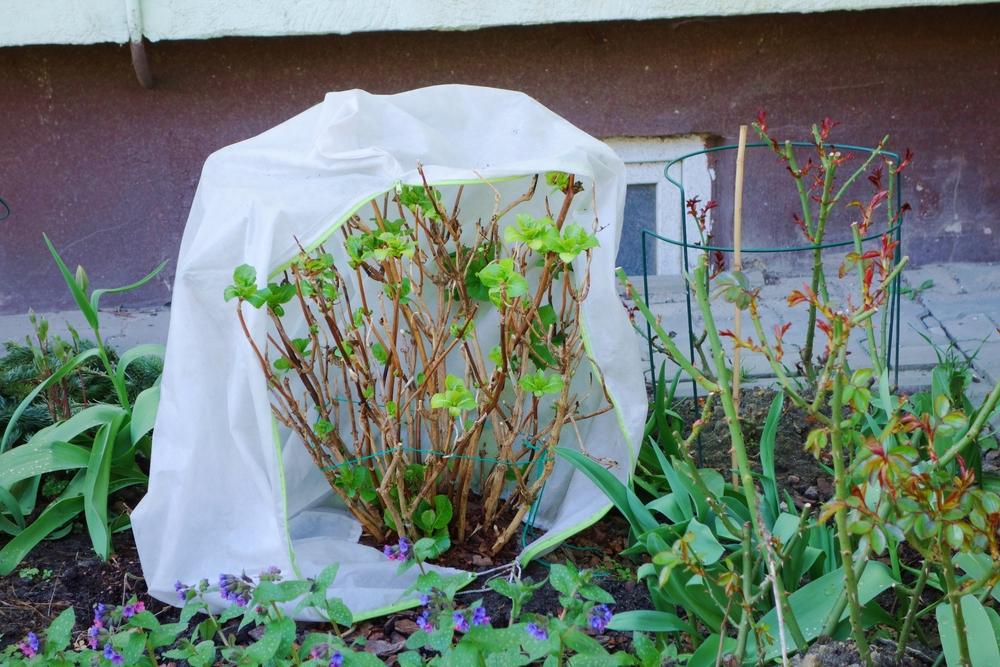
You check the weather forecast and see something no fall gardener wants to see: temperatures dropping below freezing overnight. Your lettuce, spinach, and other cool-season vegetables are still growing, so you grab a frost blanket and cover everything before bedtime. By morning, however, some of your plants are flattened, their leaves bent beneath the weight of the fabric.
Frost cloth can be an affordable way to protect vegetables from cold weather, but using it incorrectly may cause the very damage you’re trying to prevent. Heavy fabric, inadequate support, and improper installation can crush tender seedlings or leave delicate foliage exposed to freezing temperatures.
Learning how to use frost cloth properly can help you extend your growing season while protecting the time and money you’ve already invested in your garden.
Understand Why Frost Cloth Can Damage Plants
Frost cloth is designed to provide insulation, but not every material is lightweight enough to rest directly on delicate vegetables. According to the University of Wisconsin, floating row covers come in different weights, with heavier materials generally providing greater frost protection while allowing less sunlight through. Lightweight fabric may rest directly on established low-growing crops, but heavier blankets can bend young stems or flatten tender foliage. Wind and accumulated rain can add pressure, especially when fabric is stretched tightly across plants without support. Before covering your garden, consider both the weight of the material and the size and strength of the vegetables underneath.
Build Simple Hoops to Keep Fabric Above the Leaves
One of the easiest ways to protect tender plants is to create a small tunnel using inexpensive garden supports. The University of Maryland recommends using wire hoops or flexible PVC pipes to hold row covers above vegetables. Position the supports approximately two to four feet apart, depending on the strength of the materials and the size of your garden bed. Make sure the highest leaves have several inches of clearance beneath the fabric so plants aren’t damaged when the cover shifts in windy weather. A simple homemade tunnel can protect an entire row of lettuce or spinach without requiring an expensive greenhouse or commercial gardening kit.
Choose the Right Weight for Your Vegetables
Understanding how to use frost cloth also means choosing a fabric appropriate for the weather and the plants underneath. Lightweight row covers offer limited frost protection, while mediumweight materials can provide approximately four to six degrees of protection under favorable conditions. Heavyweight covers may provide up to eight degrees of protection, although they also block considerably more sunlight. For young lettuce, spinach, and other delicate vegetables, mediumweight fabric supported by hoops often provides a useful balance between warmth and protection from physical damage. Remember that frost protection varies with wind, soil temperature, and the duration of freezing weather, so no fabric guarantees survival during severe cold.
Secure the Edges Without Pulling the Fabric Too Tight
A common mistake is stretching frost cloth tightly across a garden bed until it presses against the plants underneath. According to the University of Georgia, frost protection works best when the material extends to the ground and traps warmth rising from the soil. Use bricks, smooth stones, boards, or sandbags to hold the fabric in place along the perimeter rather than attaching weights directly over foliage. Leave enough material between the supports and the secured edges to maintain clearance around growing plants without allowing excessive flapping. This arrangement helps prevent wind damage while creating a more stable protective environment during cold nights.
Install Frost Cloth Before Temperatures Drop
Waiting until plants are already coated with frost can reduce the benefits of covering them. Iowa State University explains that protective coverings work partly by trapping heat released from the ground during the night. Installing frost cloth before evening temperatures fall gives the covered area a better opportunity to retain some of that warmth. Check your local forecast in the afternoon, position the supports, and secure the fabric before darkness makes the job more difficult. This preparation is particularly valuable for gardeners protecting young vegetables because rushed nighttime installation increases the chance of accidentally bending stems or stepping on plants.
Remove or Vent Covers When the Weather Warms
Leaving frost cloth over vegetables indefinitely isn’t always beneficial, especially when sunny weather follows a cold night. According to West Virginia University, gardeners may need to remove or ventilate row covers when temperatures rise, depending on the crop and covering material. Even breathable fabric can create warmer conditions underneath, while plastic coverings can trap considerably more heat and moisture. On mild days, lift one side of the fabric or remove it temporarily so plants receive adequate airflow and sunlight. Check the forecast before leaving covers off overnight, since temperatures can fall quickly after sunset during autumn.
Watch for Rain, Wind, and Heavy Snow
Cold weather isn’t the only condition that can make frost cloth dangerous for delicate plants. Rain-soaked fabric may sag between supports, while strong winds can repeatedly whip the material against tender leaves and stems. NC State notes that leaves touching row covers can suffer additional damage from cold exposure and wind-driven rubbing. Heavy snow presents another challenge because insufficiently supported tunnels may collapse beneath the accumulated weight. Inspect your supports before storms, reinforce weak sections, and consider stronger structures when significant snowfall is expected rather than assuming thin garden hoops can handle every weather condition.
Use Household Materials for Small Plants
If you’re protecting only a handful of vegetables, you may already have useful materials around the house. Use stakes, PVC pipes, wire loops, and other structures to keep protective coverings from touching plant foliage. For example, a few sturdy stakes surrounding a small lettuce patch can support a lightweight frost blanket without requiring a full tunnel. Clean buckets or appropriately sized containers can also provide temporary protection for individual plants, provided they don’t crush foliage and are removed when conditions warm. Avoid using heavy household blankets directly on seedlings, and remember that nonbreathable materials require especially careful ventilation.
Store Frost Cloth Properly for Future Cold Snaps
Learning how to use frost cloth efficiently includes protecting the material itself so you don’t need to replace it every season. The University of Illinois explains that row cover fabric can be reused for years when handled carefully, although it can tear if snagged or exposed to strong winds. After removing the material, allow it to dry completely before folding or rolling it for storage. Check for holes, damaged seams, or worn sections that could reduce its effectiveness during future cold nights. Store clean fabric away from rodents, sharp gardening tools, and direct sunlight to help preserve your investment for another growing season.
Protect Your Harvest Without Flattening Your Plants
Knowing how to use frost cloth correctly can make the difference between harvesting healthy fall vegetables and discovering damaged seedlings after a cold night. Supported row covers can protect plants from cold while preventing the rubbing and physical injuries caused by fabric resting against foliage. A few inexpensive hoops, properly secured edges, and the right fabric weight can provide meaningful protection without requiring costly equipment. Just remember to monitor weather conditions, ventilate when necessary, and recognize that prolonged hard freezes may exceed what a simple cover can handle.
Have you ever accidentally damaged plants while covering them for frost, or do you have a favorite homemade support system that keeps your fall vegetables safe? Share your tips in the comments.
What to Read Next
How to Winterize Drip Irrigation Before Hard Frost
Leave a Reply