You’ve planted your fall vegetable seeds, kept the soil moist, and finally watched tiny green shoots emerge from the ground. There’s just one problem: dozens of seedlings are growing practically on top of each other. Removing perfectly healthy little plants might seem wasteful, especially when you’ve spent time and money getting them started.
However, leaving crowded seedlings alone can create bigger problems as your vegetables mature. Carrots may develop undersized roots, lettuce can struggle for sunlight, and closely spaced plants compete for limited water and nutrients. According to NC State, thinning seedlings improves growing conditions and can contribute to healthier plants and better harvests.
Learning how to thin fall seedlings correctly can help protect your garden investment without accidentally damaging the vegetables you want to keep.
Wait Until Seedlings Develop Their First True Leaves
Timing matters when you’re deciding which young plants should stay and which need to go. Gardeners should generally begin thinning when seedlings develop one or two pairs of true leaves. These are the leaves that appear after the first seed leaves and begin resembling the mature plant’s foliage. Thinning too early can make it difficult to identify the strongest seedlings, while waiting too long allows neighboring root systems to become more entangled. For most fall vegetables, checking the planting bed every few days after germination helps you catch the right moment before overcrowding becomes a bigger problem.
Use Small Scissors Instead of Pulling Seedlings
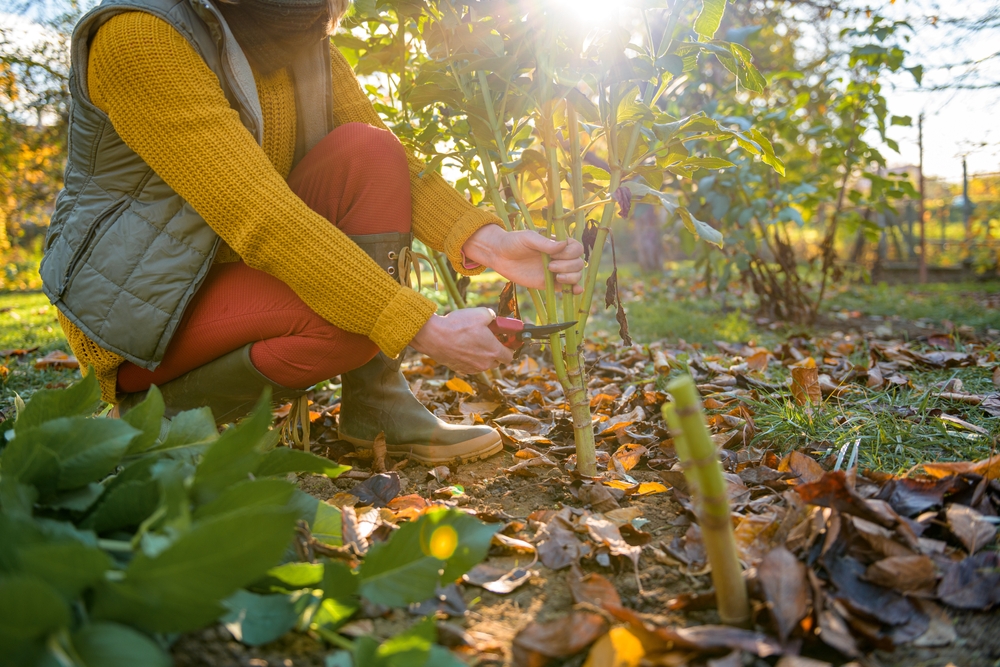
One of the most important lessons in how to thin fall seedlings is that pulling unwanted plants isn’t always the safest approach. Iowa State University recommends cutting unwanted carrot seedlings at soil level rather than pulling them from the ground. That’s because neighboring seedlings may have intertwined roots, and removing one plant can disturb or damage another. A small pair of clean scissors allows you to snip the weaker seedling just above the soil without disrupting the surrounding root system. This inexpensive technique is especially useful for carrots, beets, and other vegetables that develop sensitive roots underground.
Choose the Strongest Seedlings to Keep
When several seedlings emerge in the same small area, resist the temptation to save whichever plant happens to be tallest. The healthiest candidate is generally one with sturdy growth, normal leaf color, and enough surrounding space to develop properly. University of Nevada, Reno recommends selecting the largest and sturdiest seedlings when thinning crowded vegetable plantings. Avoid keeping plants with damaged stems, unusual discoloration, or obvious signs of disease simply because they’re slightly bigger than their neighbors. Once you’ve identified the strongest plants, remove the extras carefully rather than trying to rearrange seedlings whose roots may already be intertwined.
Follow the Correct Spacing for Each Vegetable
Different fall vegetables need different amounts of room, so there’s no universal spacing rule for every seedling. According to UF/IFAS, carrots generally benefit from approximately two to three inches between plants to allow healthy root development. Penn State recommends approximately four to six inches between spinach plants, depending on the variety and growing conditions. Lettuce spacing can vary considerably depending on whether you’re growing baby leaves, loose-leaf varieties, or full heads. Before thinning, check the seed packet or a university planting guide so you don’t accidentally remove too many plants or leave them overcrowded.
Work When Temperatures Are Cooler
Fall gardening often brings milder weather, but seedlings can still experience stress when they’re disturbed during warm afternoons. It is a good idea to thin during the evening because the remaining plants have cooler nighttime conditions to recover. An overcast day can also provide a practical opportunity to work without exposing recently disturbed seedlings to intense afternoon sunlight. If the soil is extremely dry, lightly moistening it beforehand may make the planting area easier to work around, especially when removing weeds nearby. Learning how to thin fall seedlings under favorable conditions helps reduce unnecessary stress during an already short growing season.
Be Especially Careful With Carrots and Other Root Crops
Carrots, radishes, beets, and turnips are particularly vulnerable to problems caused by overcrowding because their edible portions develop underground. According to the University of Maryland, carrot seedlings should generally be thinned when they’re approximately two inches tall, leaving one to four inches between plants depending on the variety. Removing crowded seedlings by pulling can disturb neighboring roots, potentially interfering with the development of the vegetables you’re trying to grow. For tightly packed rows, carefully cut the unwanted seedlings at the soil surface and leave their roots in place to decompose naturally. This method requires only a few minutes of attention but can prevent a disappointing harvest of small or misshapen vegetables later in the season.
Don’t Throw Away Every Seedling You Remove
Thinning doesn’t always have to mean wasting the plants you’ve already grown. Some thinned seedlings are edible and can add flavor or texture to meals. Tender lettuce, radish, beet, and spinach thinnings may be suitable for salads or other dishes when they’re correctly identified and grown without products that make them unsafe to eat. However, seedlings cut directly at soil level can be difficult to collect cleanly, and not every vegetable seedling is edible. Only use healthy, properly identified plants, wash them thoroughly, and compost questionable material rather than risking food safety to save a few scraps.
Avoid Overwatering After Thinning
Once you’ve finished thinning, the remaining seedlings still need consistent moisture to continue developing healthy roots. However, adding excessive water can create problems, particularly in containers or poorly drained raised beds. Overly wet growing media can limit oxygen around roots and encourage diseases such as damping-off. Check the soil before watering, aiming for moisture that supports growth without leaving the planting area constantly saturated. If you’ve only snipped seedlings without disturbing the roots, a gentle watering may be sufficient when the soil needs moisture rather than automatically soaking the entire bed.
Prevent Overcrowding Before Your Next Planting
One of the easiest ways to save time and seeds is to avoid planting far more than your garden can support. The Royal Horticultural Society recommends paying attention to seed spacing and thinning requirements when sowing vegetables directly outdoors. Small seeds can be difficult to handle individually, but taking extra time during planting may reduce how many seedlings need to be removed later. For carrots and other tiny seeds, consider using seed tape or carefully spacing seeds along a shallow planting furrow instead of scattering them heavily. This approach can reduce seed waste, simplify future maintenance, and make thinning fall seedlings considerably less time-consuming.
A Few Careful Cuts Can Make a Better Fall Harvest
Understanding how to thin fall seedlings comes down to giving your strongest plants enough room without damaging their developing roots. Proper thinning reduces competition for sunlight, nutrients, and water while improving growing conditions. Using small scissors, following recommended spacing, and working during cooler hours can make the process easier and less stressful for young vegetables. Although removing healthy seedlings may initially feel wasteful, a properly spaced row of carrots or lettuce often produces a more useful harvest than an overcrowded bed.
Do you thin your fall seedlings with scissors, pull them by hand, or try to plant seeds far enough apart that thinning isn’t necessary? Share your favorite gardening tricks in the comments.
What to Read Next
How to Overseed Thin Grass Before Winter Dormancy
Can You Grow Grocery Store Garlic Instead of Buying Seed Garlic?
7 Garden Plants Worth Saving Seeds From Instead of Buying Them Again Next Year
Leave a Reply