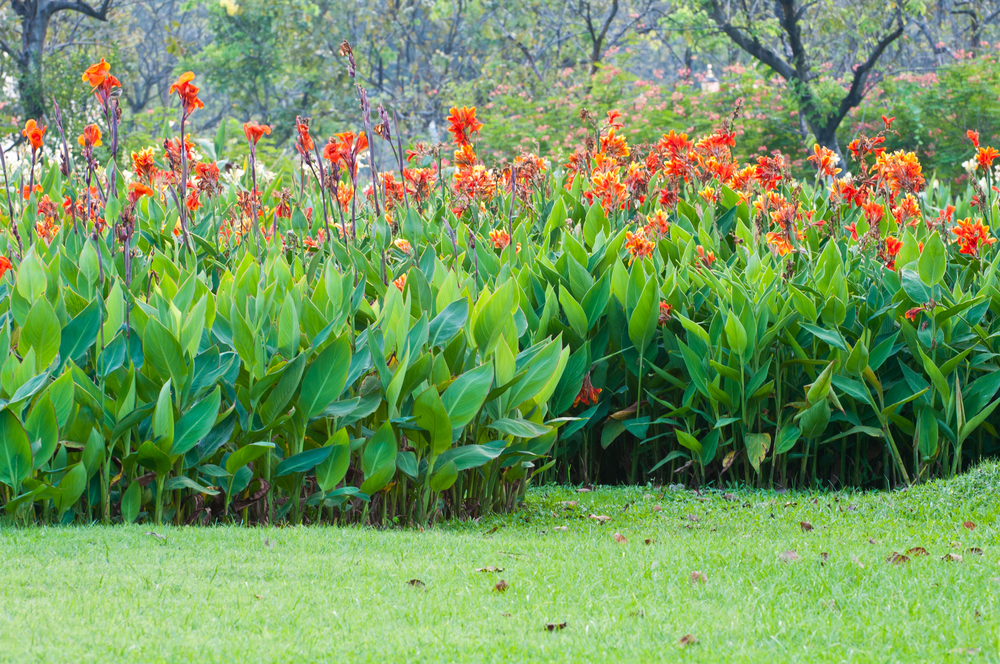
Cannas can make an ordinary garden look tropical all summer, with huge leaves and brightly colored flowers that sometimes continue until frost. The problem arrives when temperatures plunge, because these heat-loving plants aren’t equipped to handle frozen ground in colder climates. Their underground rhizomes can be saved and replanted, however, which means a little fall work can keep you from buying replacements next spring. Successful canna winter storage comes down to protecting those rhizomes from two opposite threats: freezing and drying or rotting during months indoors. If you’ve invested in several cannas—or have a variety you particularly love—knowing how to store them correctly is worth the effort.
First, Know Whether Your Cannas Actually Need Digging
Not every gardener needs to haul cannas indoors for winter. North Carolina notes that cannas can be injured when left in the ground at temperatures below about 25 degrees Fahrenheit and recommends lifting rhizomes for winter storage in colder zones. In warmer climates, cannas may overwinter in the ground, particularly when they’re protected with mulch and planted in a suitable location. Local conditions matter, however, because USDA hardiness zones describe average extreme minimum temperatures rather than guaranteeing what will happen in one particular garden. If frozen soil is a realistic possibility where you live, digging valuable rhizomes is the safer choice.
Wait Until the Plants Have Finished for the Season
You don’t necessarily need to dig cannas simply because the first cool October night appears in the forecast. Iowa State University recommends cutting cannas back a few days after a hard, killing frost and then carefully digging the clumps. That first serious frost usually makes the decision obvious because formerly lush foliage quickly turns brown or black and collapses. Cut the dead top growth back, leaving several inches of stem so the clump is easier to identify and handle while digging. The important thing for canna winter storage is not to leave vulnerable rhizomes underground long enough for the soil itself to freeze.
Dig Wider Than the Stems to Avoid Expensive Damage
A mature canna may have produced a surprisingly large rhizome clump during one growing season. Start digging several inches away from the plant with a garden fork or spade, loosening soil around the entire clump before trying to lift it. Iowa State recommends carefully digging the clumps while leaving a small amount of soil around them rather than aggressively stripping everything away. This is one gardening job where working slowly can literally save money, particularly if you’ve accumulated specialty cultivars that would be expensive to replace. A sliced or badly broken rhizome is much less valuable than the healthy plant you could have grown from it next year.
Don’t Put Wet Rhizomes Straight Into Winter Storage
Cannas have spent months growing in moist soil, but that doesn’t mean you want to seal freshly dug, wet rhizomes into a container for several months. Iowa State recommends allowing dug rhizomes to dry for one or two days before moving them into storage. Purdue University similarly advises allowing frost-killed canna tops to dry for several days, cutting the stems to roughly three or four inches, lifting the roots, and letting the clump dry for several hours. Drying the exterior helps reduce the conditions that encourage decay while the plants are dormant. However, you’re drying the surface—not trying to turn the rhizomes into hard, shriveled pieces.
Temperature Matters More Than Many Gardeners Realize
A cardboard box in any convenient corner of the garage isn’t automatically suitable for canna winter storage. The University of Minnesota recommends keeping canna rhizomes somewhere they won’t freeze, such as a basement between approximately 40 and 50 degrees Fahrenheit. North Carolina similarly recommends dry storage around 41 to 50 degrees for cannas being overwintered in colder areas. An unheated detached garage or shed can fall below freezing during a severe cold snap even if it normally feels protected. A thermometer in the proposed storage area is an inexpensive way to find out whether your rhizomes will actually be safe instead of relying on a guess.
The Moisture Balance Can Be Tricky
The confusing part about storing cannas is that too much moisture can encourage rot while too little can leave rhizomes badly shriveled. North Carolina recommends a dry medium such as peat or vermiculite, while Iowa State says rhizomes can be stored in boxes, crates, or mesh bags in a cool, dry location. Recommendations vary somewhat because successful storage depends partly on humidity, temperature, and how much soil remains around the clump. Whatever method you choose, don’t treat the container like a time capsule that can’t be opened until April. Good canna winter storage includes occasionally checking the rhizomes so you can catch excessive drying or decay before the entire batch is lost.
Check for Rot Instead of Discovering It in Spring
Once a month or so, take a quick look at your stored cannas. Rhizomes should remain reasonably firm, while soft, mushy or obviously rotting sections deserve immediate attention rather than another two months in the box. University of Minnesota specifically advises periodically checking stored cannas to make sure they haven’t become soft or spoiled. This is also an opportunity to notice extreme shriveling, which suggests the rhizomes are losing too much moisture during storage. Five minutes of checking in December or January can protect plants that might otherwise cost considerably more to replace when garden centers reopen for spring.
Don’t Divide Cannas Without Finding the Growing Points
A large canna clump can eventually become several plants, making overwintering especially worthwhile for a frugal gardener. However, simply cutting a clump into equally sized chunks isn’t the right approach because each viable division needs a growing point. University of Minnesota advises ensuring each divided piece has an eye, while Purdue explains that new growth buds are located around the old stem base and that divisions need part of that area. You can divide cannas before storage or wait until spring, when you’re preparing them for another growing season. If you’re unsure where the viable eyes are, storing larger clumps rather than making questionable cuts can be the safer approach.
Saving Cannas Can Turn One Purchase Into Years of Plants
Successful canna winter storage isn’t about creating laboratory-perfect conditions; it’s about preventing freezing, serious dehydration, and rot until planting weather returns. Lift vulnerable rhizomes before frozen ground becomes a threat, allow them to dry appropriately, and store them somewhere reliably cool but above freezing. Label different varieties while you still remember which is which, especially if you’ve collected several colors or sizes over the years. With good storage and eventual division, a few original cannas can become enough plants to fill increasingly larger areas of your garden without buying new ones every spring.
Do you save your canna rhizomes every winter, or do you treat cannas as annuals and start fresh each year?
What to Read Next
The Best Cover Crops to Sow Before Winter Arrives
Leaf Mulch Uses That Feed Garden Soil All Winter
October Lawn Care Tasks That Protect Your Grass Before Winter
Leave a Reply