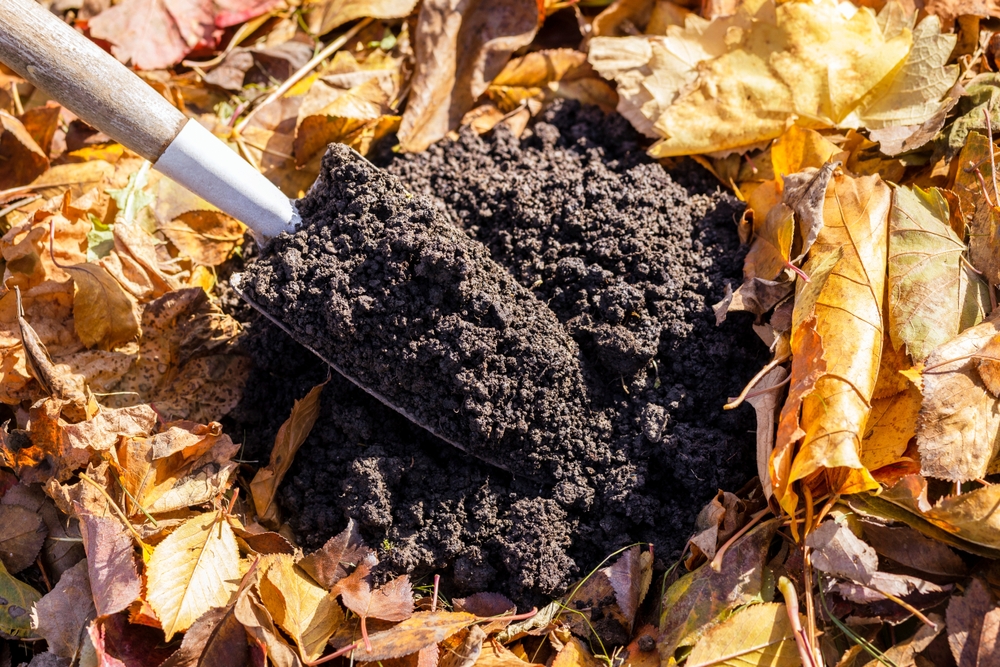
Fall cleanup can leave gardeners staring at piles of leaves, spent vegetable plants, and other organic material that looks like waste but could actually become next year’s soil amendment. Instead of bagging everything for disposal and buying bags of compost in spring, you can put much of that material to work now.
Fall composting takes advantage of the sudden abundance of carbon-rich leaves while giving microorganisms months to begin breaking down garden and kitchen waste. The process may slow considerably when temperatures drop, but the pile doesn’t become useless simply because winter arrives. Start now, and you may head into planting season with compost already developing instead of starting from scratch when you’re ready to plant.
Fall Gives You an Almost Free Supply of Compost Material
One reason fall composting makes so much sense is that many of the ingredients practically deliver themselves to your yard. NC State identifies fallen leaves, straw, cardboard, and small twigs as carbon-rich “browns,” while fruit and vegetable scraps, coffee grounds, and grass clippings provide nitrogen-rich “greens.” That means the leaves you might otherwise bag can become one of the largest ingredients in your compost pile. If you normally buy soil amendments in spring, turning free yard waste into usable organic matter can also reduce how much material you need to purchase. Keep a stash of dry leaves nearby, and you’ll have browns available whenever kitchen scraps add too much moisture or nitrogen to the pile.
Shredding Leaves Can Speed Up the Process
Dumping an entire pile of whole leaves into a compost bin works eventually, but smaller pieces generally break down faster. NC State explains that decomposition happens on material surfaces, so chopping or shredding creates more surface area for microorganisms to work on. One inexpensive approach is simply running over dry leaves with a mulching lawn mower before collecting them. This can also reduce their volume considerably, allowing a surprising amount of fall material to fit into a modest compost area. Don’t pulverize everything into an airless mass, though, because composting microorganisms also need oxygen.
A Good Mix Matters More Than Buying a Fancy Bin
You don’t need an expensive rotating composter to turn leaves and kitchen scraps into useful material. Composting works when microorganisms have appropriate amounts of carbon, nitrogen, oxygen, and moisture, and NC State says an ideal carbon-to-nitrogen ratio for decomposition is roughly 25:1 to 35:1.
You don’t need to calculate the chemistry of every banana peel, because gardeners can create a workable balance by mixing plenty of dry brown material with smaller amounts of fresh green material. A simple wire enclosure, repurposed pallets, or an open pile can work if the material can retain moisture while still receiving air. Spending $100 or more on a composting system won’t compensate for a pile that’s soaking wet, bone dry, or made almost entirely of one ingredient.
Not All Fall Leaves Break Down at the Same Speed
If you’ve ever wondered why some leaves seem nearly intact months later, tree species can make a meaningful difference. NC State reports that maple leaves have a carbon-to-nitrogen ratio near 30:1 and can break down in several weeks under favorable moisture and turning conditions. Oak leaves, by comparison, have a ratio around 60:1 and contain decay-resistant tannins, so they typically decompose more slowly. Shredding tougher leaves and mixing them with nitrogen-rich materials such as vegetable scraps or untreated grass clippings can help move decomposition along. For fall composting, the practical lesson is simple: slow leaves aren’t bad compost ingredients, but don’t expect every pile to finish on the same schedule.
Cold Weather Slows Composting Without Ending the Project
Gardeners sometimes assume a compost pile has failed when it stops generating noticeable heat during winter. Microbial activity slows as conditions become colder, and a smaller backyard pile may cool considerably during freezing weather. Check winter compost again in spring, turning the pile and adjusting moisture and its mix of brown and green materials as necessary. Even a slow pile has spent months partially decomposing instead of sitting untouched in bags beside the garage. Once warmer temperatures return and microbial activity increases, the process can accelerate again.
Moisture Can Make or Break Your Fall Compost Pile
Compost needs moisture, but there’s a big difference between damp material and a soggy pile. A useful target is often described as roughly the moisture level of a wrung-out sponge, meaning the ingredients are damp without water pouring from them. Too little water slows microbial activity, while excessive water can reduce oxygen in the pile and contribute to unpleasant odors. If your pile becomes wet and compacted after winter rain or snow, turning it can restore airflow, while a dry pile may need a little water. Checking moisture occasionally is one of the simplest ways to keep fall composting working without buying additives or compost accelerators.
Be Selective About What Goes Into the Pile
Not everything removed during fall garden cleanup belongs in a home compost pile. Don’t add materials such as diseased or pesticide-treated plants, weeds with seed heads, meat, bones, dairy products, and human or pet waste to a typical home pile. Meat, dairy, and oily foods can also attract unwanted animals, turning an otherwise useful compost bin into a neighborhood buffet. Diseased plant material is particularly worth thinking about because a backyard pile may not consistently reach temperatures capable of destroying pathogens. When in doubt, keeping questionable material out is usually easier than trying to correct a contaminated or pest-filled pile later.
Finished Compost Can Improve More Than Fertility
Compost isn’t simply homemade fertilizer, and treating it that way understates its usefulness. NC State notes that compost can help conserve moisture, control weeds, reduce erosion, and moderate changes in soil temperature when used on the surface. Mixed into garden soil, organic matter can also improve conditions in both sandy and clay-heavy soils, helping gardeners address structure as well as nutrients. Compost doesn’t necessarily contain enough nutrients to meet every plant’s needs, so soil testing and appropriate fertilization can still matter. The payoff from fall composting is healthier soil management rather than a magical replacement for everything else your garden needs.
Make Sure It’s Finished Before You Plant Into It
Seeing something dark at the bottom of the pile doesn’t automatically mean your compost is ready for seedlings. NC State says mature compost should have material that is largely unrecognizable, a dark brown or black appearance, an earthy smell and a temperature close to the surrounding air. Finished compost also benefits from a curing period after active heating has stopped, allowing the material to stabilize further. That’s important because unfinished organic matter continuing to decompose in garden soil can compete with plant roots for available nitrogen. If you’re preparing spring vegetable beds, use mature compost rather than scooping half-rotted leaves from the middle of the pile simply because planting weekend has arrived.
This Fall’s Leaves Could Become Next Spring’s Garden Upgrade
The biggest advantage of fall composting is that it lets time do part of the work for you. Leaves provide abundant carbon, garden cleanup produces additional ingredients, and everyday kitchen scraps can supply nitrogen throughout the colder months. Shred larger material, balance browns with greens, keep the pile damp rather than saturated, and don’t panic when decomposition slows in winter. By the time spring planting arrives, you may have partially or fully finished compost waiting instead of another garden product on your shopping list.
Do you compost your fall leaves, use them directly in garden beds, or still send most of them to the curb?
What to Read Next
Before You Buy Compost, Look at What’s Going in Your Trash
8 Kitchen Scraps That Actually Belong in the Compost — And 5 That Don’t
Leave a Reply