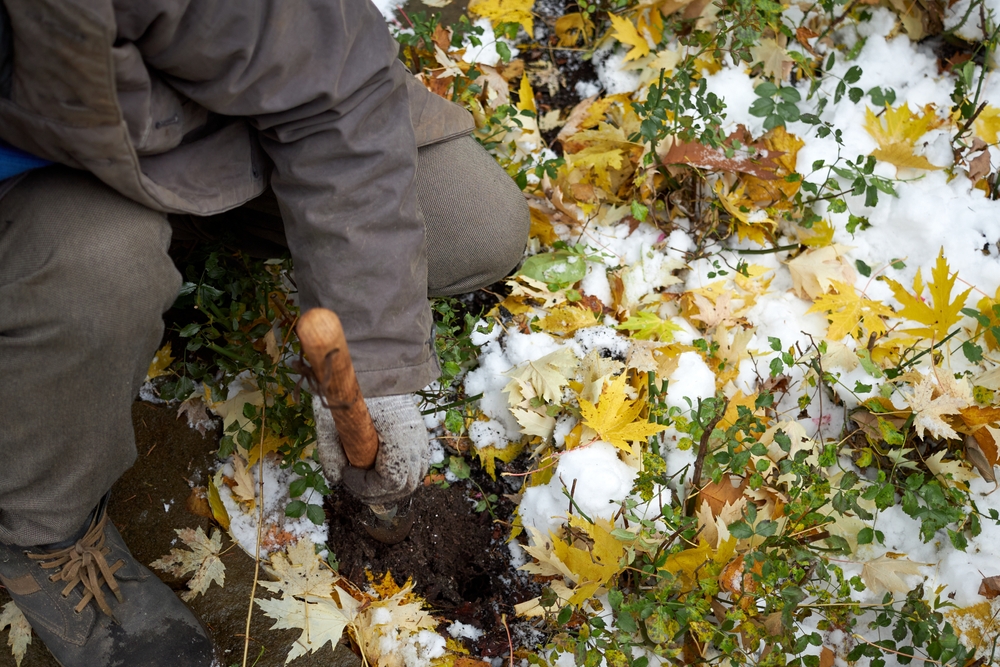
That first chilly weather forecast can send gardeners racing outside with pruners, buckets, and a vague feeling that everything needs to be finished immediately. Fortunately, most fall garden chores aren’t nearly that urgent, but a handful of garden jobs before first frost really do deserve priority because freezing temperatures can damage tender plants, ruin produce, and turn easy tasks into frustrating ones. Penn State recommends knowing your area’s average frost and freeze dates when planning fall gardening, although the actual first frost can arrive earlier or later in any particular year. That means the forecast matters more than blindly following a date printed on a gardening calendar. When nighttime temperatures begin heading toward freezing, put these eight jobs at the top of your list.
1. Harvest the Vegetables That Can’t Handle Frost
Don’t leave a beautiful tomato on the vine because you’re hoping for three more days of ripening when a damaging frost is expected overnight. Warm-season crops are much less tolerant of cold than many fall vegetables, while crops such as kale, collards, carrots, and beets can tolerate some frost and may even become sweeter after exposure to cold temperatures. Penn State notes that carrots and beets can potentially remain in the ground with protection until the soil freezes. Prioritize harvesting frost-sensitive produce, including mature tomatoes, peppers, eggplants, cucumbers, summer squash, and beans, before temperatures tumble. One of the smartest garden jobs before first frost is knowing what actually needs rescuing and what can safely stay outside.
2. Bring Tender Container Plants Inside
The patio plant you’ve kept alive since May may not survive one freezing night simply because it still looks healthy. Try to prepare tender container plants for overwintering before the first frost, including inspecting pots for insects and other unwanted hitchhikers before moving them into protected spaces. Penn State notes that plants unable to survive winter outdoors can be grown in containers specifically so they’re easier to bring inside in fall. Decide which geraniums, tropical plants, herbs, or other tender specimens are genuinely worth saving rather than trying to overwinter every pot you own. Check leaves, stems, drainage holes, and the soil surface carefully before bringing a miniature ecosystem of aphids, mites, or other pests into your house.
3. Take Herb Cuttings or Harvest What You Want to Save
Basil can look magnificent one afternoon and miserable after a cold night, so don’t wait until frost damage reminds you that you meant to preserve it. Harvest tender herbs you want for cooking, drying, freezing, or other preservation while their foliage is still in good condition. You can also bring appropriate container-grown herbs indoors, although indoor conditions such as light, humidity, drainage, and watering still determine whether they’ll thrive through winter. Penn State recommends containers with drainage holes and adjusting watering to the needs of individual herbs rather than treating every indoor herb identically. Taking a few cuttings or harvesting a freezer bag of herbs costs virtually nothing and can stretch this year’s garden investment months beyond the growing season.
4. Protect Crops You Want to Keep Growing
A frost forecast doesn’t necessarily mean the vegetable garden has to close for the year. Cloches, row covers, cold frames, low tunnels, and other season-extending methods can protect appropriate crops from cold temperatures and potentially extend the harvest. Penn State explains that these structures create sheltered growing spaces and can protect plants from cold temperatures and drying winds. If you’re covering plants temporarily, secure the protection against wind and make sure the material you’re using is appropriate for the temperatures expected rather than assuming one thin sheet defeats every freeze. For budget gardeners, protecting $20 worth of vegetables with a reusable cover you already own can make more sense than surrendering the entire garden to one cold night.
5. Deal With Diseased Plant Material
Not every dead stem needs to disappear from the garden before winter, but diseased plants deserve different treatment. Remove plant debris affected by fungal diseases such as powdery mildew because spores can remain on the material and create problems again when favorable conditions return. Don’t automatically toss diseased material into a casual backyard compost pile if your composting method won’t reliably destroy the pathogen involved. Healthy perennial stems, meanwhile, can often remain through winter and provide wildlife habitat, so a perfectly bare garden isn’t necessarily the goal. This is one of those garden jobs before first frost where selective cleanup is usually smarter than cutting everything to the ground.
6. Disconnect and Drain Your Watering Equipment
A garden hose full of water doesn’t improve when freezing weather arrives. Finish late-season watering where needed, then disconnect hoses, watering wands, sprinklers, and other removable irrigation equipment before repeated freezing temperatures become a concern. Drain everything thoroughly and store reusable equipment somewhere protected so trapped water doesn’t freeze, expand, and damage components. If you have an irrigation system, outdoor plumbing, or backflow equipment that requires winterization, follow the manufacturer’s instructions or local professional recommendations because systems vary considerably. Spending a few minutes protecting equipment now can be far cheaper than replacing cracked watering gear when you’re ready to plant in spring.
7. Decide Which Bulbs and Tubers Need Winter Protection
Not everything called a “bulb” receives the same fall treatment. Spring-flowering hardy bulbs such as tulips and daffodils are planted in fall, while tender summer-flowering plants such as cannas, dahlias, and gladiolus may need to be lifted and stored where winters are too cold for them to survive. Penn State explains that these tender underground structures are generally planted after frost danger in spring, then dug and stored indoors for winter. Some gardeners wait until frost kills or yellows the foliage before lifting particular tender bulbs, so this job may involve identifying and labeling plants before frost rather than immediately digging everything. You should dig tender bulbs within a few days after frost once foliage has been killed or begins yellowing, then cure and store them appropriately.
8. Take Photos and Notes Before the Garden Disappears
This might be the cheapest and most overlooked job on the entire list. Before frost turns lush beds into brown stems, photograph the garden and make notes about what worked, what failed, where plants became overcrowded, and which varieties you actually want again. Review annuals and perennials, considering whether plants met expectations, and noting whether another location or future division might help. Record approximately how many tomato plants your household really used, which flowers attracted pollinators, where irrigation failed, and which vegetables produced more than anyone wanted to eat. Those five minutes of documentation can prevent you from spending money next spring repeating mistakes you’ve already forgotten.
Don’t Mistake First Frost for the End of Gardening
The first frost is a deadline for some plants, but it isn’t a deadline for every fall gardening chore. Cool-season vegetables may continue producing, some tender bulbs are best lifted after frost damages their foliage, and many healthy perennial stems can remain standing through winter rather than being removed immediately. Focus garden jobs before first frost on what cold weather can actually damage: tender produce, vulnerable container plants, herbs you want to preserve, exposed equipment, and anything else you can’t recover afterward. Once those priorities are handled, you can tackle the rest of the fall garden at a much less frantic pace.
What’s the one garden job you always find yourself scrambling to finish the night before the first frost?
What to Read Next
The First Frost Is Coming — These 7 Garden Plants Are Worth Saving Before It Hits
The Late Frost Risk: Why Some Regions Still Need Protection
The Frost-Proof Secret: Protecting Your $2 Plants from a Random Cold Snap
Leave a Reply