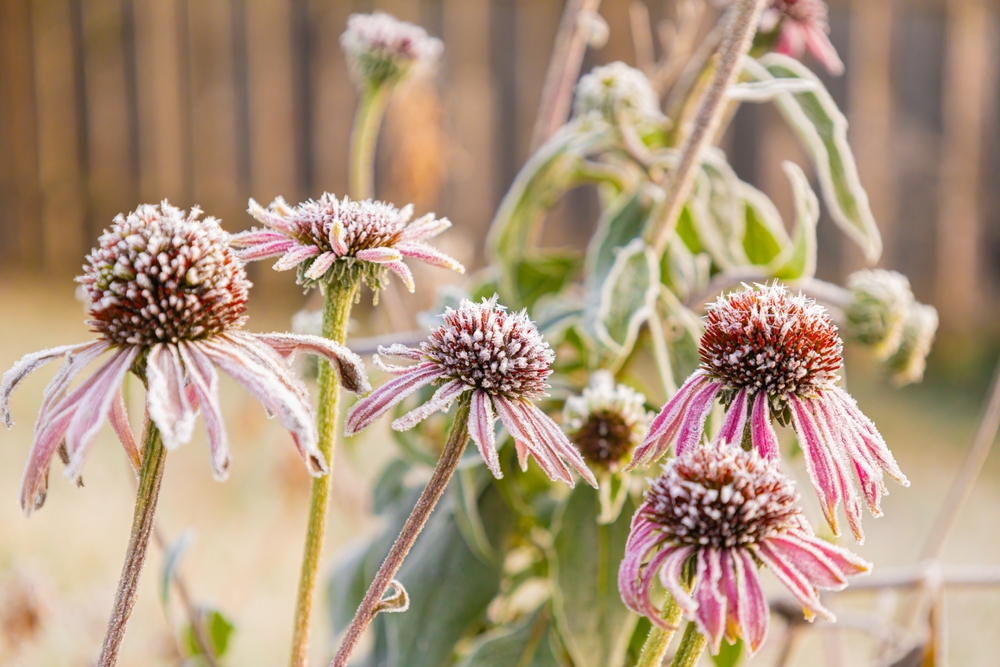
The first frost can turn a lush garden into a sad collection of blackened stems almost overnight, but not every plant needs to meet its chilly fate. Some garden favorites deserve a rescue mission before temperatures dip, especially plants that can move indoors, produce more food, or return next year from stored roots.
The important part involves choosing wisely because bringing half the garden inside sounds charming until the kitchen becomes a jungle and every windowsill develops a personal relationship with aphids. Focus on plants that offer a real payoff, then give them the right kind of protection before the cold arrives.
1. Basil Deserves One Last Rescue
Basil hates cold weather, so the first frost can finish a beautiful plant remarkably quickly. If the basil grows in a container, move it indoors before cold nights arrive and place it near a bright, sunny window. Penn State Extension notes that basil can grow indoors during winter, although it needs plenty of light and warmth to stay productive.
For garden-grown basil, take healthy cuttings before frost rather than trying to dig up a large, tired plant. Place the cuttings in water until they develop roots, then pot them in clean container mix for an inexpensive indoor herb supply. Give the plant good light, avoid constantly soggy soil, and keep harvesting lightly so the foliage stays useful instead of turning into a lanky windowsill ornament.
2. Rosemary Can Keep the Kitchen Garden Going
Rosemary makes a particularly good candidate for overwintering because a healthy plant can continue supplying fragrant leaves long after the outdoor garden shuts down. The herb prefers bright light and well-drained soil, so a sunny window offers a much better winter headquarters than a dim corner of the house. Penn State Extension recommends bringing rosemary indoors in areas where the plant cannot survive winter outdoors.
Check the plant carefully for insects before bringing it inside, because nobody wants to import an entire garden ecosystem with the rosemary. Keep watering moderate and provide plenty of air circulation, since indoor conditions can encourage problems when soil stays wet for too long. If the plant looks a little dramatic after the move, give it time to adjust before declaring the rescue mission a failure.
3. Pepper Plants Can Keep Producing
Peppers rank among the most tempting plants to save because a healthy plant may still have plenty of productive life left when autumn temperatures begin falling. Warm-season peppers dislike cold conditions, so a container plant can move indoors to a bright location before frost arrives. Gardeners can also bring smaller pepper plants into containers if they have enough healthy roots to handle the move.
Before moving one indoors, inspect the foliage and stems carefully for pests and remove damaged leaves. A sunny window or supplemental grow light can help the plant handle the darker months, while careful watering prevents the roots from sitting in soggy soil. Some pepper plants may slow down considerably indoors, but preserving a strong plant can give the gardener a head start when warm weather returns.
4. Tomatoes Are Worth Saving, But Save the Right Thing
Tomatoes often tempt gardeners into a frantic race against the first frost because a plant can still carry green fruit when the growing season suddenly runs out. Protecting a small container tomato or temporarily covering an outdoor plant can extend the harvest when cold weather remains mild. Once a hard freeze threatens, however, saving the remaining fruit usually makes more sense than attempting to drag a giant tomato vine indoors.
Pick mature green tomatoes before a killing frost and let suitable fruit ripen indoors at room temperature. A few healthy cuttings can also offer a way to preserve a favorite plant, although tomatoes need strong light and careful indoor care. Think of the rescue as harvesting the season’s remaining rewards rather than forcing an exhausted summer plant to become a permanent houseplant.
5. Coleus Is Practically Begging for a Second Act
Coleus earns its place on the rescue list because its colorful foliage can brighten an indoor space when the outdoor garden starts looking decidedly less cheerful. Move healthy container plants indoors before frost and place them somewhere warm with bright, indirect light. Gardeners can also take stem cuttings from vigorous plants and root them for a fresh collection of smaller plants.
Give the foliage a close inspection before bringing it inside, particularly around leaf joints where pests can hide. Pinching growing tips helps maintain a compact shape, while careful watering keeps the potting mix from remaining constantly wet. One healthy coleus can become several indoor plants, making this one of the easiest ways to turn a favorite summer display into next year’s garden material.
6. Geraniums Are Worth the Windowsill Space
Zonal geraniums can make excellent overwintering plants when gardeners want to preserve a favorite variety rather than buy another plant in spring. Bring them indoors before frost and give them the brightest location available, since low indoor light can lead to weak, stretched growth. A healthy container plant can also spend winter indoors in a more restrained growth phase.
Before the move, remove dead foliage and inspect the plant for insects or disease. Water less frequently than during the summer growing season, especially when indoor light levels drop and the plant uses moisture more slowly. A little winter patience can turn one beloved geranium into a ready-to-go patio or garden plant when warm weather returns.
7. Dahlias Are Too Valuable to Leave in the Cold
Dahlias deserve special attention because gardeners can save their underground tubers even when the foliage cannot survive freezing temperatures. In colder regions, gardeners typically dig the tubers after frost damages the foliage, allow them to dry appropriately, and store them in a cool, protected location where they will not freeze. That underground treasure can produce another spectacular display next season.
Handle the tubers gently because cuts and bruises can create opportunities for rot during storage. Check stored tubers periodically and remove any that develop serious soft spots or mold before problems spread. The process takes more effort than moving a pot indoors, but saving a prized dahlia can spare the gardener from starting over with a new plant next year.
Make the Frost Forecast Your Garden Alarm Clock
The smartest frost rescue begins before the thermometer reaches freezing because tender plants need time to move indoors, dry out appropriately, or receive protection. Start with the plants that offer the greatest payoff, especially favorite herbs, valuable container plants, productive peppers, and bulbs or tubers that cannot tolerate winter cold. A clean inspection before anything crosses the threshold can also keep garden pests from turning into unwanted houseguests.
Not every plant deserves a rescue, and that distinction can make fall gardening much easier. Save the plants with sentimental value, useful harvests, unusual varieties, or a realistic chance of surviving indoors, then let the rest of the garden finish its season gracefully.
Which plant gets the VIP treatment in your garden before the first frost arrives?
You May Also Like…
The Late Frost Risk: Why Some Regions Still Need Protection
The Frost-Proof Secret: Protecting Your Plants from a Random Cold Snap
8 Crops That Can Be Harvested Well Into Chilly Weather
9 Vegetables That Taste Sweeter After Frost
7 Ways to Prevent Frost Heave From Uprooting Small Plants

Brandon Marcus is a staff writer for FrugalGardening.com at District Media, Inc., where he delivers practical gardening advice with a relatable, no-nonsense style. An avid amateur gardener, he holds a BA degree and with over ten years of professional writing experience, he is also an award-winning published author whose first book, Questions For Deep Thinkers, was released by Adams Media. His work has appeared in major publications including Fandom.com, CHUD.com, TheColdWire.com, and Fansided.com.
Leave a Reply