A packet of vegetable seeds can look almost comically small next to a grocery-store bag of produce, but those tiny seeds can turn into a surprisingly generous harvest. For gardeners watching their grocery budget, growing vegetables from seed often costs far less than buying the same produce week after week, especially when a single planting keeps producing.
The savings become even more appealing when a garden replaces vegetables that spoil quickly in the refrigerator. Lettuce, radishes, beans, carrots, cucumbers, zucchini and several leafy greens all make excellent candidates because gardeners can start them from inexpensive seed and harvest exactly what they need. There is no giant bag of wilted greens hiding behind the milk, quietly becoming a science project.
1. Lettuce
Lettuce ranks among the easiest vegetables to start from seed, and gardeners can sow it directly into garden soil or containers. Sprinkle the tiny seeds over prepared soil, cover them lightly, and keep the surface consistently moist while they germinate. Leaf lettuce offers an especially good bargain because gardeners can harvest outer leaves while the plant continues producing more foliage. Cool weather usually suits lettuce better than scorching summer heat, so spring and fall provide excellent growing windows in many regions.
Succession planting makes the savings even better because gardeners can sow small batches instead of planting everything at once. That approach keeps fresh leaves coming without creating one enormous harvest that demands immediate attention. Choose loose-leaf varieties when repeated harvesting matters more than producing a full head. A little seed can keep the salad bowl busy for weeks.
2. Radishes
Radishes deliver one of the quickest payoffs in the vegetable garden, which makes them especially satisfying for impatient gardeners. Direct-sow the seeds into loose soil, cover them according to the seed packet directions, and keep the soil evenly moist. Crowded seedlings can produce skinny roots, so thinning them gives the developing radishes enough room to form properly. Cool conditions generally produce better roots, while hot weather can push plants toward flowering and make the roots tougher or more strongly flavored.
Radishes also work beautifully as a succession crop because gardeners can sow another small batch after harvesting the first. Their shallow roots make them useful in containers and smaller garden spaces, too. The leaves can also provide an edible harvest when gardeners use varieties with tasty greens. Few vegetables offer such a quick transformation from seed packet to something crunchy enough for the dinner table.
3. Bush Beans
Bush beans can turn a modest patch of garden soil into a surprisingly productive source of fresh vegetables. Sow the seeds directly after the danger of frost passes and the soil warms sufficiently, since beans dislike cold, wet ground. Bush varieties generally stay compact, which makes them easier to fit into raised beds, containers and smaller gardens than sprawling pole varieties. Regular picking encourages the plants to keep producing new pods instead of letting mature beans dominate the plant.
Fresh beans also demonstrate why home gardening can save money beyond the initial seed purchase. Grocery-store beans often lose their crisp texture while they sit in the refrigerator, whereas garden beans can move from plant to plate quickly. Avoid soaking bean seeds unless the seed supplier specifically recommends it, because excess moisture can damage seeds before they germinate. Give the plants sunlight, adequate moisture and room for air movement, then keep a basket nearby for harvest days.
4. Peas
Peas reward gardeners who plant them at the right time rather than waiting for summer heat. Gardeners can direct-sow peas as soon as the soil becomes workable in early spring, and some gardeners also plant a fall crop where the climate permits. Peas prefer cool conditions, and hot weather can shorten their productive period considerably. Shelling peas, snap peas and snow peas all start easily from seed, although their harvest styles differ.
Snap and snow peas offer particularly useful kitchen value because gardeners can eat the pods rather than discarding them after shelling. Tall pea varieties need support, while shorter types require less structure and fit more easily into compact gardens. Harvest pods frequently while they remain tender, because overmature pods quickly lose the texture that makes fresh peas so enjoyable. A packet of seeds can therefore provide both a garden project and a steady supply of crisp snacks.
5. Carrots
Carrots cost little to start from seed, but they demand one important favor from the gardener: loose, stone-free soil. Compacted soil, rocks and heavy clumps can force developing roots to fork, twist or grow into amusing shapes that look more like garden sculpture than supermarket carrots. Sow carrot seeds directly because their delicate roots do not handle transplanting particularly well. Keep the seedbed moist during germination, since tiny carrot seeds can struggle when the soil surface dries out.
Thinning seedlings gives the remaining carrots room to develop properly, although gardeners can harvest the thinnings when they become large enough to use. Carrots also store well in the garden for a period, depending on weather and local growing conditions, which can make them more convenient than delicate greens. Short-rooted varieties work especially well in containers or shallow beds. With decent soil preparation, carrots turn inexpensive seeds into a substantial harvest.
6. Beets
Beets deserve more garden space than their reputation suggests because both their roots and leafy tops can become useful food. Their seeds actually contain several embryos, so one planted seed can produce a small cluster of seedlings that requires thinning. Direct-sow them into fertile, reasonably loose soil and maintain consistent moisture while the roots develop. Gardeners can harvest young beets for tender roots or allow them to mature further for a larger crop.
The greens provide another reason to grow beets instead of buying them at the store. Young leaves can add color and flavor to salads, while larger leaves work well cooked like other sturdy greens. Successive sowings can spread the harvest rather than dumping every beet into the kitchen at once. That two-for-one harvest makes beets an especially sensible choice for gardeners who want more food from every patch of soil.
7. Kale
Kale starts readily from seed and can provide repeated harvests when gardeners pick individual leaves rather than removing the entire plant. It generally prefers cooler weather, although growing conditions vary among varieties and climates. Direct-sow the seeds or start them in containers before transplanting young seedlings into the garden. Give plants adequate spacing and sunlight, then harvest the lower leaves while leaving the central growing point intact.
Kale can also extend the productive season because many varieties tolerate light frost better than tender summer vegetables. Gardeners should still watch for common pests such as caterpillars and aphids, especially when plants grow vigorously. Regular inspection makes small pest problems much easier to manage than a surprise infestation discovered after half the leaves disappear. For gardeners who value repeat harvests, kale offers a lot of food from a relatively small number of plants.
8. Swiss Chard
Swiss chard brings the leafy-green benefits of kale with a different texture and a longer harvesting window in many gardens. Sow the seeds directly into prepared soil, then thin the seedlings because each seed can produce multiple plants. Harvest the outer leaves while the center continues producing fresh growth. Chard handles warmer conditions better than many cool-season greens, although prolonged extreme heat can still stress the plants.
The colorful stems also make chard one of the garden vegetables that looks good enough to tempt reluctant vegetable eaters. Keep harvesting regularly rather than allowing old leaves to dominate the plant. Consistent moisture helps the leaves remain tender, while mulch can reduce moisture loss from the soil surface. A modest planting can therefore provide repeated harvests instead of producing one short-lived crop.
9. Cucumbers
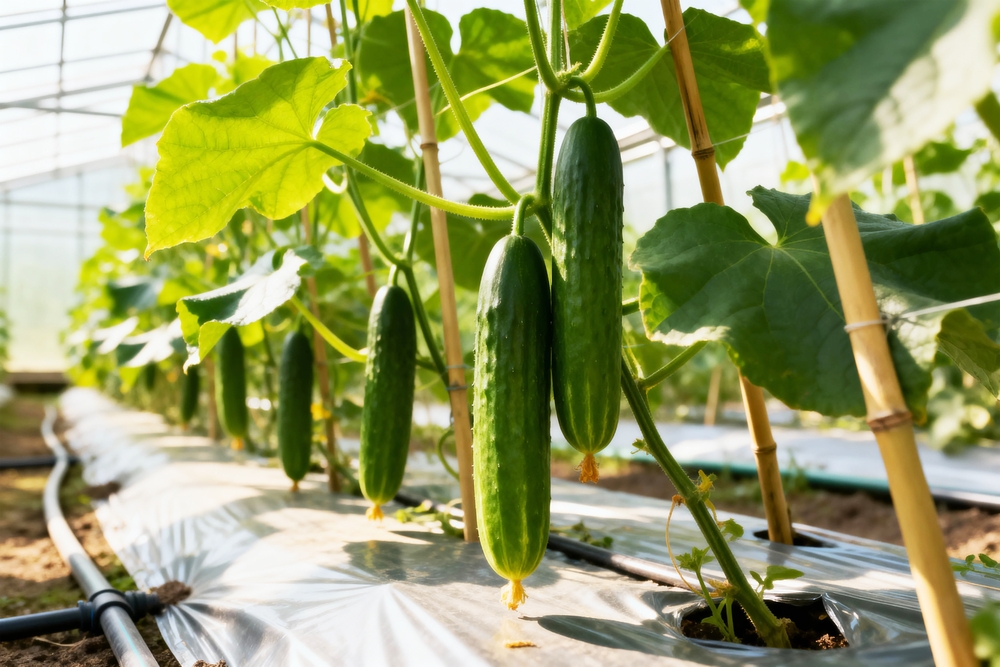
Cucumbers make excellent candidates for seed starting because they grow quickly once warm weather arrives. Direct-sow seeds after cold conditions have passed, or start them indoors briefly if the growing season demands an earlier start. Give cucumber vines plenty of sunlight, consistent moisture and room to spread, unless a trellis keeps them growing upward. Trellising can also improve airflow and keep developing fruit off the ground.
Harvest cucumbers while they remain young and tender, because oversized fruit can develop tougher texture and larger seeds. Frequent picking also prevents the plant from spending too much energy developing mature fruit. Compact bush varieties can suit containers and small gardens, while vining varieties can produce impressive harvests when gardeners provide support. One successful cucumber plant can quickly turn into a serious pickle-making situation.
10. Zucchini
Zucchini has earned its reputation for producing generously, which makes it a natural choice for a budget-minded vegetable garden. Plant the seeds directly into warm soil and give each plant enough room for its broad leaves. Gardeners can harvest the fruits while they remain relatively small for tender texture and easy cooking. Check the plants frequently because zucchini can go from perfectly sized to baseball-bat territory with startling speed.
That heavy production can make zucchini particularly economical when gardeners have several ways to use it. Grill it, sauté it, shred it into baked dishes or preserve some for later use rather than letting an enormous harvest go to waste. Powdery mildew and other garden problems can appear, so good spacing and airflow matter. For gardeners willing to keep up with harvesting, zucchini can turn a handful of seeds into an impressively productive patch.
Make the Seed Packet Earn Its Keep
Growing vegetables from seed does not eliminate every gardening expense, since soil amendments, containers, water, tools and other supplies can add to the overall cost. Still, choosing productive vegetables and starting them from seed can dramatically reduce the price of each harvest compared with repeatedly buying fresh produce. The biggest savings usually come from vegetables that produce repeatedly, grow quickly or offer more than one edible part. Lettuce, beans, peas, carrots, beets, leafy greens, cucumbers and zucchini all give gardeners plenty of opportunities to turn a small investment into food.
The smartest garden does not necessarily contain the most plants. It contains vegetables that the household actually eats, varieties suited to the growing conditions and crops that gardeners can harvest before they spoil. Start with a few dependable choices, save seeds when the variety and local conditions make that practical, and plant successive crops when space allows.
Which vegetable gives the biggest payoff in your garden, and which one would you recommend growing from seed to save money?
You May Also Like…
6 Ways to Save Seeds Without Ruining Next Year’s Germination
Ordered Seeds on Amazon? You May Not Know What You’re Actually Planting
Those Beautiful Seeds You Found Online May Be Fake — Here’s How to Tell
6 Signs Garden Soil Is Too Warm for Newly Sown Seeds
Why Seeds Fail to Sprout Even in Ideal Conditions

Brandon Marcus is a staff writer for FrugalGardening.com at District Media, Inc., where he delivers practical gardening advice with a relatable, no-nonsense style. An avid amateur gardener, he holds a BA degree and with over ten years of professional writing experience, he is also an award-winning published author whose first book, Questions For Deep Thinkers, was released by Adams Media. His work has appeared in major publications including Fandom.com, CHUD.com, TheColdWire.com, and Fansided.com.
Leave a Reply