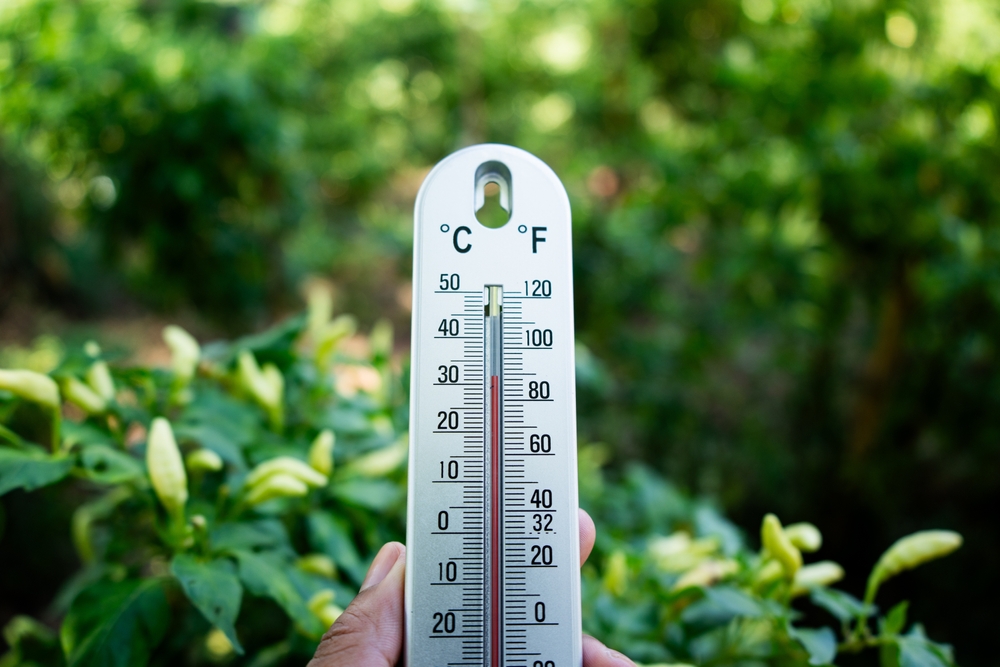
A heat wave can turn a productive garden into a collection of wilted leaves surprisingly fast, but cranking up the hose is not the only solution. A few changes to shade, soil, watering habits, and plant placement can reduce heat stress while helping every drop of water do more work.
This involves protecting the moisture already sitting in the soil instead of constantly replacing what the sun takes away. That approach can help vegetables, flowers, herbs, and young plants get through hot spells without turning the garden hose into the household’s most enthusiastic water consumer.
1. Put Mulch to Work
Bare soil has a rough job in intense summer heat because sunlight can heat the surface and encourage moisture to evaporate. A layer of organic mulch, such as shredded leaves, straw, or finished compost, creates a useful buffer between the soil and the afternoon sun. Keep the mulch a few inches away from plant stems to reduce the risk of rot and discourage pests from taking up residence against the plant. Mulch also helps reduce temperature swings around plant roots, which can make hot weather less stressful. The garden does not need a mountain of mulch either, because an even layer several inches thick usually provides plenty of protection.
There is another benefit hiding underneath that mulch blanket: less frequent watering. When water stays in the soil longer, gardeners can often avoid the frustrating cycle of watering thoroughly only to watch the surface dry out again the next afternoon. Organic mulch can also break down over time and contribute organic matter to the soil, although it should not replace regular soil-building practices. Straw works particularly well around vegetable plants because it covers soil without forming the dense mat that some grass clippings can create. Think of mulch as the garden’s sun hat, except considerably less fashionable.
2. Water Deeply Instead of Constantly
A garden can look thirsty even when the soil below the surface still contains usable moisture. Instead of automatically watering every time leaves droop during the hottest part of the afternoon, check the soil several inches down with a finger or trowel. If the soil remains moist below the surface, another soaking may accomplish little beyond wasting water. When plants genuinely need water, apply it slowly and deeply enough to moisten the root zone rather than sprinkling the surface repeatedly. Deep watering encourages roots to explore the soil where moisture lasts longer.
Timing matters, too, because a garden watered during the coolest part of the morning loses less water to immediate evaporation than one watered under blazing afternoon sunshine. Early morning also gives foliage time to dry, which can reduce conditions that encourage some fungal diseases. Soaker hoses and drip irrigation can deliver water close to the soil instead of sending droplets into the air or onto foliage. A simple hose nozzle can work well too when gardeners apply water gently and deliberately at the base of plants. The goal is not to water more often, but to make each watering count.
3. Give Plants Some Afternoon Shade
Some plants appreciate sunshine right up until the thermometer starts acting ridiculous. Temporary shade during the hottest afternoon hours can lower the amount of direct solar radiation hitting leaves and reduce heat stress, particularly for tender plants and crops that struggle during extreme temperatures. Shade cloth can provide controlled protection without blocking all available light, and gardeners can remove or adjust it when temperatures moderate. An old patio umbrella can also help in a pinch, provided it does not topple onto the plants during wind. Even a strategically positioned taller plant can cast useful afternoon shade on a smaller crop.
The key involves avoiding too much shade for plants that need strong sunlight to produce flowers or fruit. Tomatoes, peppers, cucumbers, and many other vegetables still need adequate light, so covering everything from morning until evening can create a different problem. Concentrate protection on the hottest portion of the day when extreme heat threatens to damage foliage or interfere with flowering and fruit set. Young transplants deserve particular attention because their root systems remain relatively small. A little temporary shade can make a surprisingly big difference without adding a single extra watering.
4. Stop Mowing Grass Too Short
A lawn can become part of the garden’s heat problem when gardeners scalp it during hot weather. Taller grass blades provide more shade for the soil surface, which helps reduce evaporation and keeps the root zone from heating as quickly. Raising the mower height slightly can therefore help the lawn hold moisture longer between waterings. Sharp mower blades also make cleaner cuts, which reduces unnecessary stress on grass during difficult weather. The exact mowing height depends on the grass species, so the best setting follows the needs of the particular lawn rather than a one-size-fits-all rule.
Grass also benefits from avoiding the temptation to remove every clipping after mowing. When the lawn does not need collection, leaving short clippings in place can return moisture and nutrients to the soil as they break down. Those clippings should not form thick piles that smother the grass, however. During severe heat, skipping an unnecessary mowing session can make sense if the grass has not grown enough to require cutting. The lawn does not win a prize for looking freshly buzzed when the weather feels like a hair dryer.
5. Improve Soil Before the Next Heat Wave
Water conservation starts long before the forecast turns hot. Soil rich in organic matter generally holds water more effectively than extremely sandy soil, while heavy clay can benefit from organic amendments that improve structure and drainage. Adding compost regularly can help create a soil environment that stores moisture while still allowing air to reach plant roots. Gardeners should work amendments into the soil based on their soil type and the needs of their plants rather than dumping large quantities around established roots. A soil test can also reveal whether the garden actually needs a particular amendment.
Improving soil cannot solve an immediate heat emergency, but it can make future hot spells easier to manage. Healthy soil structure gives roots access to both moisture and oxygen, which matters when plants face environmental stress. Raised beds, containers, and newly planted areas deserve special attention because their soil can dry faster than established in-ground beds. Container gardeners can also group pots together so their foliage creates a little shared shade around the containers. The best water-saving garden often starts with soil that refuses to give up moisture unnecessarily.
6. Group Plants With Similar Water Needs
A thirsty cucumber does not make the best roommate for a drought-tolerant herb. Grouping plants according to their water needs makes irrigation more precise because gardeners can give each area the amount of moisture it actually requires. Vegetables that produce lots of leaves or fruit often need more consistent moisture than established ornamental plants adapted to dry conditions. Keeping those categories separate also prevents overwatering one group simply because another group needs a drink. Garden design can therefore save water before the first drop reaches the hose.
Plant spacing matters here as well. Crowding plants can increase competition for water, while excessive spacing leaves more soil exposed to sunlight and evaporation. Follow the recommended spacing for each crop and use mulch to cover the remaining bare soil. Container plants can sit together according to their watering needs rather than their appearance, even if that means sacrificing a little garden-design perfection. A water-efficient garden does not need to look like a spreadsheet, but its plants should have compatible habits.
7. Water Containers Differently
Containers deserve their own heat strategy because pots can dry much faster than garden beds. Dark containers can absorb substantial solar heat, while small pots contain less soil and therefore hold less available moisture. Moving containers away from intense afternoon sun, grouping them together, or using a larger light-colored pot can reduce some of that heat load. Gardeners can also place containers where nearby structures provide afternoon shade without completely blocking the morning sun. These simple moves often prove more effective than repeatedly adding small amounts of water.
Check container moisture below the surface rather than judging by how the pot looks from above. Water thoroughly when the plant needs it, allowing excess water to drain from the container, because constantly keeping roots saturated can create oxygen problems. Containers also benefit from quality potting mix that holds moisture while maintaining drainage. A saucer can catch some runoff for certain outdoor containers, but gardeners should avoid leaving plants sitting in stagnant water for extended periods. Pots may be portable, but their watering needs can become surprisingly demanding when summer turns fierce.
8. Protect Roots, Not Just Leaves
Wilted foliage attracts attention, but the real battle often happens underground. Keeping the root zone cooler and consistently moist can help plants handle hot weather more effectively than repeatedly misting their leaves. Mulch, appropriate shade, good soil structure, and deep watering all work toward that same goal. Avoid cultivating or disturbing soil unnecessarily during extreme heat because breaking the surface can expose additional moisture to evaporation. The roots need a stable environment, not constant attention.
This approach also helps gardeners avoid one of the most common summer mistakes: reacting to every wilted leaf with another round of watering. Plants can wilt temporarily during intense heat even when the soil contains moisture, especially when their leaves lose water faster than their roots can replace it. Check the soil first, look at the plant’s overall condition, and consider whether the plant receives harsh afternoon sun. If the soil remains dry at root depth, water thoroughly; if it remains moist, shade and patience may serve the plant better. Good heat protection often means doing less, but doing the right things at the right time.
Make Every Drop Pull Its Weight
Hot weather does not require a garden to become a water guzzler. Mulch, smarter watering, temporary shade, better soil, sensible plant grouping, and attention to roots can all reduce the amount of water that disappears before plants can use it. The biggest gains often come from preventing moisture loss rather than simply increasing the water supply. That shift can keep plants more comfortable while making garden maintenance a little less frantic when the forecast turns brutally hot. A hose should help the garden, not become its full-time caretaker.
Which of these heat-saving tricks has made the biggest difference in your garden during hot weather?
You May Also Like…
The Backyard Gardening Rule That Could Save You Hundreds on Water Bills
Understanding Native Plants That May Lower Watering Needs Over Time
How Much Water Does a Garden Need During Late-Summer Heat?
6 Gutter-Free Ways to Catch Rainwater From a Garden Shed
Why Overwatering Is More Dangerous Than Underwatering

Brandon Marcus is a staff writer for FrugalGardening.com at District Media, Inc., where he delivers practical gardening advice with a relatable, no-nonsense style. An avid amateur gardener, he holds a BA degree and with over ten years of professional writing experience, he is also an award-winning published author whose first book, Questions For Deep Thinkers, was released by Adams Media. His work has appeared in major publications including Fandom.com, CHUD.com, TheColdWire.com, and Fansided.com.
Leave a Reply