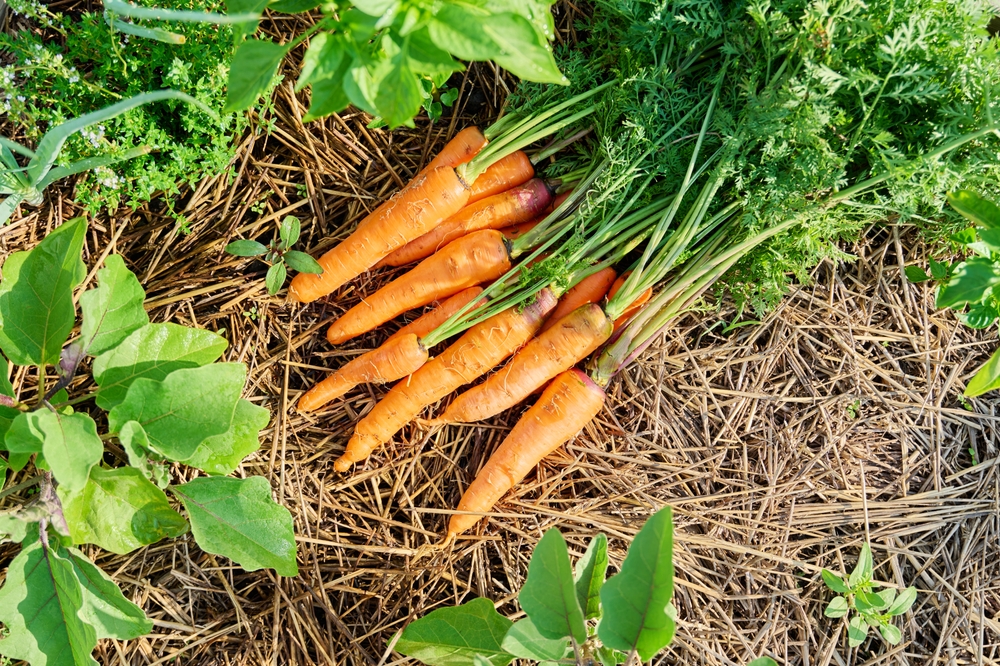
Summer gets all the vegetable-garden glory, but fall quietly has a few tricks of its own. As nights get colder, kale, carrots, spinach, broccoli, cabbage, beets, and radishes can keep producing when heat-loving tomatoes, peppers, and beans start calling it quits.
The secret lies in choosing crops that actually like cool weather instead of trying to bully summer vegetables through September. Many of these plants tolerate light frost, and some can even taste better after chilly weather rolls through. The trick comes down to timing, variety, and knowing the difference between a crisp autumn night and a genuine freeze.
1. Kale Laughs at a Little Cold
Kale might look delicate enough to belong in a salad bowl and nowhere near a chilly garden, but this leafy vegetable ranks among the tougher characters in the fall patch. University of Minnesota Extension lists kale among the hardiest cool-season vegetables, with plants capable of surviving temperatures down to about 20°F under suitable conditions.
That makes kale particularly useful when the weather starts bouncing between pleasant afternoons and downright rude mornings. Sow or transplant it early enough to establish before temperatures plunge, then keep harvesting the outer leaves as the plant continues producing fresh growth.
Kale also offers a delicious little plot twist because cool weather can improve its flavor. A light frost can make the leaves taste sweeter, which turns an autumn cold snap from garden nuisance into culinary bonus. Just remember that cold tolerance does not equal invincibility, and prolonged severe freezes can still damage plants.
2. Carrots Prefer the Chilly Side
Carrots do not need a long, warm autumn to finish their job, and cooler weather can actually improve the eating experience. As temperatures fall, carrots can convert some stored starches into sugars, which helps explain why a carrot harvested after cool weather can taste noticeably sweeter.
Fall carrots also give gardeners a useful advantage: the roots stay tucked underground while the weather gets messy above the soil. University of Minnesota Extension classifies carrots as crops that tolerate frost at maturity, although gardeners should still protect roots if they expect prolonged freezing conditions.
The catch comes with timing because carrots need enough growing time to develop usable roots. Choose a variety that matches the remaining season, keep the soil consistently moist during germination, and remember that cool weather slows growth. A layer of mulch can also help moderate soil temperatures while making late-season harvesting much more pleasant.
3. Spinach Does Not Mind Sweater Weather
Spinach practically seems designed for the fall garden, especially after summer heat has made growing tender greens frustrating. That makes a late-season spinach bed a smart way to squeeze another harvest from space that once held a summer crop. Direct-sow it according to the timing recommended for the local climate, because seeds still need suitable soil conditions to germinate even though mature plants handle cold well.
The big advantage comes from escaping the heat that can push spinach toward bolting. Cool fall weather generally creates much friendlier conditions for producing tender leaves, while a hard freeze still calls for protection if harvests need to continue. A simple row cover can buy valuable time when winter starts knocking on the door.
4. Broccoli Gets Better as Summer Lets Go
Broccoli has a complicated relationship with heat, and fall often gives it exactly what it wants. The timing matters because broccoli needs enough warm-weather growth to build a substantial plant before cooler temperatures arrive. Once the weather cools, however, the developing heads benefit from conditions that generally suit this cool-season crop better than blazing summer temperatures.
There is another reason to keep broccoli in the fall rotation: harvesting the main head does not necessarily end the plant’s career. Leave the lower portion in place after cutting the central head, and smaller side shoots can develop for additional harvests. Just watch those heads closely because once the flower buds begin opening, quality drops quickly.
5. Cabbage Can Take a Chilly Punch
Cabbage belongs to the same tough group as kale and other brassicas, so a few cold nights usually do not send it into immediate retirement. That toughness makes cabbage particularly handy for gardeners who want something substantial rather than another bowl of salad greens. Savoy cabbage deserves special attention because its crinkled leaves can offer excellent cold tolerance, although variety still matters.
Fall cabbage does require planning because heads take time to develop. Start transplants or seeds early enough for the particular variety to reach maturity before serious winter weather arrives. Once the heads reach usable size, harvest them promptly rather than gambling on increasingly harsh conditions.
6. Beets Keep Working Underground
Beets bring a clever bit of garden engineering to the fall season because their edible roots develop beneath the soil while their leafy tops handle cool weather. University of Minnesota Extension lists beets as capable of surviving temperatures in the high 20s, while Penn State notes that their roots can become sweeter as frost approaches.
That underground hiding spot also gives beets some protection from brief cold snaps. The plants still need adequate time to develop, so late planting requires a variety and schedule that fit the local growing season rather than wishful thinking.
A mulch layer can help protect roots as temperatures continue falling, particularly when gardeners want to extend the harvest. Beet greens also deserve a place on the plate, so harvesting does not have to mean waiting for the roots alone. Pull the largest roots first and allow smaller ones to keep sizing up when the weather permits.
7. Radishes Make a Fast Fall Comeback
Radishes might not look like a dramatic autumn crop, but their speed makes them incredibly useful when summer beds open up. That quick turnaround can fill a garden gap after cucumbers, beans, or early greens finish producing. Fall weather also helps radishes avoid some of the heat-related problems that can make spring or summer roots overly pungent, woody, or prone to bolting.
The key lies in keeping the soil evenly moist while the roots develop. Radishes grow quickly when conditions cooperate, so check them frequently instead of assuming they need another week. Once temperatures approach a hard freeze, harvest the mature roots rather than leaving them to face frozen soil indefinitely.
The Fall Garden Has More Gas Left in the Tank
A cooling forecast does not automatically mean the vegetable garden has reached its final curtain. Kale, carrots, spinach, broccoli, cabbage, beets, and radishes all offer different ways to keep harvesting after warm-season crops surrender to the cold, although each crop still needs planting dates suited to the local climate.
The smartest fall gardens work backward from the expected first frost, allowing enough time for crops to mature before serious cold arrives. Gardeners can also extend the season with row covers, low tunnels, cold frames, or other simple protection when temperatures start pushing the limits.
Most importantly, do not confuse “frost tolerant” with “freeze proof.” A light frost may barely faze a mature cool-season crop, while prolonged freezing temperatures can damage even the toughest vegetables. With the right crops and a little attention to timing, however, autumn can turn the vegetable garden into something far more productive than a place where summer plants go to die.
Which of these fall vegetables has earned a permanent spot in your garden, and which one surprised you with its cold tolerance?
You May Also Like…
Could a Cold Frame Be Useful Before Cold Weather Arrives?
8 Crops That Can Be Harvested Well Into Chilly Weather
The Frost-Proof Secret: Protecting Your $2 Plants from a Random Cold Snap
How to Protect Seedlings From Cold Nights Without Buying Covers
This DIY Cold Frame Design Is Collapsing Under Snow — And Causing Injuries

Brandon Marcus is a staff writer for FrugalGardening.com at District Media, Inc., where he delivers practical gardening advice with a relatable, no-nonsense style. An avid amateur gardener, he holds a BA degree and with over ten years of professional writing experience, he is also an award-winning published author whose first book, Questions For Deep Thinkers, was released by Adams Media. His work has appeared in major publications including Fandom.com, CHUD.com, TheColdWire.com, and Fansided.com.
Leave a Reply