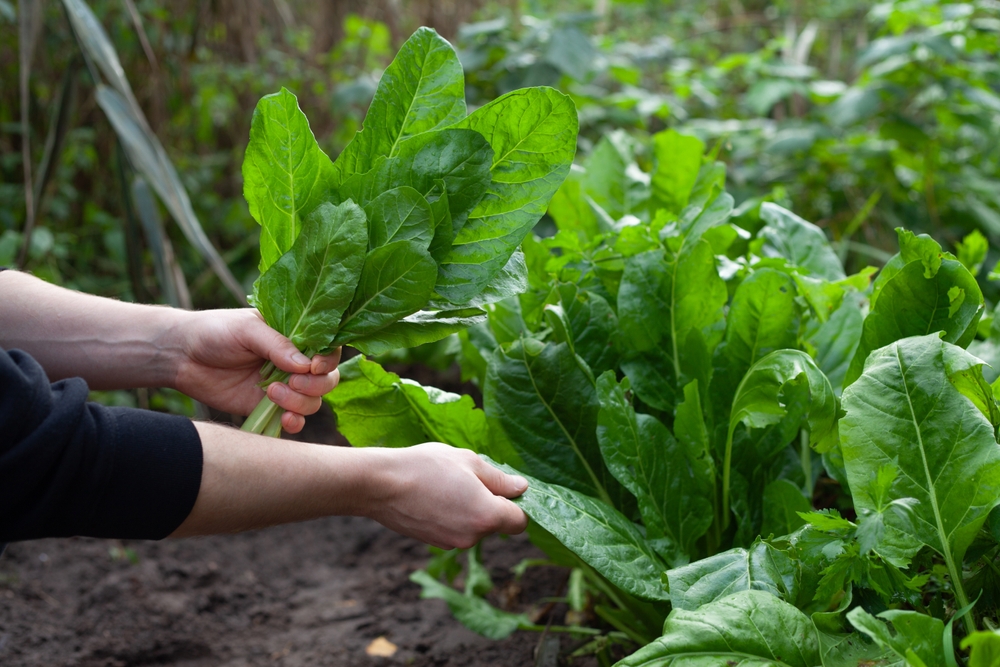
September gets an unfair reputation in the vegetable garden. The tomatoes may look tired, the cucumber vines may resemble tangled shoelaces, and the squash plants may have reached the stage where every leaf looks like it has seen some things. But that does not mean the garden has run out of useful work. In many parts of the country, September offers a valuable window for planting cool-season vegetables that actually prefer the shorter days and cooler temperatures of fall.
It involves choosing the right crops and giving them enough time to establish before cold weather slows growth. Lettuce, spinach, radishes, arugula, turnips, kale, and several other vegetables can fit into a fall garden, although the exact timing depends heavily on local weather and the crop itself. A gardener in one region may still have plenty of planting opportunities while another gardener a few states away needs to shift toward winter preparation, so the calendar alone cannot make the decision.
September Can Still Be Prime Vegetable-Planting Territory
September planting works because many vegetables have completely different preferences from tomatoes and peppers. Cool-season crops handle chilly nights much better than warm-season vegetables, and some can tolerate light frost without throwing in the towel. University of Maryland Extension lists crops such as kale, spinach, lettuce, arugula, turnips and radishes among useful fall choices, with some capable of producing harvests well into autumn.
That does not mean every September planting will succeed, however. Falling temperatures and shorter days slow plant growth, so seeds and young plants need enough time to establish before conditions become genuinely cold. A September planting can therefore work beautifully in one location and fail miserably in another, even when the gardeners plant on the same day. The smartest approach starts with the local first-frost date, the crop’s days-to-maturity information and the actual weather forecast rather than a generic national gardening calendar.
Choose Vegetables That Like the Fall
Radishes make one of the easiest September choices because they grow quickly and tolerate cool conditions. Leaf lettuce, arugula, spinach and some Asian greens also make sense when the goal involves harvesting something fresh before winter shuts down the garden. Kale deserves special attention because it tolerates cold well and can continue producing after many summer vegetables have packed their bags. University of Maryland Extension also identifies broccoli, cabbage, turnips, bok choy, mizuna and tatsoi as useful fall crops, although several of those crops need an earlier start or transplants to reach maturity before cold weather arrives.
Timing matters even more for crops that take longer to mature. A packet might advertise a certain number of days to maturity, but fall conditions can stretch that timeline because cooler temperatures and reduced daylight slow growth. That makes a quick crop such as a radish a much safer late-season gamble than a head of cabbage started from seed in September. If a garden center still has healthy kale or lettuce transplants, those plants can also give a late-season garden a useful head start.
Seeds Need More Help as the Season Changes
September soil can create a strange little gardening paradox. The air may feel pleasantly cool while the soil still holds plenty of summer heat, which can make some lettuce and spinach seeds reluctant to germinate. University of Maryland Extension notes that lettuce and spinach seeds struggle to germinate when soil temperatures climb above 70°F, so waiting for the soil to cool can make a major difference.
Once seeds go into the ground, consistent moisture becomes especially important during germination. A seedbed that dries out repeatedly can lose seedlings before they get established, particularly when late-summer sun still packs some punch. A thin layer of compost over the planting area can improve the bed without requiring a complicated renovation, while mulch around established plants can help conserve moisture and suppress new weeds. For gardeners planting later in the season, healthy transplants can sometimes make more sense than starting slow-growing crops from seed.
Frost Does Not Automatically Mean Game Over
A forecast calling for frost can sound like a giant red stop sign, but vegetables handle cold very differently. Kale, spinach, lettuce, turnips, and several other cool-season crops can tolerate frost, while more tender warm-season vegetables such as peppers, cucumbers and tomatoes can suffer serious damage when temperatures fall. Some cool-season crops even develop sweeter flavors after exposure to cold because the plants convert stored starches into sugars.
Gardeners can also buy additional time with simple protection. Floating row cover can shelter plants from cold overnight temperatures, and cold frames can create a more protected growing environment as autumn deepens. Row cover does not magically turn January into July, but it can help extend the harvest window when a garden sits on the edge of a useful growing season. Just remember that covered plants still need adequate light, moisture, and ventilation, especially when daytime temperatures climb.
The First Frost Date Is More Useful Than the Calendar
The biggest mistake with September planting involves treating September 1, September 15 and September 30 as if they mean the same thing everywhere. They do not. Fall planting schedules depend on local temperatures, daylight, crop maturity time and the expected arrival of damaging cold, which makes a local frost date far more useful than a broad rule such as “plant in September.”
A practical way to plan involves working backward from the intended harvest. Start with the crop’s listed days to maturity, then allow extra time because fall growth slows as daylight decreases and temperatures drop. University of Maryland Extension recommends adding a 14-day short-day adjustment when calculating fall planting dates, which illustrates why simply reading the seed packet and counting backward can produce an overly optimistic schedule.
Give That Empty Garden Bed a Second Act
A finished tomato or bean bed does not need to sit empty until spring. Once an old crop stops producing, remove diseased plant material, clear weeds, add a modest layer of compost and make room for vegetables suited to the remaining season. Succession planting lets gardeners move from warm-season crops into cool-season crops, turning the same patch of soil into more than a one-season production zone.
The September garden also offers a chance to think beyond one final harvest. Some cold-tolerant vegetables can continue producing late into fall, while spinach, kale, arugula and certain other crops can survive winter with protection in suitable climates and resume growth later. Garlic and shallots also enter the conversation in fall, although they follow a different schedule because gardeners plant them for harvest in the following growing season.
September Is a Deadline for Some Crops, Not the Whole Garden
The answer to “Is it too late?” depends less on the month and more on the vegetable, location and remaining growing conditions. September may be too late for starting certain long-season crops from seed, but it can still offer an excellent opportunity for quick-growing greens, radishes and other cool-weather vegetables. Even when a crop cannot reach full maturity before winter, a healthy young plant can sometimes provide useful greens or continue growing under protection.
Which vegetables are you still planting in September, and which fall crops have given you the best harvest?
You May Also Like…
Your Fall Garden Could Be Cheaper to Start Than Your Spring Garden
A Practical Guide to Garden Purchases That Are Usually Cheaper After Peak Season
9 Vegetables You Can Still Plant in September for a Fall Harvest
7 Herbs That Keep Producing After Summer Vegetables Slow Down
6 Soil Tests Worth Doing Before You Buy Fall Fertilizer

Brandon Marcus is a staff writer for FrugalGardening.com at District Media, Inc., where he delivers practical gardening advice with a relatable, no-nonsense style. An avid amateur gardener, he holds a BA degree and with over ten years of professional writing experience, he is also an award-winning published author whose first book, Questions For Deep Thinkers, was released by Adams Media. His work has appeared in major publications including Fandom.com, CHUD.com, TheColdWire.com, and Fansided.com.
Leave a Reply