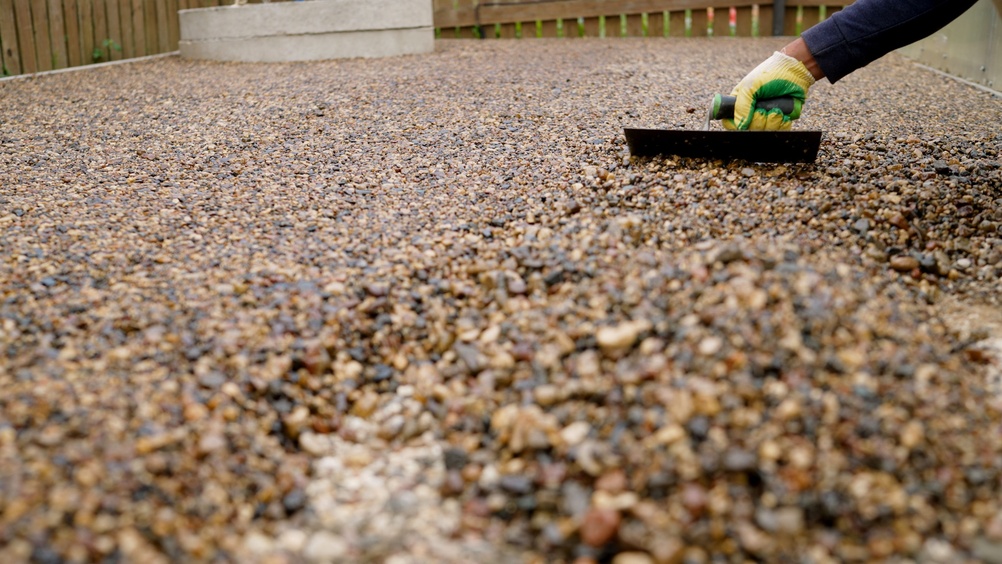
A gravel garden does not have to look like a parking lot with a few plants awkwardly dropped into the middle. The right plants can make all that stone feel intentional, layered, colorful, and surprisingly lush without demanding constant watering or a full-time gardener with a wheelbarrow.
The trick involves choosing plants that bring different shapes to the landscape. Tall flowers create movement, rounded foliage softens hard edges, and spreading plants can weave through the gravel like living fabric. Pick the right combination, and a garden built from rocks suddenly develops the kind of personality that makes people stop and look twice.
1. Lavender Brings Color, Fragrance, and a Little Drama
Lavender makes an excellent gravel-garden plant because it enjoys excellent drainage and handles dry conditions once established. Its narrow gray-green foliage looks right at home among pale stone, while purple flower spikes add a strong vertical accent without making the planting feel fussy.
The plant also brings fragrance to a space that might otherwise rely mostly on visual interest. Place lavender near a walkway or patio where passing hands and warm afternoon air can release its scent. English lavender generally handles colder conditions better than some tender types, so gardeners should choose a variety suited to their local climate and avoid planting it in soggy soil, which can quickly lead to root problems.
2. Ornamental Grasses Add Movement Without Making a Mess
Ornamental grasses can make a gravel garden feel fuller because their fine leaves create texture that rocks simply cannot provide. Blue fescue offers tidy, rounded clumps of cool-colored foliage, while other drought-tolerant grasses can create taller, more animated shapes that sway in the breeze.
The best choices depend on the climate and the garden’s moisture levels, but the design principle stays simple: use grasses to break up broad stretches of stone. Their foliage can soften the edges of larger boulders and create a visual transition between low-growing plants. Cut back many deciduous ornamental grasses in late winter or early spring, but check the needs of each variety before reaching for the shears.
3. Yarrow Turns a Gravel Bed Into a Pollinator Stop
Yarrow brings flat flower clusters, fernlike foliage, and a relaxed cottage-garden feeling to a gravel landscape. Its flowers can appear in shades such as white, yellow, pink, and red, depending on the cultivar, giving gardeners plenty of room to match a particular color scheme.
The plant also handles dry soil well once its roots establish, making it a useful choice for sunny spaces with excellent drainage. Yarrow can spread through rhizomes and may need occasional thinning if it begins wandering beyond its intended area. That habit can prove useful in a large planting bed, but gardeners with a smaller space should give it room and keep an eye on its growth.
4. Catmint Makes Gravel Look Softer and More Generous
Catmint brings a loose, billowing shape that can make a gravel garden look far more abundant than its hardscape might suggest. Its gray-green foliage pairs beautifully with stone, and its lavender-blue flowers create a cool splash of color that attracts bees and other pollinators.
This plant also handles sunny, relatively dry conditions and often blooms for a long stretch when gardeners remove spent flower spikes. Catmint can spill over the edges of paths and retaining walls, which creates a wonderfully relaxed effect instead of a rigid row of plants. Give it enough room to spread, because squeezing a naturally generous plant into a tiny space usually creates more pruning work than anyone ordered.
5. Sedum Brings Succulent Texture to the Stone
Sedums offer one of the easiest ways to make a gravel garden look packed with texture. Low-growing varieties can creep between stones, while taller types produce fleshy foliage and clusters of small flowers that add another layer of interest later in the season.
Their succulent leaves help them handle periods of dry weather, although gardeners still need to provide appropriate care while new plants establish. Sedum generally dislikes consistently wet soil, so gravel gardens with sharp drainage suit it well. Use low sedums near pathways and larger clumping types farther back in the bed to create a gradual change in height rather than a collection of plants all sitting at the same visual level.
6. Agastache Adds Height, Color, and Hummingbird Appeal
Agastache, often called hyssop, gives a gravel garden a strong vertical accent with its upright flower spikes and aromatic foliage. Depending on the variety, flowers may appear in shades of purple, pink, orange, or red, creating a bright focal point in a landscape that could otherwise lean heavily toward gray and green.
The plant prefers sun and well-drained soil, and many varieties handle dry conditions after establishment. Its tubular flowers attract hummingbirds and a variety of pollinators, adding movement that goes beyond the plants themselves. Choose varieties suited to the local climate, since some agastache types handle cold winters much better than others, and avoid heavy, wet soil that can cause problems during the dormant season.
The Secret to a Gravel Garden That Looks Full
A lush-looking gravel garden does not come from cramming every available plant into one bed. It comes from layering shapes, textures, heights, and bloom times so the landscape keeps offering something to notice even when one plant finishes flowering.
Start with a few structural plants, add mounding foliage, then tuck lower-growing species into open spaces around the stone. Leave enough room for mature growth, because a plant that looks tiny at the garden center can become a surprisingly enthusiastic neighbor after a season or two. With lavender, ornamental grasses, yarrow, catmint, sedum, and agastache in the mix, gravel can stop looking like empty space and start looking like the backdrop for a living, textured garden.
Which of these plants would make the best addition to your gravel garden, and what other low-maintenance plant would you add to the list?
You May Also Like…
Could a Gravel Garden Cut Watering Without Looking Bare?
7 Garden Crops That Benefit From a Second Sowing
Can a Garden Journal Help You Spend Less Next Season?
Drought‑Resistant Herbs and Spices: Rosemary, Thyme and Sage Thrive with Minimal Water
The Backyard Trend That’s Making Neighborhoods More Social

Brandon Marcus is a staff writer for FrugalGardening.com at District Media, Inc., where he delivers practical gardening advice with a relatable, no-nonsense style. An avid amateur gardener, he holds a BA degree and with over ten years of professional writing experience, he is also an award-winning published author whose first book, Questions For Deep Thinkers, was released by Adams Media. His work has appeared in major publications including Fandom.com, CHUD.com, TheColdWire.com, and Fansided.com.
Leave a Reply