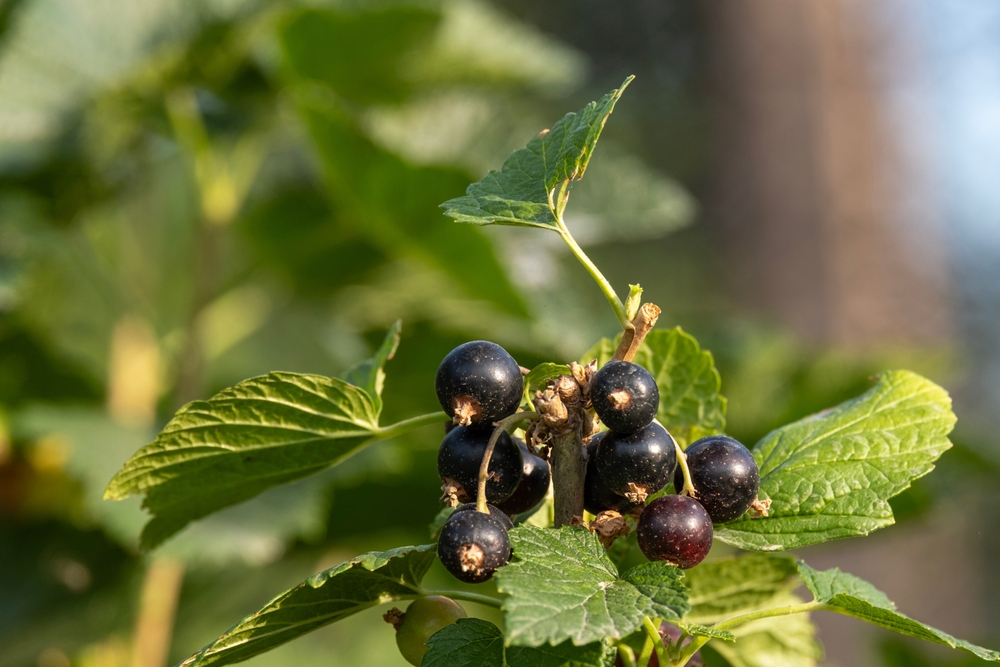
Move over blueberries, because blackcurrants bring a bold flavor and a fascinating garden story that could put them on more backyard planting lists. These small, dark berries pack a punch with their rich taste, impressive nutrition profile, and surprisingly practical growing habits.
Many gardeners search for plants that offer more than a pretty flower, and blackcurrants deliver a harvest that can go straight from the branch into jams, desserts, sauces, and smoothies. This old-fashioned fruit deserves a fresh look because it combines history, usefulness, and a little backyard curiosity.
1. Blackcurrants Bring Big Flavor From a Small Berry
Blackcurrants offer a unique taste that mixes tartness, sweetness, and a deep berry flavor that stands apart from familiar garden fruits.
The berries grow in clusters on shrubs, making harvest time feel like a small backyard treasure hunt rather than a routine chore.
Gardeners who enjoy homemade recipes can turn blackcurrants into jams, syrups, baked goods, and refreshing drinks with a distinctive flavor.
Fresh blackcurrants can taste sharp when eaten straight from the bush, but cooking often softens their tangy edge and brings out their rich character.
Their intense flavor gives home cooks an exciting ingredient that rarely appears in ordinary grocery store produce sections.
2. These Shrubs Offer Strong Nutrition Without Taking Much Space
Blackcurrants contain vitamin C, anthocyanins, and other plant compounds that make them an interesting addition to a home food garden.
The dark purple color comes from natural pigments that also create the berry’s signature appearance. A few shrubs can provide a meaningful harvest for families who want to add more homegrown foods to their kitchens.
Blackcurrants also fit nicely into smaller landscapes because they grow as compact shrubs rather than sprawling vines or large trees.
A gardener can place them along a fence, near a vegetable bed, or in an edible landscape design without giving up an entire corner of the yard.
3. Blackcurrants Can Handle Cooler Garden Conditions
Blackcurrants suit many northern gardens because they handle cold winters better than many tender fruit plants. The shrubs enter dormancy during winter, then return with fresh growth when warmer weather arrives. This quality makes them appealing for gardeners who struggle with plants that cannot handle harsh seasonal changes.
Gardeners still need to choose varieties that match their local climate and provide proper care throughout the growing season. Good sunlight, fertile soil, regular watering, and pruning help blackcurrant bushes produce healthier crops year after year.
4. These Berries Add Variety to the Backyard Harvest
Growing blackcurrants gives gardeners another option beyond the usual strawberries, raspberries, and blueberries. A diverse fruit garden creates a longer harvest season and keeps backyard food production interesting. Blackcurrants usually ripen in summer, giving gardeners another flavorful crop to collect during the warm months.
The shrubs also create attractive greenery before the berries appear, which adds value to ornamental and edible gardens. A backyard does not need to look like a farm row to produce useful food, and blackcurrants prove that point beautifully.
5. Blackcurrants Support Creative Homemade Foods
Blackcurrants shine when gardeners move beyond simply eating fresh fruit and start experimenting in the kitchen. Their bold flavor works well in sauces, baked treats, preserves, and beverages that need a little extra personality. Many traditional recipes across Europe feature blackcurrants because cooks appreciate their strong taste and versatility.
Home gardeners often discover that one harvest can inspire months of creative cooking projects. A freezer full of blackcurrants can become a source of winter desserts, breakfast toppings, and homemade gifts that feel far more special than store-bought options.
6. More Gardeners Are Rediscovering This Forgotten Favorite
Blackcurrants once faced restrictions in parts of North America because they helped spread white pine blister rust, a disease affecting certain pine trees. Many regions changed those rules after researchers developed resistant pine varieties and improved management practices. Gardeners should still check local regulations before planting because rules can vary by location.
The renewed interest in blackcurrants comes from gardeners searching for unusual crops with real benefits. This berry combines history, flavor, and garden practicality in a way that makes it a fascinating choice for modern edible landscapes.
Why Blackcurrants Deserve a Spot in Future Backyard Gardens
Blackcurrants bring together several qualities that make gardeners pay attention: great flavor, useful nutrition, and manageable growing habits.
They offer something different from the standard backyard berry lineup while still fitting into many home landscapes. Gardeners who enjoy experimenting with new crops may find blackcurrants especially rewarding because they provide both beauty and a useful harvest.
Before planting, check local growing recommendations and choose a variety suited to the area’s climate and soil conditions. With the right location and care, blackcurrants could become one of the most talked-about additions to backyard fruit gardens in the coming years.
Could blackcurrants become the next must-have backyard fruit in your garden, or do traditional berries still hold the top spot? Share your thoughts in the comments!
You May Also Like…
8 Fruits You Should Never Plant Too Close Together
Can Tabletop Tomatoes Produce Enough Fruit to Be Worth the Space?
Why Grass Clippings Can Carry Herbicide Into Vegetable Beds
7 Vegetables That Give You the Biggest Harvest for the Money
Why More Homeowners Are Planting Fruit Trees Again

Brandon Marcus is a staff writer for FrugalGardening.com at District Media, Inc., where he delivers practical gardening advice with a relatable, no-nonsense style. An avid amateur gardener, he holds a BA degree and with over ten years of professional writing experience, he is also an award-winning published author whose first book, Questions For Deep Thinkers, was released by Adams Media. His work has appeared in major publications including Fandom.com, CHUD.com, TheColdWire.com, and Fansided.com.
Leave a Reply