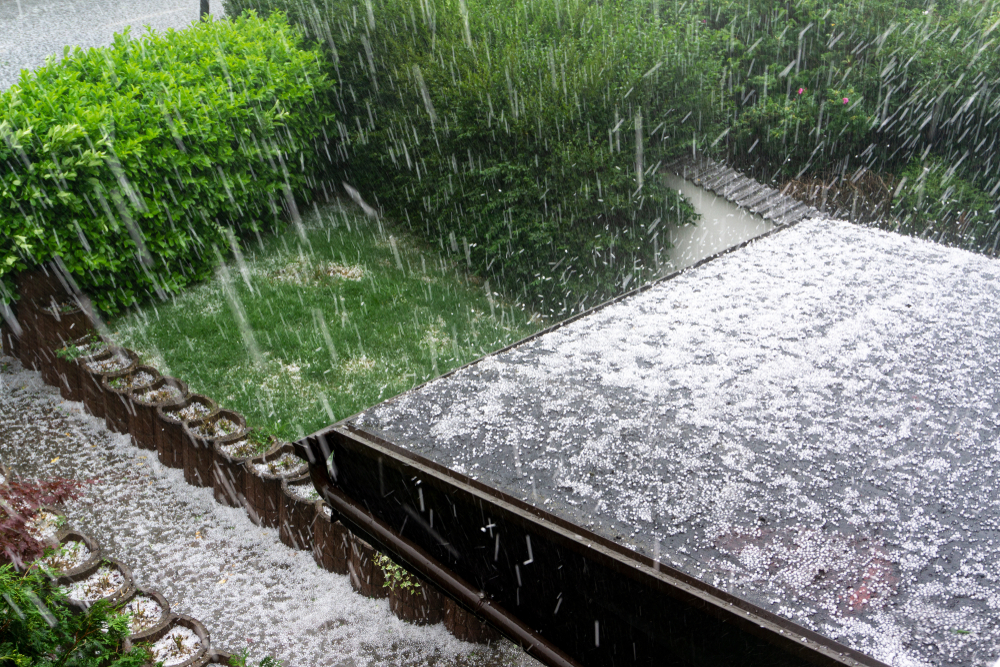
A hailstorm can turn a promising garden into a patchwork of torn leaves and broken stems in just a few minutes. Luckily, some crops have a remarkable ability to recover, and knowing which plants can bounce back helps gardeners save time, money, and plenty of fresh produce.
The secret comes down to plant structure, growth habits, and timing. Some vegetables act like tiny green comeback artists, pushing out fresh leaves after a rough storm while other plants struggle to regain their footing.
1. Leafy Greens Bounce Back With Fresh Growth
Leafy greens often rank among the fastest crops to recover because gardeners harvest the leaves instead of waiting for large fruits or roots. Lettuce, spinach, kale, and Swiss chard can continue growing after hail tears their outer leaves. A gardener should remove shredded leaves that sit on the soil because they can attract pests or create a messy environment. Fresh growth often appears from the center of the plant when the main growing point remains intact. These vegetables reward patience because a damaged patch can look much better after a little time and care.
Kale deserves special attention because its sturdy stems and tough leaves help it handle rough weather better than many delicate greens. Swiss chard also responds well when gardeners trim away battered leaves and allow new ones to develop. Gardeners should avoid heavy pruning after hail because removing too much green growth can slow the plant’s recovery. A light cleanup works better than a dramatic garden makeover. Sometimes the best storm response involves a small pair of scissors and a little restraint.
2. Bush Beans Can Surprise Gardeners After Storm Damage
Bush beans often recover quickly because their growing points sit close to the plant base and new shoots can replace damaged stems. Hail may leave bean leaves looking like they went through a tiny vegetable shredder, but healthy plants can send out fresh growth. Gardeners should check the stems before pulling plants because a bruised appearance does not always mean the crop has failed. Beans with flexible stems often handle wind and hail better than brittle plants. A few careful days of observation can reveal whether the crop still has plenty of life left.
After a storm, gardeners can remove severely damaged leaves and provide steady moisture while the plant repairs itself. Avoid adding heavy fertilizer immediately because stressed roots may struggle with a sudden nutrient surge. Once new leaves appear, beans can resume normal growth and continue producing pods. A row that looks defeated on Monday can show green recovery by the following week. This resilience makes beans a valuable choice for gardens in areas where summer storms appear without much warning.
3. Corn Can Regrow When the Growing Point Survives
Corn looks vulnerable after hail because its tall leaves can collect damage like a giant green umbrella caught in a storm. However, young corn plants often recover when hail does not destroy the central growing point below the soil surface. Gardeners should inspect whether the plant still produces a new leaf from the center before removing it. Older corn faces greater challenges because damaged stalks have less time to rebuild before harvest. The plant’s recovery depends heavily on its growth stage and the severity of the storm.
A gardener can help corn recover by keeping weeds under control and maintaining consistent soil moisture. Avoid bending or trying to straighten damaged stalks because that can create additional stress. Corn that stands upright with a healthy center often continues developing new leaves. Some damaged leaves may never look attractive again, but appearance does not always determine productivity. A storm-tattered corn patch can still produce a worthwhile harvest.
4. Tomatoes Often Rebound With Careful Cleanup
Tomato plants can look dramatic after hail because their large leaves and soft stems easily show every impact mark. Still, healthy tomato plants often recover if the main stem and roots remain strong. Gardeners should remove broken branches and damaged leaves with clean pruners to reduce the chance of disease problems. The plant may redirect energy toward new shoots and continue producing fruit during the season. Timing matters because late-season storms leave less recovery time than early summer storms.
Tomatoes need careful attention after hail because open wounds can invite fungal issues during humid weather. Gardeners should avoid overwatering and instead focus on steady moisture around the roots. Adding support with stakes or cages can help damaged plants carry new growth safely. A tomato plant that looks rough after a storm may simply need a little cleanup and protection. Many gardeners discover that the toughest plants often come from the ugliest storm scenes.
5. Peppers Can Keep Producing After a Hail Hit
Pepper plants often handle hail better than gardeners expect because their stems can remain sturdy even when leaves suffer damage. Hail may knock off blossoms and scar fruit, but established pepper plants can create new growth when the weather settles. Gardeners should remove badly damaged peppers because they may not develop properly. Healthy leaves still attached to the plant help fuel future production. A damaged pepper plant deserves inspection before anyone decides to replace it.
Pepper recovery improves when gardeners provide balanced care instead of rushing to fix everything at once. A layer of mulch can help maintain soil moisture and protect roots from temperature swings. Avoid cutting plants back too aggressively because peppers need leaves to produce energy. With time, new branches can fill out the plant and support another round of peppers. This crop shows why a storm does not always get the final word in the garden.
A Hailstorm Is Not Always the End of the Harvest
The best storm recovery plan starts with patience, observation, and a little garden detective work. Hail damage can look severe, but plants often show their true condition through new growth rather than damaged leaves. Gardeners who inspect stems, protect roots, and remove only truly damaged parts give crops a better chance. Quick recovery crops such as greens, beans, corn, tomatoes, and peppers can help maintain a productive garden after unexpected weather. A battered garden can still surprise anyone who gives it a chance.
Which hail-damaged crops have surprised you with their recovery? Share your garden stories and tips in the comments.
You May Also Like…
This Landscaping Trend Is Flooding Basements
Warm Weather Can Delay Female Flowers on Melons—Gardeners Shouldn’t Panic Yet
7 Spring Weather Selections That Handle Fluctuations
The Crops Worth Planting Now If Grocery Produce Keeps Rising

Brandon Marcus is a staff writer for FrugalGardening.com at District Media, Inc., where he delivers practical gardening advice with a relatable, no-nonsense style. An avid amateur gardener, he holds a BA degree and with over ten years of professional writing experience, he is also an award-winning published author whose first book, Questions For Deep Thinkers, was released by Adams Media. His work has appeared in major publications including Fandom.com, CHUD.com, TheColdWire.com, and Fansided.com.
Leave a Reply