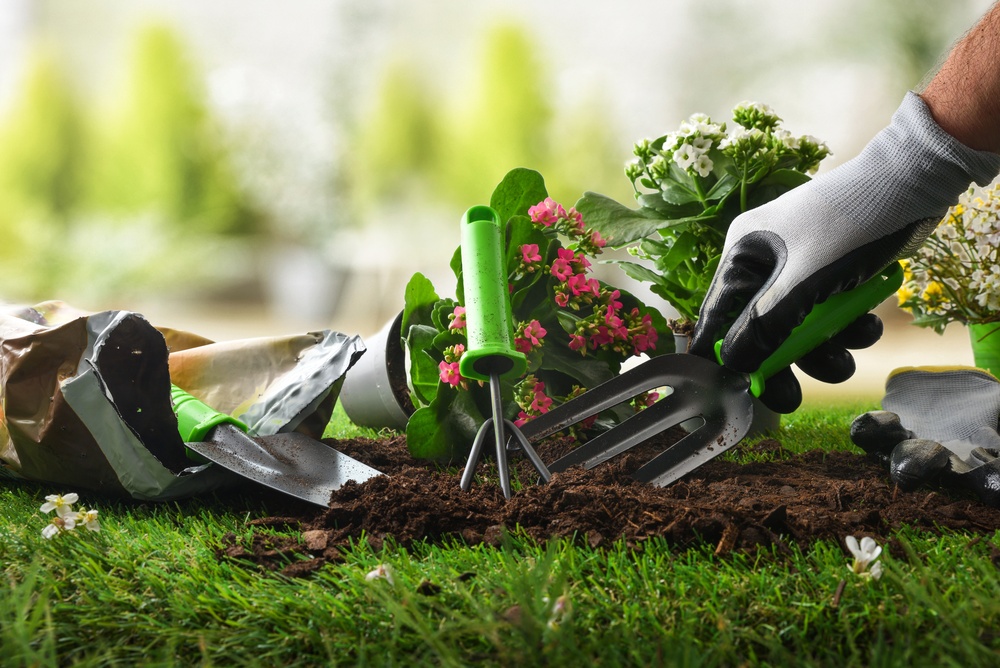
Tiny yards used to sit quietly in the background, trimmed and unused beyond a bit of grass and maybe a lonely chair. Now they are transforming into lively, productive spaces filled with herbs, vegetables, and even fruiting plants. This shift is not just about gardening trends but about rethinking what outdoor space can actually do. People are finding that even a small patch of soil can play a big role in daily living. Fresh food, lower grocery pressure, and a sense of control over what ends up on the plate are driving this change.
The excitement around compact gardening grows because it feels achievable for almost anyone with a bit of sunlight. No sprawling farm or massive backyard is required, just intention and a willingness to experiment. Tiny yards encourage creativity because every square foot matters and every plant has a purpose. Instead of lawns that demand upkeep, productive gardens reward effort with visible results. That sense of transformation is what keeps more people digging in.
Small Spaces, Big Harvest Energy
Small yards push gardeners to think differently about what food production looks like at home. Instead of rows of empty lawn, raised beds, containers, and vertical setups begin to appear in tight layouts. This approach turns overlooked corners into productive zones that actually contribute to meals. Even a few containers can supply herbs like basil, parsley, and cilantro for daily cooking. Over time, those small contributions build a steady rhythm of homegrown eating.
Productivity in tight spaces often surprises new gardeners who assume size limits success. Careful plant selection and placement allow compact gardens to produce far more than expected. Tomatoes, peppers, and leafy greens adapt well to confined environments when given proper sunlight and nutrients. The key lies in maximizing sunlight exposure and reducing wasted soil space. Once plants start producing, the yard quickly shifts from decorative to functional in the best way.
Smart Layout Tricks That Make Every Inch Count
Designing a tiny yard garden starts with treating space like a puzzle that rewards thoughtful placement. Vertical structures such as trellises, wall planters, and hanging containers free up valuable ground area. This method allows climbing crops like cucumbers and beans to grow upward instead of outward. Pathways stay clear while plants continue expanding above eye level. The result feels organized, efficient, and surprisingly lush.
Container grouping also changes how productivity unfolds in small areas. When pots cluster together based on water and sunlight needs, maintenance becomes easier and more consistent. Gardeners often place taller plants on the north side to avoid shading smaller crops. This simple adjustment prevents unnecessary competition for light. Over time, the entire layout begins to function like a well-planned system rather than scattered greenery.
Plants That Punch Above Their Weight
Certain crops perform exceptionally well in small gardens because they produce continuously or grow compactly. Herbs lead the list because they deliver repeated harvests from the same plant throughout the season. Leafy greens like lettuce and spinach also fit neatly into tight spaces while offering fast turnaround times. These plants allow gardeners to see results quickly, which builds momentum and motivation. Even beginners can experience success within weeks rather than months.
Fruit-bearing plants also find a place in tiny yards when chosen carefully. Cherry tomatoes, dwarf peppers, and compact strawberries adapt well to containers and raised beds. These varieties focus energy on steady production rather than sprawling growth. With proper care, they reward gardeners with consistent harvests that feel surprisingly generous for such small spaces. This makes homegrown food feel accessible even in the smallest outdoor areas.
Common Mistakes That Shrink Your Harvest
One of the biggest mistakes in tiny yard gardening involves overcrowding plants in hopes of maximizing output. Instead of increasing yield, overcrowding often leads to competition for nutrients and reduced growth. Plants need breathing room to develop strong roots and healthy foliage. Without that space, diseases and pests spread more easily. A balanced layout always outperforms a packed one.
Another common issue comes from ignoring sunlight patterns throughout the day. Some gardeners place crops wherever space appears available without checking light exposure. This leads to weak plants that struggle to produce meaningful harvests. Observing sun movement across the yard helps prevent wasted effort. Once light becomes a guiding factor, garden performance improves noticeably.
Tiny Yards, Big Lifestyle Shift
Tiny yard gardens reshape daily routines in ways that go beyond food production alone. Stepping outside to pick fresh ingredients changes how meals come together. Cooking becomes more intentional because ingredients carry a sense of freshness and care. Even short gardening tasks create a pause in busy days that feels grounding and refreshing. Over time, the yard becomes an active part of everyday life rather than unused space.
This shift also encourages more awareness of waste, consumption, and resource use. When food comes from a personal garden, even in small amounts, appreciation grows naturally. Gardeners start noticing seasonal changes more closely and adjusting what they plant accordingly. The connection between effort and reward becomes visible in real time. Tiny yards prove that meaningful impact does not require large space, only thoughtful use of what already exists.
What could a small patch of outdoor space become with a little imagination and care? Share thoughts, experiences, or even future garden plans in the comments.
You May Also Like…
Why Gardening Content Is Suddenly Dominating Social Media Again
7 Cheap Ways to Make Your Backyard Look More Expensive
The Budget Backyard Trend That Makes Homes Feel More Relaxing
The Backyard Gardening Trend Taking Over Small Suburbs
10 Gardening Mistakes That Make Yards Look Cheap

Brandon Marcus is a staff writer for FrugalGardening.com at District Media, Inc., where he delivers practical gardening advice with a relatable, no-nonsense style. An avid amateur gardener, he holds a BA degree and with over ten years of professional writing experience, he is also an award-winning published author whose first book, Questions For Deep Thinkers, was released by Adams Media. His work has appeared in major publications including Fandom.com, CHUD.com, TheColdWire.com, and Fansided.com.
Leave a Reply