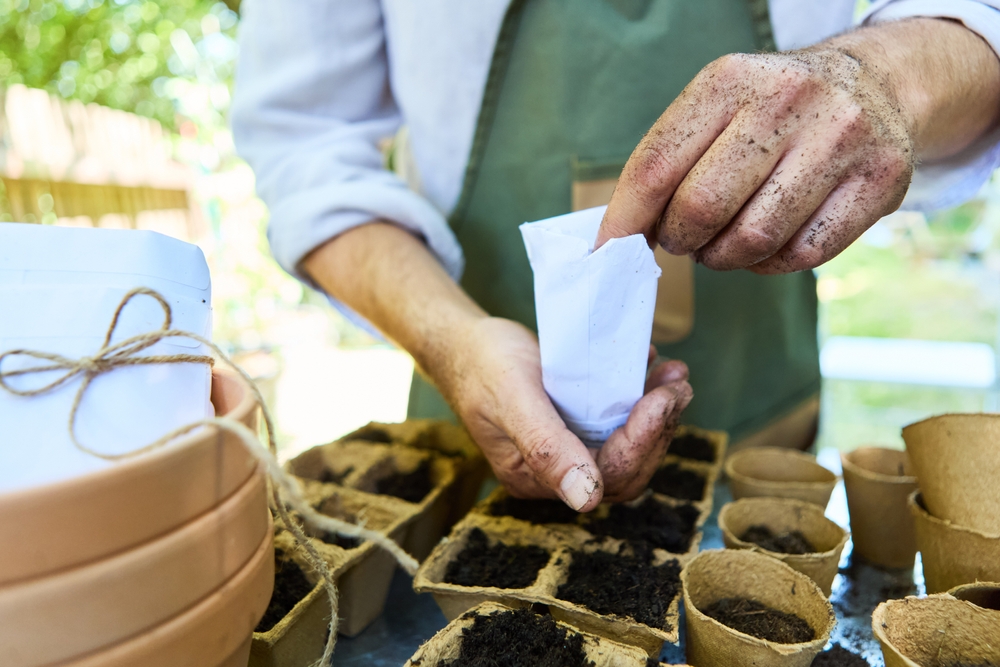
Across neighborhoods, community centers, and even backyard gatherings, seed swaps are quietly turning into one of the most exciting gardening trends of the year. Gardeners show up with envelopes, jars, and tiny packets filled with seeds they saved from their best plants. They leave with new varieties they might never find in a store, including rare tomatoes, colorful beans, and fragrant herbs. This growing movement blends old-fashioned tradition with modern sustainability goals in a way that feels fresh and practical. The result creates a gardening culture that feels more connected, more creative, and far more adventurous than store-bought planting ever delivers.
Seed swaps also spark conversations that go beyond plants and into shared knowledge, local climate tricks, and hands-on growing advice. People exchange stories about what worked in their soil, which pests caused trouble, and which plants surprised them with heavy harvests. This exchange builds trust among gardeners and helps beginners feel more confident trying new crops. Instead of shopping alone in garden centers, people now learn directly from neighbors who grow under the same weather conditions.
The Return of Community Gardening Culture
Seed swaps gain momentum because community gardening culture has made a strong comeback in cities and small towns. People increasingly want hands-on activities that connect them with neighbors and reduce reliance on commercial systems. Gardening groups, libraries, and local markets now host seed swap events that feel more like festivals than transactions. Tables fill with colorful seed packets, handwritten labels, and excited gardeners comparing plant varieties. This shared space creates a sense of belonging that many people miss in fast-paced digital life.
Community gardening events also encourage learning across generations, which strengthens the appeal even more. Older gardeners bring decades of experience with heirloom varieties, while younger participants introduce fresh ideas about sustainability and urban growing. Conversations flow naturally as people compare harvest sizes, planting techniques, and soil improvements. These interactions turn seed swaps into living classrooms where knowledge passes freely without formal instruction. The result builds stronger communities that value both tradition and innovation in gardening.
How Seed Swaps Actually Work in Modern Communities
Modern seed swaps operate with simple rules that keep things fair and organized for everyone involved. Participants bring seeds they collected, cleaned, and labeled with basic details like plant type and growing tips. Organizers usually set up tables by category, such as vegetables, flowers, herbs, and native plants. Gardeners browse, trade, and sometimes even mix seeds to experiment with new combinations. The entire process runs on trust, curiosity, and shared enthusiasm for growing food and flowers.
Many events also include educational stations that teach proper seed-saving techniques. Volunteers demonstrate how to dry seeds, store them safely, and avoid cross-pollination mistakes. These lessons help beginners feel more confident and encourage long-term participation. Some swaps even offer printed guides that explain planting timelines based on local frost dates. This structure makes seed swapping more accessible and ensures participants leave with both seeds and useful knowledge.
Why Gardeners Love Trading Seeds Instead of Buying Them
Gardeners increasingly prefer seed swaps because they open access to unique and resilient plant varieties. Store shelves often limit choices to commercial hybrids that focus on appearance and shipping durability. Seed swaps, however, introduce gardeners to heirloom plants that adapt better to local conditions over time. These seeds often come from plants grown successfully in nearby soil and weather, which boosts future harvest potential. That local adaptation gives gardeners a strong reason to trade instead of shop.
Cost savings also play a major role in the rising popularity of seed swaps. A single trip to a garden center can quickly add up, especially for families planning large vegetable plots. Seed swapping eliminates much of that expense while still offering variety and abundance. Gardeners also enjoy the surprise factor that comes with trying new seeds from other growers. That sense of discovery keeps the experience exciting every season and encourages ongoing participation.
Smart Tips for Getting the Most Out of a Seed Swap
Successful seed swapping starts with proper preparation before attending any event. Gardeners should label all seed packets clearly with plant names, harvest dates, and any known growing notes. Clean, dry, and well-organized seeds increase trust and improve the chances of fair trades. Bringing a variety of seeds, even in small amounts, expands opportunities for meaningful exchanges. Preparation sets the tone for a smooth and enjoyable experience.
Participation also improves when gardeners ask questions and share their own growing experiences. Conversations often lead to valuable advice about soil conditions, watering routines, and pest control strategies. Taking notes during these discussions helps gardeners apply new knowledge later in the season. Many experienced participants also recommend starting small with a few new varieties instead of taking too many at once. This approach reduces overwhelm and increases the chance of successful harvests.
Seed Swaps Are Rebuilding Local Food Connections
Seed swaps do more than distribute seeds because they rebuild relationships between people and the food they grow. Each exchange strengthens local food resilience by spreading plant varieties adapted to regional conditions. Gardeners gain confidence when they see neighbors successfully growing the same seeds in similar environments. These connections reduce dependence on large commercial suppliers and encourage more self-sufficient gardening habits. Over time, this shared effort creates a stronger and more sustainable local food network.
Seed swaps continue to grow because they offer something rare: connection, discovery, and real-world impact from something as small as a seed. What would make a seed swap event most exciting for a local community in today’s world?
You May Also Like…
Never Buy Seeds Again: How to Save Seeds From Your Spring Crops
Why Seeds Fail to Sprout Even in Ideal Conditions
The Local Library Secret: How to Get Your Seeds for Free This Year
Why Smart Gardeners Buy Seeds in Bulk (And How to Store Them for Decades)
What Happens When Seeds Don’t Get Enough Water

Brandon Marcus is a staff writer for FrugalGardening.com at District Media, Inc., where he delivers practical gardening advice with a relatable, no-nonsense style. An avid amateur gardener, he holds a BA degree and with over ten years of professional writing experience, he is also an award-winning published author whose first book, Questions For Deep Thinkers, was released by Adams Media. His work has appeared in major publications including Fandom.com, CHUD.com, TheColdWire.com, and Fansided.com.
Leave a Reply