Spring doesn’t tiptoe into the garden — it charges in with muddy boots, longer days, and a growing itch to plant something edible. After months of staring at bare beds and frozen soil, gardeners across America start scanning seed packets like kids flipping through a toy catalog. The good news? Plenty of crops leap into action the second cool spring temperatures arrive. Even better, some vegetables establish so quickly that a garden can look alive and productive in just a couple of weeks.
Fast-establishing crops solve several common gardening headaches at once. They fill empty beds before weeds take over, deliver early harvests while summer vegetables still wake up, and boost confidence for beginners who want visible progress fast. These crops also work beautifully in raised beds, patio containers, and small suburban yards where every inch counts.
1. Radishes Bring Instant Garden Gratification
Radishes practically race out of the soil once spring temperatures settle between 50 and 70 degrees. Many varieties germinate within four to seven days, and some mature in less than a month, making them one of the fastest crops in any American garden. Gardeners often tuck radishes between slower crops like tomatoes or peppers because they finish before larger plants need the extra room. Loose soil makes a huge difference since compacted dirt creates twisted or undersized roots that disappoint at harvest time. Consistent watering also keeps radishes crisp instead of woody and spicy.
Spring radishes thrive because cool temperatures help them develop quickly without bolting into flowers too soon. Popular varieties like Cherry Belle and French Breakfast perform especially well for beginners since they tolerate unpredictable spring weather surprisingly well. Freshly harvested radishes taste dramatically better than grocery store versions, with a crunchy texture and mild peppery bite that works beautifully in salads and tacos. Gardeners who plant a short row every seven to ten days can keep harvests rolling for weeks instead of ending up with one giant batch at once. Few crops reward patience faster than pulling bright red roots from the soil after only a few weeks of growth.
2. Leaf Lettuce Fills Beds Fast
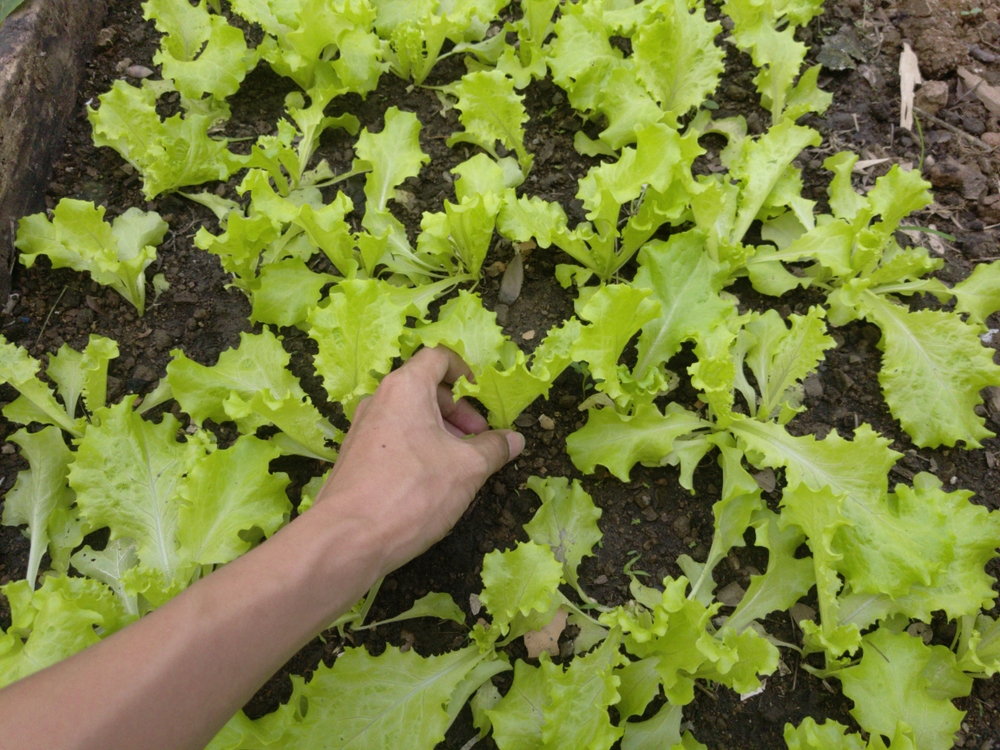
Leaf lettuce explodes with growth during cool spring weather and quickly transforms empty garden beds into lush green patches. Unlike head lettuce, loose-leaf varieties establish rapidly and allow gardeners to harvest outer leaves continuously while plants keep producing. Many gardeners start harvesting baby greens within three weeks, especially when daytime temperatures stay mild. Lettuce also handles partial sun surprisingly well during early spring, making it useful for gardens that haven’t fully leafed out yet. Rich soil with steady moisture helps leaves stay tender and sweet instead of bitter.
Several American gardeners favor Black Seeded Simpson, Red Sails, and Oak Leaf varieties because they tolerate spring temperature swings without much fuss. Lettuce seeds cost very little, yet they produce armfuls of greens that would cost far more at the grocery store. Raised beds often produce especially vigorous lettuce since the soil warms faster after winter. Gardeners who plant small amounts every week create a steady stream of salads rather than one overwhelming harvest. Few things feel more satisfying than stepping outside with kitchen scissors and returning with enough fresh greens for dinner in less than five minutes.
3. Spinach Loves Cool Weather
Spinach absolutely shines during spring because it prefers chilly weather that sends many other vegetables into panic mode. Seeds germinate best in cool soil, and young plants establish quickly once daytime temperatures hover around the 50s and 60s. Many gardeners sow spinach as soon as the ground becomes workable, even while nighttime temperatures still dip close to freezing. Thick, dark green leaves develop rapidly when plants receive consistent moisture and fertile soil rich in organic matter. Mulch also helps maintain cool soil temperatures and reduces sudden moisture loss during windy spring days.
Fast-growing spinach delivers more than just speed because it also packs serious nutritional value into every harvest. Home gardeners often notice stronger flavor and better texture compared to store-bought spinach that may have traveled hundreds of miles before reaching shelves. Varieties like Bloomsdale and Space spinach establish especially well in early spring conditions across much of the United States. Gardeners who harvest outer leaves instead of yanking entire plants can stretch production longer into the season. Once summer heat arrives, spinach bolts quickly, so spring offers the perfect window to enjoy this leafy powerhouse at its absolute best.
4. Green Onions Grow With Almost No Fuss
Green onions rank among the easiest spring crops because they establish quickly and tolerate a wide range of growing conditions. Gardeners can start them from seed, sets, or even kitchen scraps placed into shallow soil. Cool spring temperatures encourage steady root development while keeping plants tender and flavorful. Unlike larger bulb onions that demand a longer growing season, green onions mature rapidly and often become harvest-ready within six to eight weeks. Their upright growth habit also makes them ideal for tight garden spaces and containers.
Many gardeners love green onions because they multitask beautifully in the kitchen while requiring minimal maintenance outdoors. A few rows provide fresh toppings for baked potatoes, tacos, soups, salads, and grilled meats throughout spring and early summer. Green onions rarely suffer major pest issues during cool weather, which makes them especially beginner-friendly. Regular watering keeps stalks crisp and mild rather than tough or overly sharp in flavor. Gardeners who leave roots intact during harvest often enjoy regrowth for a second or even third round of fresh onions later in the season.
5. Peas Jump Into Spring Action Early
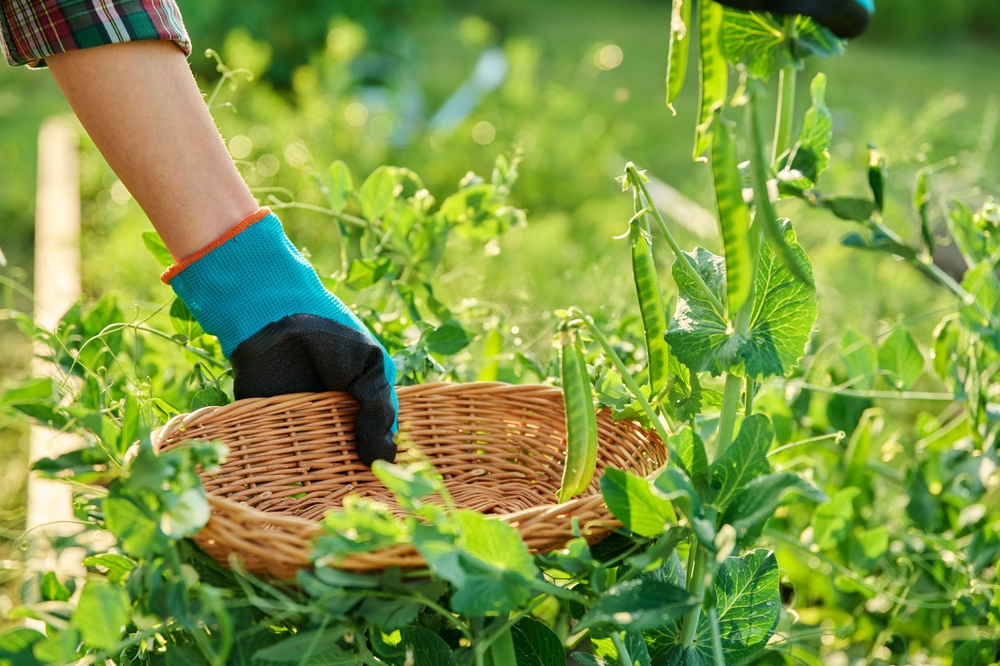
Peas thrive in cool spring conditions and often establish before many gardeners even think about planting warm-weather crops. Seeds germinate reliably in chilly soil, and sturdy young vines handle light frosts without much trouble. Snap peas and snow peas both grow quickly once temperatures remain consistently cool but not frozen. Trellises or simple wire supports help plants stay upright while improving airflow and harvest access. Regular picking also encourages plants to keep producing tender pods instead of slowing down early.
Fresh garden peas taste dramatically sweeter than frozen or canned versions because sugars begin converting to starch immediately after harvest. That difference explains why so many experienced gardeners refuse to skip peas in spring planting plans. Compact bush varieties work well for smaller suburban yards, while climbing types maximize production vertically in raised beds. Peas also help improve soil quality by fixing nitrogen, which benefits future crops planted in the same area later in the year. A healthy row of peas climbing skyward often becomes one of the first true signs that spring gardening season has officially arrived.
6. Arugula Adds Speed and Flavor
Arugula grows with astonishing speed during spring and delivers bold flavor long before many other greens mature. Seeds sprout quickly in cool soil, and gardeners often harvest baby leaves in as little as three weeks. The peppery taste adds excitement to salads, sandwiches, pizzas, and pasta dishes without requiring complicated care in the garden. Arugula also tolerates crowded planting better than many vegetables, making it useful for filling gaps in raised beds or containers. Consistent moisture keeps leaves tender and prevents overly intense bitterness.
Spring-grown arugula typically tastes milder and more balanced than plants grown during summer heat. Gardeners who sow small batches every week can maintain continuous harvests instead of dealing with one giant flush all at once. Many home gardeners underestimate how expensive specialty greens become at grocery stores, especially organic varieties sold in small plastic containers. A simple packet of arugula seeds often produces months of flavorful harvests for just a few dollars. Fast growth, low maintenance, and restaurant-quality flavor make arugula one of spring’s most underrated garden champions.
Spring Gardens Reward Fast Movers
Quick-establishing spring crops create early excitement while building momentum for the entire gardening season. Radishes, lettuce, spinach, green onions, peas, and arugula all thrive during cool weather and reward gardeners with rapid growth and flavorful harvests. These vegetables also help maximize garden space by producing before summer crops fully take over. Smart gardeners know that early success often leads to bigger, more productive gardens later in the year because confidence grows right alongside those first seedlings. A few packets of seeds and a little spring sunshine can transform an empty patch of soil into a thriving source of fresh food surprisingly fast.
Which fast-growing spring crop always earns a spot in the garden each year? Share favorite picks, growing tips, or surprise successes in the comments below.
You May Also Like…
Why Weeds Take Over Faster Than Crops in Spring
5 Beginner Errors That Reduce Yields in Spring Gardens
10 Low-Maintenance Picks That Perform Well in Late Spring
Why Weeds Take Over Faster Than Crops in Spring
The $5 Backyard Pantry: 7 Crops That Keep Producing All Season Long

Brandon Marcus is a staff writer for FrugalGardening.com at District Media, Inc., where he delivers practical gardening advice with a relatable, no-nonsense style. An avid amateur gardener, he holds a BA degree and with over ten years of professional writing experience, he is also an award-winning published author whose first book, Questions For Deep Thinkers, was released by Adams Media. His work has appeared in major publications including Fandom.com, CHUD.com, TheColdWire.com, and Fansided.com.
Leave a Reply