
Strong winds can turn a beautiful yard into a constant battle zone, especially in wide-open or elevated spaces across the United States. Many gardeners struggle to keep plants upright when gusts roll in from storms, plains, or coastal weather systems. The good news is that nature already offers plants built to bend, not break, under pressure. These wind-resistant selections not only survive tough conditions but actually bring texture, movement, and year-round interest to a landscape. A smart plant choice transforms exposed ground into a thriving, low-stress garden space that works with the weather instead of fighting it.
Wind-tolerant plants usually share a few traits that make them stand out in harsh conditions. They often grow flexible stems, deep root systems, or compact shapes that reduce wind resistance. Many also evolved in prairie, desert, or coastal environments where storms shape daily survival. Home gardeners gain a huge advantage by using these natural adaptations in their own yards. With the right selections, even the windiest property can turn into a resilient, beautiful outdoor space that holds strong all year long.
1. Switchgrass Brings Strength and Movement
Switchgrass blossoms in open landscapes where wind never seems to stop blowing. This native prairie grass bends easily without snapping, which makes it perfect for exposed areas. It grows deep roots that anchor it firmly into the soil even during storms. The tall, airy seed heads sway gracefully and add motion that actually highlights windy conditions instead of suffering from them. Gardeners across the Midwest and Great Plains rely on it as a dependable backbone plant.
Switchgrass also delivers strong seasonal interest with minimal care. It turns golden in fall and keeps structure through winter, giving gardens year-round character. Birds often use it for shelter and food, which boosts its ecological value. Once established, it tolerates drought and poor soil with ease. This combination of toughness and beauty makes it a must-have for wind-prone landscapes.
2. Blue Grama Grass Stays Low and Sturdy
Blue grama grass grows close to the ground, which gives wind very little surface to push against. This native grass thrives in dry, open regions across the American West. Its curved seed heads resemble tiny eyelashes and add playful texture to any garden. The plant handles both heat and wind without losing its compact shape. Landscapes benefit from its natural ability to stay neat without constant maintenance.
This grass works especially well in large groupings where it creates a soft, flowing carpet. It blends beautifully with wildflower plantings and rock gardens. Blue grama also supports local ecosystems by providing habitat for insects and small wildlife. Its drought tolerance reduces watering needs significantly, which helps in dry or windy regions. Gardeners appreciate how reliably it performs even in harsh conditions.
3. Rugosa Rose Succeeds in Coastal Winds
Rugosa rose stands out as one of the toughest flowering shrubs for exposed areas. It handles salty air, sandy soil, and strong winds without losing its structure. Thick, wrinkled leaves help it retain moisture during stressful conditions. Bright blooms appear throughout the season, followed by colorful rose hips in fall. Many coastal gardeners rely on it for both beauty and stability.
This rose variety grows densely, which helps it act as a natural wind buffer. Its thorny stems also discourage wildlife from damaging it during storms. Rugosa rose requires minimal pruning, making it easy to maintain in challenging landscapes. It performs well in poor soil where many ornamental plants struggle. This resilience makes it a reliable choice for harsh, open environments.
4. Juniper Builds a Living Wind Barrier
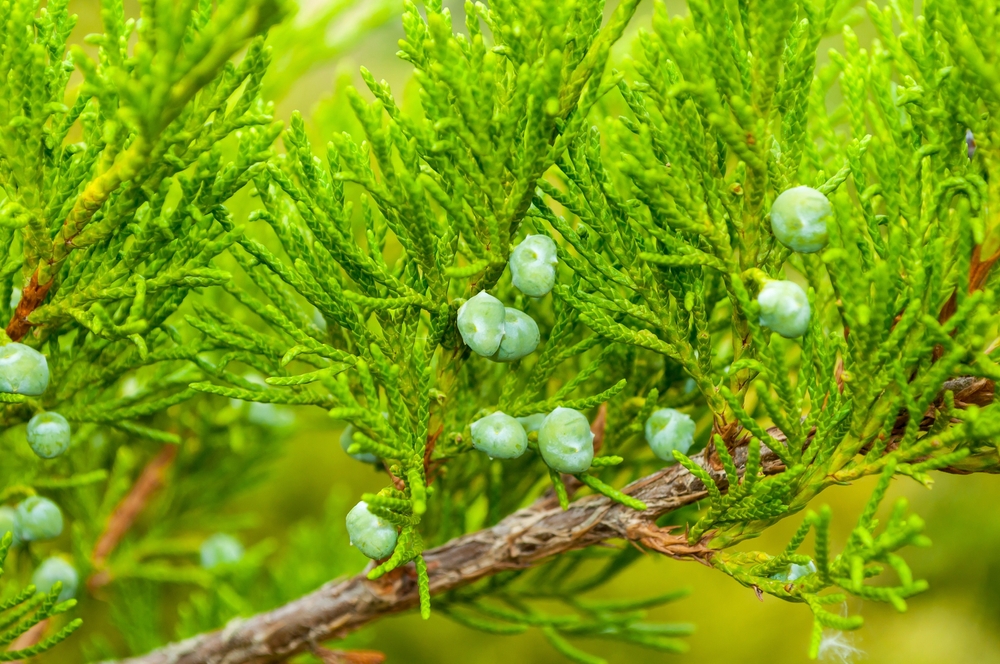
Juniper shrubs and trees serve as natural windbreaks in exposed yards and rural properties. Their dense, evergreen foliage slows wind rather than snapping under pressure. Many varieties grow low and spreading, which helps protect nearby plants. Others grow tall and columnar, forming natural barriers along property edges. Landscapers often use juniper to create structure in windy environments.
This plant prospers in dry, rocky soil where other evergreens fail. Once established, it requires very little watering or attention. Its year-round greenery adds color during cold months when many plants go dormant. Birds also use juniper for shelter and nesting space. Its toughness and versatility make it a cornerstone of wind-resistant design.
5. Russian Sage Brings Color and Flexibility
Russian sage stands tall yet flexible, which allows it to move with strong gusts instead of resisting them. Its airy stems and lavender-blue flowers create a soft, cloud-like appearance in the garden. This perennial does well in hot, dry, and windy conditions across many parts of the United States. Its long blooming season adds color when many other plants fade. Gardeners love how it brings life to exposed beds without requiring constant care.
The plant’s structure prevents breakage during storms, even when winds pick up speed. It attracts pollinators like bees and butterflies, boosting garden biodiversity. Russian sage pairs well with grasses and drought-tolerant shrubs for a balanced design. It grows best in full sun and well-drained soil, making it ideal for challenging spots. Its combination of beauty and toughness makes it a reliable landscape choice.
6. Yarrow Handles Wind with Ease and Elegance
Yarrow grows in tight clusters that resist wind damage naturally. Its feathery foliage reduces resistance, allowing gusts to pass through easily. This perennial produces flat-topped flower clusters in shades of white, yellow, and pink. It thrives in poor soil and dry conditions where other flowering plants struggle. Gardeners often choose it for its reliability and long blooming season.
Yarrow spreads gently over time, creating natural ground coverage in exposed areas. It attracts beneficial insects that support overall garden health. Once established, it requires very little watering or maintenance. Its sturdy stems rarely flop, even during heavy wind events. This plant adds both function and charm to tough landscapes.
7. Arborvitae Forms a Reliable Green Shield
Arborvitae acts as a living wall that blocks and filters strong winds. Its dense evergreen foliage stays intact through winter storms and summer gusts. Many homeowners plant it along fences or property lines for added protection. It grows in a narrow, upright shape that saves space while offering coverage. This makes it especially useful in suburban and rural yards.
Once established, arborvitae provides consistent year-round structure. It prefers well-drained soil and regular watering during early growth stages. Its thick greenery also adds privacy along with wind protection. Proper spacing helps air move through without stressing the plant. This dependable evergreen anchors many wind-resistant garden designs.
A Strong Garden Begins with Smart Plant Choices
A wind-resistant garden does not rely on luck or constant repairs but on plants built for resilience from the start. These selections work together to reduce damage, stabilize soil, and create beauty in challenging conditions. Each plant brings a unique strength, from deep roots to flexible stems or dense evergreen structure. Thoughtful placement allows these species to support one another and form a balanced landscape. With the right mix, even the most exposed yard can turn into a thriving outdoor space that stands firm through every season.
What wind-tough plant would earn a spot in your challenging garden space? Let’s chat about it below in the comments.
You May Also Like…
Why Airflow Matters More Than You Think in Dense Gardens
7 Vegetables That Germinate Fast Even in Unpredictable Spring Weather
The Window Sill Secret: Why You Don’t Need a Yard to Be a Farmer
How to Protect Plants From Strong March Winds
9 Fast Ways to Protect Young Trees From Windburn

Brandon Marcus is a staff writer for FrugalGardening.com at District Media, Inc., where he delivers practical gardening advice with a relatable, no-nonsense style. An avid amateur gardener, he holds a BA degree and with over ten years of professional writing experience, he is also an award-winning published author whose first book, Questions For Deep Thinkers, was released by Adams Media. His work has appeared in major publications including Fandom.com, CHUD.com, TheColdWire.com, and Fansided.com.
Leave a Reply