Gardening does not always start with perfect dirt, and that reality surprises more people than it should. Millions of home gardeners work with rocky clay, sandy patches, or tired soil that has seen better decades. Instead of fighting nature, smart growers lean into crops that actually enjoy rough conditions and still deliver solid harvests. These plants do not demand fancy fertilizers or perfect pH levels, yet they still show up strong when the season heats up. That kind of resilience can turn a frustrating garden into a productive one with real food on the table.
The secret often comes down to choosing crops that evolved to handle stress rather than avoid it. Some vegetables dig deep for nutrients, while others grow fast enough to outpace poor soil limitations. Many of these crops also bring extra perks like pest resistance or low watering needs, which makes them even more valuable in unpredictable weather.
1. Potatoes Turn Rough Soil Into a Hidden Advantage
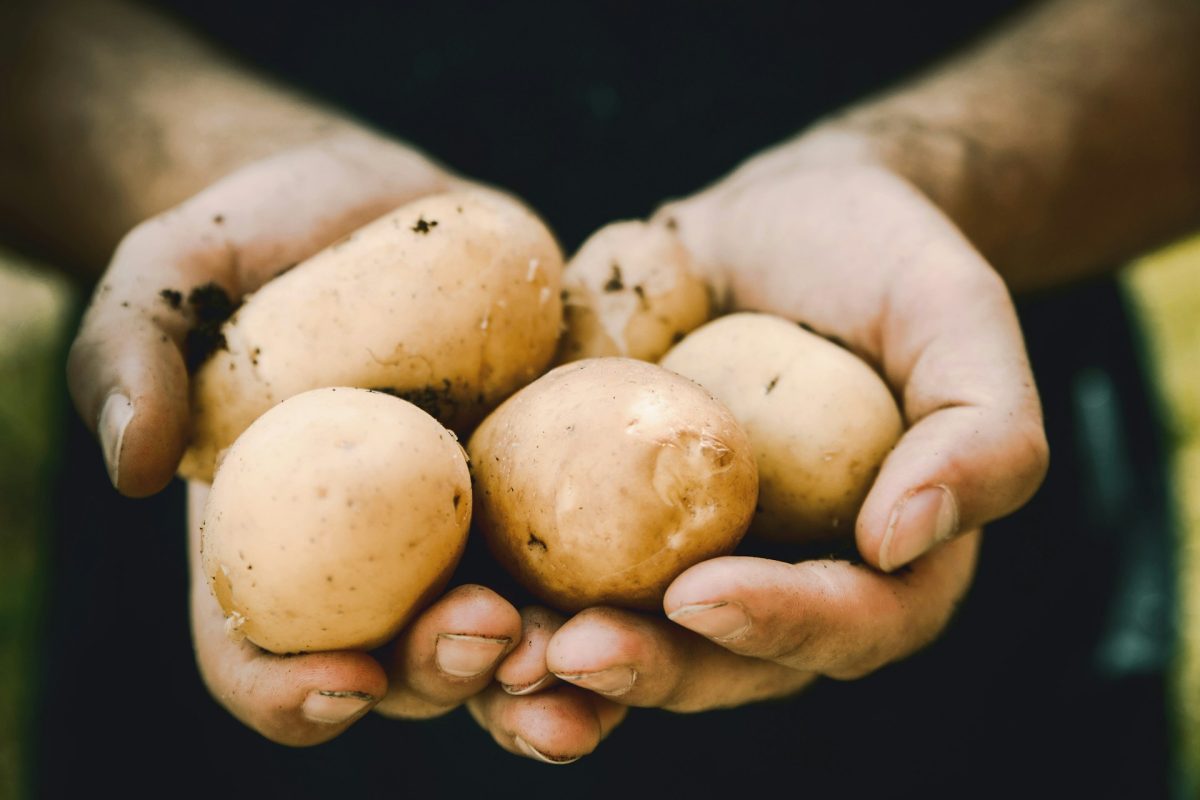
Potatoes grow underground, which gives them a natural edge in loose, rocky, or nutrient-light soil. They actually perform better when soil stays airy because tubers expand more easily without heavy compaction. Many gardeners in northern states rely on potatoes because they tolerate cooler climates and inconsistent soil quality. Farmers often say potatoes forgive mistakes, especially when the growing season brings unexpected weather swings. With minimal care, these plants still deliver a hearty yield that fills storage bins for months.
Potatoes also adapt well to raised rows or mounded soil, which helps gardeners with clay-heavy ground. They respond strongly to compost additions, but they do not demand expensive soil treatments to succeed. Even small backyard plots can produce impressive harvests when growers space plants correctly and keep soil slightly loose. Gardeners often notice that potatoes thrive in areas where other vegetables struggle, making them a reliable fallback crop.
2. Kale Laughs at Poor Soil and Keeps Growing Strong
Kale stands out as one of the toughest leafy greens in American gardens because it tolerates almost anything short of total neglect. It grows steadily in clay, sandy soil, and even slightly rocky conditions without losing its nutritional value. Cold snaps actually improve its flavor, which makes it a favorite in northern states where winters arrive early. Many gardeners appreciate how kale keeps producing leaves long after other crops fade out. This resilience turns it into a dependable staple for fresh salads and cooked meals.
Kale also requires minimal fertilizer, which makes it perfect for low-maintenance gardening setups. Once established, it develops strong roots that pull nutrients from deeper soil layers. Pests may nibble at it, but kale often regrows quickly and continues producing new leaves. That steady comeback energy makes it one of the most forgiving crops for beginners dealing with uneven soil quality.
3. Sorghum Thrives Where Other Grains Struggle
Sorghum grows well in dry, nutrient-poor soil where traditional grains like corn often fail. Farmers across the southern United States rely on sorghum because it handles heat waves and drought conditions with ease. It develops deep roots that search for moisture far below the surface, which gives it a survival advantage in tough environments. Even during unpredictable summers, sorghum maintains steady growth without demanding constant irrigation. That resilience makes it a valuable crop for both small gardens and large farms.
Sorghum also offers flexibility because it produces grain, syrup, or forage depending on how growers manage it. It does not require heavy fertilization, which reduces input costs and improves long-term soil health. Many gardeners appreciate how it stands tall and strong even in fields that look worn out. Its ability to produce in harsh conditions turns it into a quiet powerhouse for food security.
4. Sweet Potatoes Love Heat and Struggle-Free Soil
Sweet potatoes thrive in warm climates where soil stays loose and slightly sandy. They actually struggle in overly rich soil because that environment encourages leafy growth instead of tuber development. Gardeners often see better harvests when they avoid over-fertilizing and let the plants do their thing. These vines spread quickly and cover ground, which helps suppress weeds naturally. That aggressive growth habit turns poor soil into a workable foundation for food production.
Sweet potatoes also store well after harvest, which adds long-term value to their growing season success. They tolerate drought better than many traditional vegetables, making them ideal for hot southern regions. Even small backyard plots can produce impressive yields when vines get enough space to spread. Their ability to transform weak soil into a productive bed makes them a favorite among practical growers.
5. Beans Fix Soil While Feeding the Garden
Beans bring a powerful advantage because they improve soil quality while producing edible crops. They naturally pull nitrogen from the air and store it in the ground, which helps future plants grow stronger. Many gardeners rotate beans with heavier feeders like corn or tomatoes to restore soil balance. Bush and pole varieties both perform well in poor soil conditions as long as drainage stays reasonable. That dual role makes beans one of the most efficient crops in any garden system.
Beans also grow quickly, which helps them outcompete weeds in low-quality soil. They do not demand heavy fertilization and still produce steady harvests throughout the season. Gardeners often notice stronger yields in the second or third planting cycle because soil quality improves naturally. This self-supporting cycle turns beans into a strategic choice for long-term garden health.
Why These Crops Thrive in Tough Soil
These crops succeed because they adapt instead of demanding perfect conditions from the start. Each one uses a different survival strategy, whether that means deep roots, fast growth, or soil improvement abilities. Gardeners benefit from these traits because many regions struggle with depleted or uneven soil quality. Choosing resilient crops reduces frustration and increases harvest consistency across unpredictable seasons. That approach turns challenging land into a productive growing space without heavy financial investment.
What tough crop has surprised you the most in poor soil conditions? Let’s hear your thoughts, opinions, and experiences below.
You May Also Like…
5 Soil Additions That Improve Results Within Weeks
Why Soil Testing Matters More Before Summer Than Any Other Time
8 Pollinator-Friendly Additions That Increase Garden Activity
Garden Pest Alert: Why Aphids Multiply Rapidly and How to Stop Them Early
Why Your Hairbrush Holds the Secret to Better Soil Nitrogen

Brandon Marcus is a staff writer for FrugalGardening.com at District Media, Inc., where he delivers practical gardening advice with a relatable, no-nonsense style. An avid amateur gardener, he holds a BA degree and with over ten years of professional writing experience, he is also an award-winning published author whose first book, Questions For Deep Thinkers, was released by Adams Media. His work has appeared in major publications including Fandom.com, CHUD.com, TheColdWire.com, and Fansided.com.
Leave a Reply