Gardens do not shut down just because the calendar edges past midsummer. In fact, this stretch of the growing season often creates one of the most exciting planting opportunities of the year. Warm soil speeds up germination, longer daylight hours push growth, and many crops actually prefer a late start over early-season stress. Smart gardeners use this window to squeeze in a second wave of productivity before fall settles in. With the right picks, fresh harvests can still roll in fast and heavy right when most people assume the season has slowed down.
Late planting also brings a surprising advantage: fewer pests in many regions and more space after early crops finish producing. Empty garden beds turn into opportunity zones instead of wasted space. Fast and medium-speed crops thrive in these conditions, especially when chosen strategically.
1. Bush Beans Deliver Fast, Reliable Summer Production
Bush beans thrive when planted in warm soil, making late summer an ideal time to tuck them into garden beds. These compact plants skip the climbing structures and focus energy on quick pod production. Gardeners often see harvest-ready beans in as little as 50 to 60 days, depending on the variety. That speed makes them a powerhouse choice when time runs short before cooler weather arrives. The plants also improve soil health by fixing nitrogen, which benefits future plantings.
These beans love consistent moisture and full sun, so placement matters more than complicated care routines. A steady watering schedule keeps pods tender and prevents toughness during hot spells. Harvesting regularly encourages more production, keeping plants active until temperatures drop. Many gardeners enjoy multiple pickings from a single planting window. Few crops offer this level of reward from such a short turnaround.
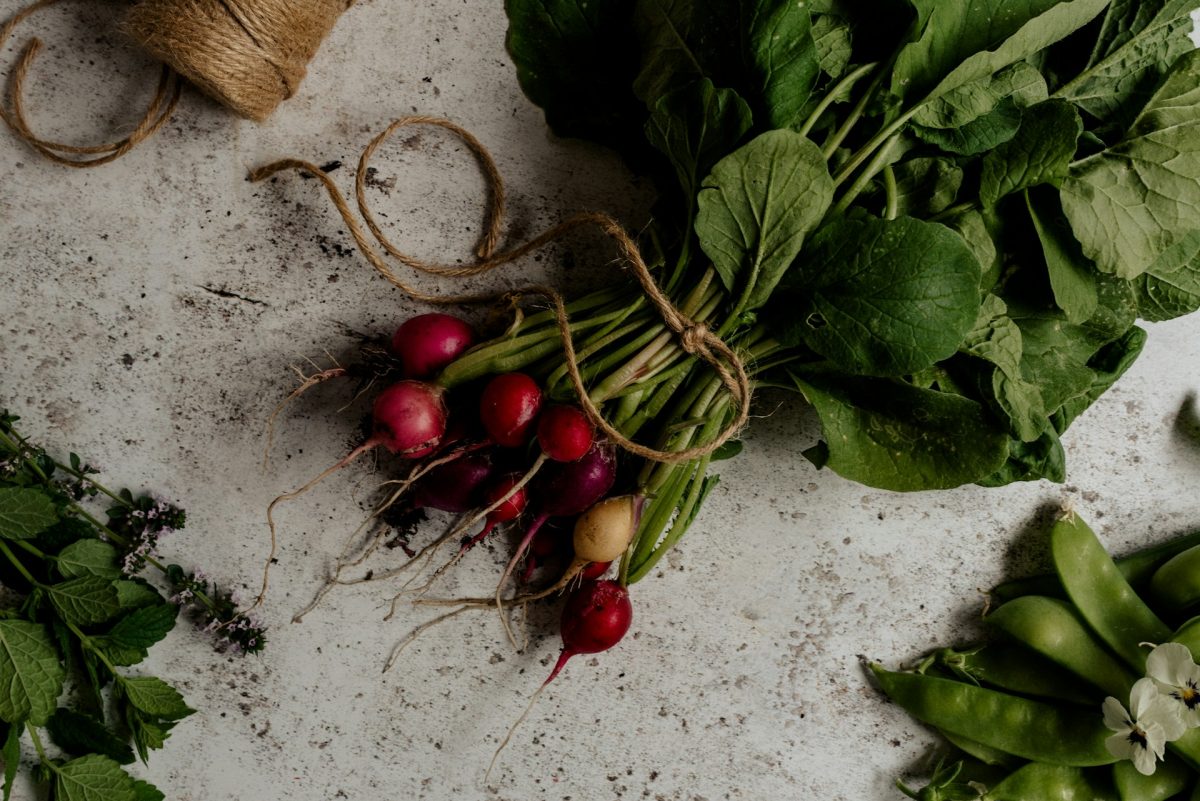
2. Radishes Bring Speed That Feels Almost Instant
Radishes stand out as one of the fastest vegetables a garden can produce, often ready in under 30 days. That speed makes them perfect for filling gaps left by earlier crops or testing new soil areas. Their crisp texture and peppery bite add freshness to salads and snacks during late summer heat. Gardeners often plant them in succession to keep a continuous harvest flowing. Their rapid growth also helps loosen soil for future plantings.
Radishes perform best in slightly cooler pockets of the day, so partial shade during peak heat can improve quality. Overcrowding reduces bulb formation, so spacing matters more than many expect. Harvesting at the right time prevents woody textures and keeps flavor sharp and clean. Many gardeners use radishes as a “starter crop” to quickly build confidence. Their speed turns empty soil into productive ground almost overnight.
3. Cucumbers Keep the Summer Harvest Going Strong
Cucumbers love warmth, making late summer planting a strategic move for extending harvest season. These vines grow quickly once established and produce steadily when conditions stay warm and moist. Bush or compact varieties work especially well for shorter growing windows. Fruits often develop within 50 to 70 days, depending on the variety chosen. That timing aligns perfectly with late-season gardening goals.
Consistent watering helps prevent bitterness and keeps cucumbers crisp and refreshing. Trellising vines improves airflow and reduces disease pressure during humid conditions. Regular picking encourages more fruit development and prevents oversized, seedy cucumbers. Many gardeners appreciate how cucumbers continue producing until the first frost arrives. Few crops stretch the season as reliably as this garden favorite.
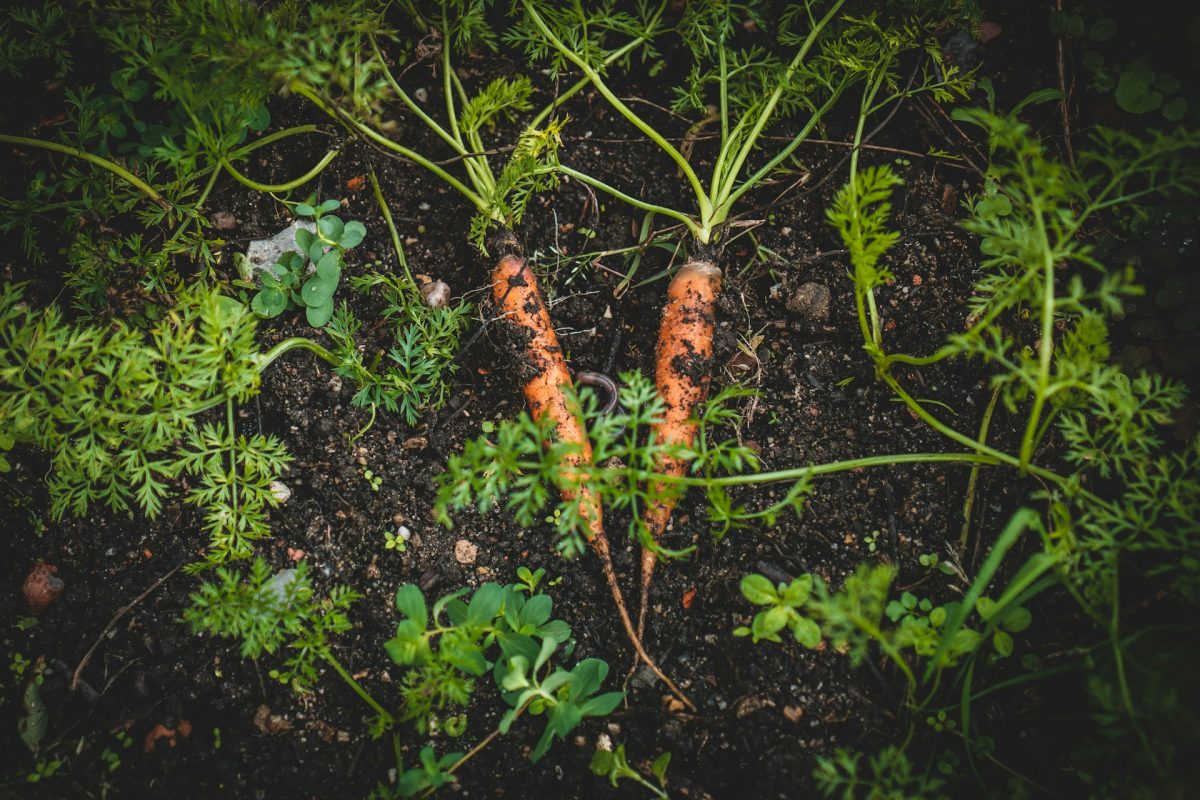
4. Carrots Reward Patience with Sweet Late-Season Flavor
Carrots planted in late summer develop into sweet, crisp roots as temperatures gradually cool. Warm soil kickstarts germination, while cooling nights enhance natural sugar development. Depending on the variety, harvest typically arrives in 60 to 80 days. These roots thrive when soil stays loose and free of rocks or compacted layers. That makes preparation just as important as planting.
Thin seedlings early to give roots enough space to grow straight and strong. Consistent moisture supports even development and prevents cracking. Many gardeners prefer leaving carrots in the ground longer for improved flavor as fall approaches. Their slow-but-steady growth balances out faster crops in the garden. This crop rewards patience with exceptional taste and texture.
5. Kale Thrives When Other Crops Start Slowing Down
Kale actually improves in flavor when temperatures begin to cool, making late summer planting a smart timing choice. This hardy green grows steadily and handles shifting weather better than many warm-season crops. Baby leaves often become harvest-ready within 30 to 40 days. Full-sized leaves continue developing into fall for extended picking. Its resilience makes it a reliable anchor crop in transitional gardens.
Regular harvesting encourages fresh growth and prevents leaves from becoming overly tough. Partial shade during intense heat helps young plants establish more easily. Kale also tolerates light frost, extending its season well beyond many vegetables. Gardeners often rely on it as one of the last standing crops in the garden. Its durability makes it a quiet powerhouse in late-season planting plans.
Late Summer Gardening Turns Time Into Opportunity
Late summer does not mark the end of gardening success—it creates a second chance to grow smart and harvest fast. Crops like bush beans, radishes, cucumbers, carrots, and kale thrive when planted with timing and intention. Warm soil accelerates early growth, while shifting seasons enhance flavor and texture in surprising ways. Gardeners who act quickly often enjoy a steady stream of fresh produce right when others assume the season winds down. Planning and speed turn leftover space into a productive extension of the garden.
What crops have delivered the biggest surprise harvests for you when planted late in the season? Now is the time to share your thoughts with other gardeners below in our comments.
You May Also Like…
Beat the Summer Heat: The Budget Way to Shade Your Plants for Free
The Over-Fertilizing Trap: Why Your Expensive Store-Bought Food is Killing Your Crops
The 30-Day Harvest: Fast Crops That Put Food on the Table by Next Month
March Pruning Mistakes That Reduce Summer Harvests
Why Winter Pest Prevention Saves More Than Summer Treatments

Brandon Marcus is a staff writer for FrugalGardening.com at District Media, Inc., where he delivers practical gardening advice with a relatable, no-nonsense style. An avid amateur gardener, he holds a BA degree and with over ten years of professional writing experience, he is also an award-winning published author whose first book, Questions For Deep Thinkers, was released by Adams Media. His work has appeared in major publications including Fandom.com, CHUD.com, TheColdWire.com, and Fansided.com.
Leave a Reply