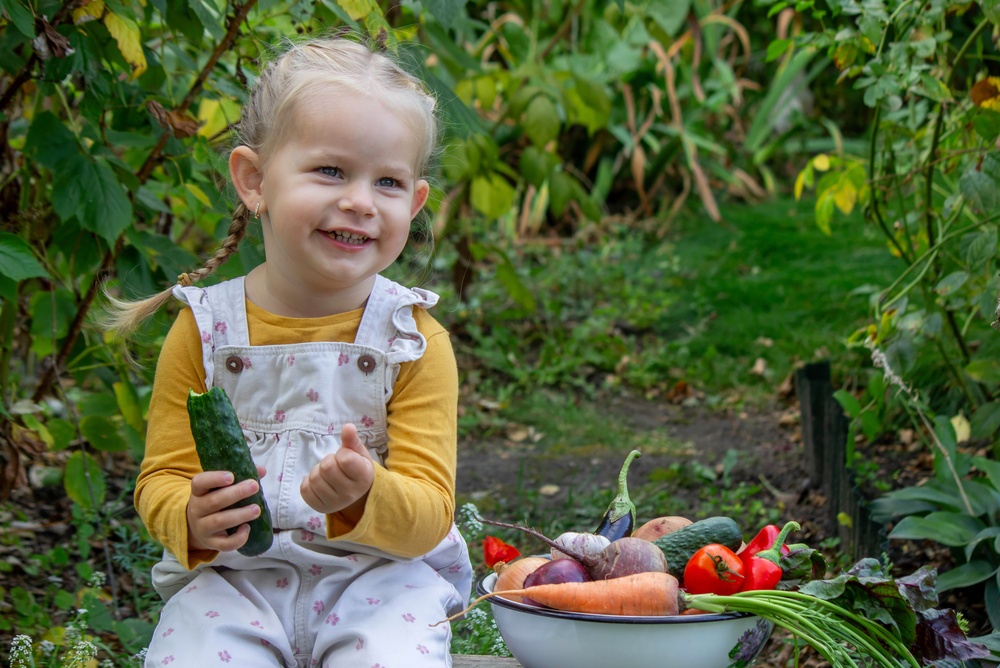
Fresh vegetables lose their magic fast when a garden delivers everything at once and then goes quiet for weeks. Succession planting flips that pattern completely, turning a backyard plot into a steady, reliable source of food week after week. Gardeners who master this approach stop dealing with feast-or-famine harvests and start enjoying consistent meals straight from the soil.
The strategy doesn’t require more space, expensive tools, or complicated techniques—just smarter timing and planning. With a few intentional shifts, any garden can produce a continuous supply of fresh, homegrown food.
What Succession Planting Actually Means
Succession planting focuses on timing crops so new plants replace harvested ones without gaps in production. Instead of planting everything at once, gardeners stagger planting dates every one to three weeks depending on the crop. This approach keeps the garden actively producing rather than peaking all at once and then slowing down.
Fast-growing vegetables like lettuce, radishes, and spinach work especially well because they mature quickly and free up space for the next round. Consistent planting schedules create a rhythm that transforms gardening from a one-time effort into an ongoing system.
Why Succession Planting Saves Money and Reduces Waste
A garden that produces continuously helps stretch grocery budgets in a noticeable way. Instead of buying produce during off weeks, households rely on steady harvests that replace store trips. Overproduction often leads to wasted food when everything ripens at once, but succession planting spreads yields out over time. That steady flow makes it easier to use everything before it spoils, especially with perishable crops like leafy greens. Saving money while reducing waste makes this method as practical as it is satisfying.
The Best Crops for Succession Planting Success
Not every plant thrives under a succession planting strategy, so smart crop selection matters. Quick-maturing vegetables like arugula, bush beans, carrots, and cucumbers deliver consistent results with staggered planting. Herbs such as cilantro and basil also benefit from repeated sowing, especially since they tend to bolt quickly in warm weather.
Root crops offer another strong option because they grow predictably and harvest easily in cycles. Choosing reliable, fast-growing plants sets the foundation for a productive succession planting system.
Timing Is Everything in Succession Planting
A successful succession planting plan depends heavily on understanding growing timelines. Seed packets usually list “days to maturity,” which helps gardeners calculate when to plant the next round. For example, lettuce that matures in 30 days should get replanted every two weeks to maintain a steady harvest. Weather patterns also play a major role, especially in regions with short growing seasons or extreme heat. Careful timing ensures that each new planting fits seamlessly into the garden’s ongoing production cycle.
How to Maximize Space with Succession Planting
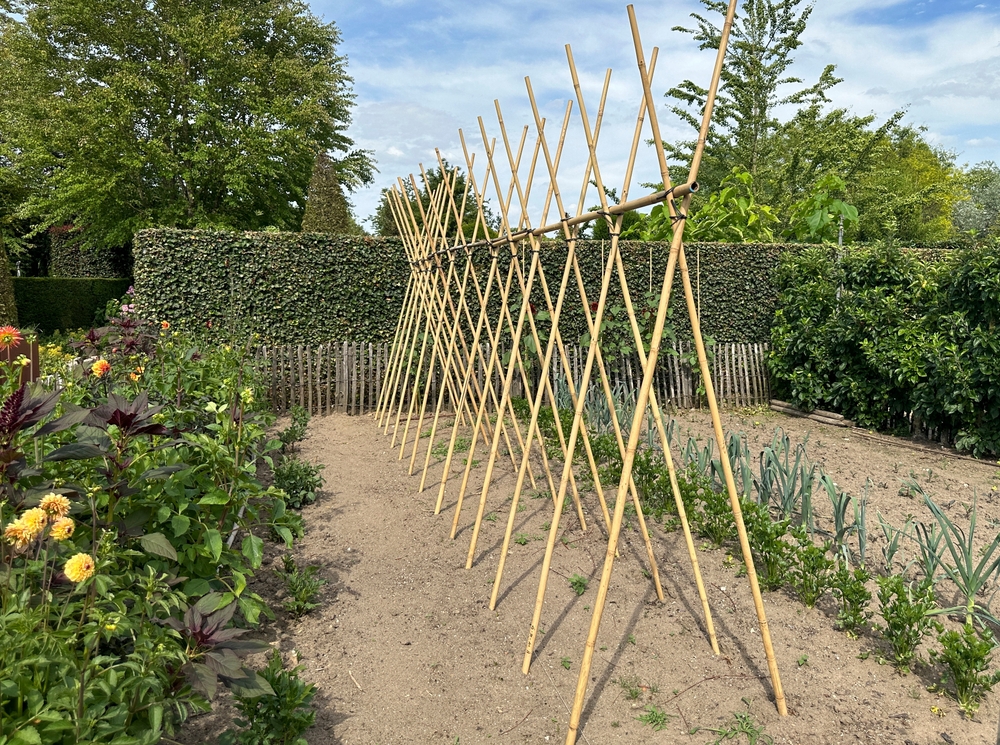
Succession planting turns even a small garden into a high-efficiency growing space. As soon as one crop finishes, another takes its place, eliminating empty soil that would otherwise go unused. Interplanting offers another layer of efficiency by pairing slow-growing crops with fast ones that mature earlier. Vertical gardening techniques, such as trellises for beans or cucumbers, free up ground space for additional plantings. Every square foot becomes more productive when succession planting drives the layout.
Common Mistakes That Disrupt Succession Planting
Skipping a planting window ranks as one of the fastest ways to break a succession planting cycle. Even a short delay can create gaps that disrupt the steady flow of harvests. Overplanting at the beginning also causes problems, leading to overcrowding and uneven growth later on. Ignoring seasonal changes, such as temperature shifts or daylight hours, can reduce yields or cause crops to bolt prematurely. Staying consistent and attentive prevents these common missteps from derailing the entire system.
Tools and Planning Tricks That Make It Easier
Simple tools can make succession planting far more manageable and less time-consuming. A basic garden calendar helps track planting dates, harvest windows, and upcoming rotations. Many gardeners use spreadsheets or mobile apps to organize planting schedules and adjust based on results.
Labeling rows or sections clearly prevents confusion when multiple crops grow in the same space over time. Planning ahead removes guesswork and keeps the garden running smoothly from start to finish.
The Weekly Harvest Mindset That Changes Everything
Succession planting shifts the entire mindset around gardening from an occasional activity to a consistent habit. Instead of waiting for one big harvest, gardeners check their plants regularly and gather small amounts throughout the week. This steady interaction improves awareness of plant health, soil conditions, and pest issues. The garden becomes part of everyday life rather than a project that demands attention only at peak times. That ongoing connection leads to better results and a more enjoyable experience overall.
The Real Secret to Never Running Out of Fresh Produce
Succession planting delivers something most gardens struggle to achieve: reliability. A well-planned schedule ensures that one crop finishes just as another reaches harvest stage, creating a seamless cycle of production. This method works in large backyard gardens, raised beds, and even small container setups on patios. With consistency and thoughtful planning, fresh produce becomes a regular part of meals instead of an occasional bonus. That reliability turns gardening into a dependable source of both food and savings.
What crops would get planted first to create a steady, week-by-week harvest in your own garden? Give us your insight and advice in the comments section below.
You May Also Like…
Affordable Garden Seating Ideas Using Recycled Materials
Rental Friendly Gardening: 5 Ways to Grow Food Without Losing Your Deposit
The Stealth Garden: How to Grow Food in an Apartment Without Anyone Noticing
How to Grow More Food in Less Space

Brandon Marcus is a staff writer for FrugalGardening.com at District Media, Inc., where he delivers practical gardening advice with a relatable, no-nonsense style. An avid amateur gardener, he holds a BA degree and with over ten years of professional writing experience, he is also an award-winning published author whose first book, Questions For Deep Thinkers, was released by Adams Media. His work has appeared in major publications including Fandom.com, CHUD.com, TheColdWire.com, and Fansided.com.
Leave a Reply