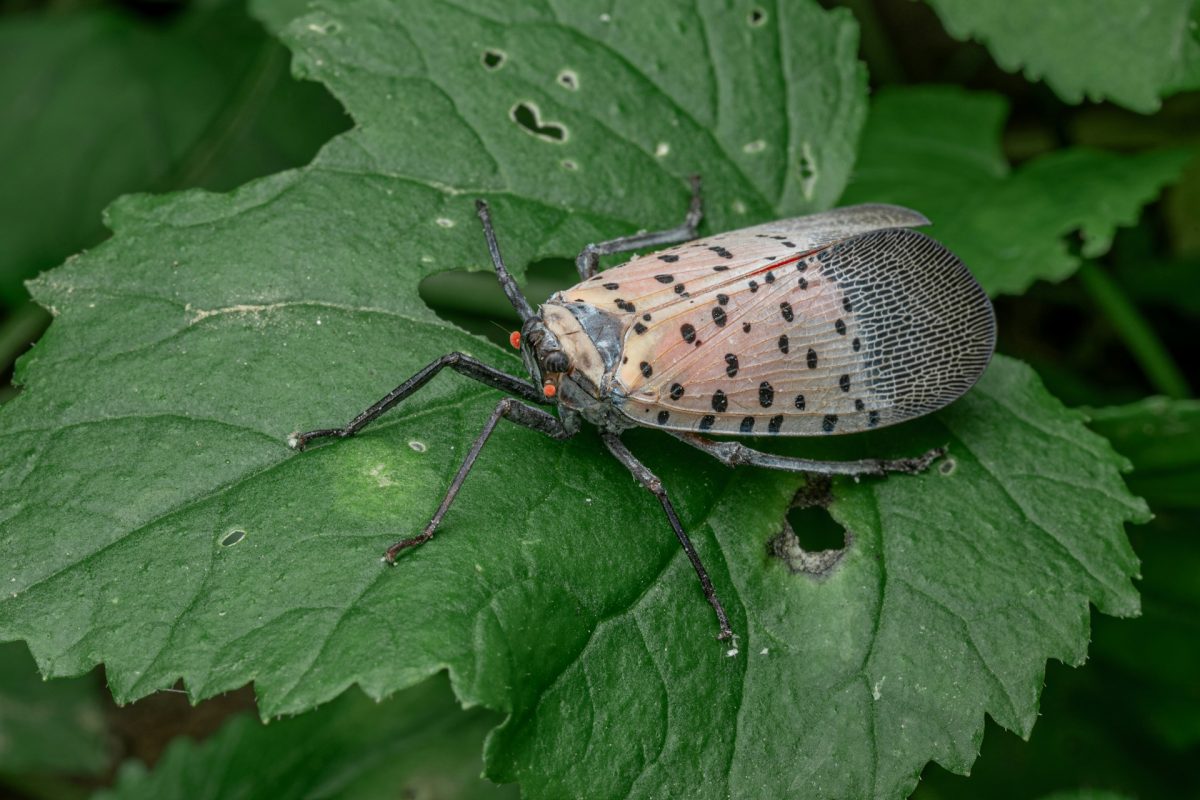
One tiny egg mass can unleash a full-blown infestation. That’s not drama. That’s the reality of the spotted lanternfly, an invasive insect that continues to expand its footprint across the United States. This striking, polka-dotted planthopper looks almost artistic at first glance, but it can hammer trees, vines, and ornamental plants with relentless feeding. And right now, one of its favorite modes of transportation sits in plain sight at garden centers: nursery plants.
If you love adding fresh greenery to your yard, patio, or balcony, you need to know what you’re bringing home. You can absolutely protect your landscape. You just need sharp eyes and a little know-how.
Meet the Spotted Lanternfly: Beautiful, Destructive, and On the Move
The spotted lanternfly first turned up in the United States in 2014 in Pennsylvania. Since then, it has spread across multiple states, and experts continue to monitor new detections each year. This insect feeds by inserting its mouthparts into plants and sucking out sap, which stresses the plant and leaves behind sticky honeydew that encourages sooty mold growth.
It targets a wide range of hosts, including grapevines, maples, black walnut, and a tree you may already know if you’ve battled invasives before: Tree of Heaven. That tree serves as a preferred host, but lanternflies do not limit themselves to it. They happily feed on fruit trees, shade trees, and ornamental shrubs. When populations explode, they weaken plants, reduce yields in vineyards, and create serious economic concerns for growers.
Unlike many insects that rely on wind or flight to spread long distances, this species excels at hitchhiking. It lays eggs on smooth surfaces, and that includes nursery pots, stakes, outdoor furniture, vehicles, and even shipping pallets. When those objects move, the lanternfly moves with them.
The Egg Mass That Looks Like Dried Mud
If you want to stop a spotted lanternfly infestation before it starts, you need to learn what its eggs look like. Adult females lay egg masses in late summer through fall. Each mass contains dozens of eggs and sits under a protective coating that resembles gray or tan putty. Over time, that coating dries and cracks, taking on a texture that looks like a smear of dried mud.
People often overlook these egg masses because they blend into bark and hard surfaces. They measure about one to one-and-a-half inches long, so they do not jump out at you unless you deliberately scan for them. On nursery plants, you might find them on the trunk, on support stakes, on the rim of the container, or even on the side of the pot.
Winter does not eliminate the risk. The eggs survive cold temperatures and hatch in spring. When you buy a plant in late fall, winter, or early spring, you might carry home viable eggs without realizing it. That reality makes inspection critical during every season, not just during peak gardening months.
Why Nursery Plants Create the Perfect Ride
Nursery plants travel. Growers ship them from one state to another. Retailers move them between locations. Landscapers load them into trucks and deliver them to homes and commercial properties. Every mile offers an opportunity for a spotted lanternfly egg mass to tag along.
Even reputable nurseries can face challenges because egg masses do not confine themselves to plants alone. Lanternflies lay eggs on nearby surfaces, and those surfaces often sit close to plant stock. When employees move containers or consolidate inventory, they may inadvertently move eggs as well.
State agriculture departments in affected areas often request inspections and compliance measures for businesses that ship plants from quarantine zones. These programs help reduce spread, but no system catches every single egg mass. That gap means individual buyers play an important role in slowing the invasion.

How to Inspect a Plant Before You Load It Into Your Car
Inspection does not require special tools or a degree in entomology. It does require patience and intention. When you select a plant, start at the base and work your way up. Look closely at the trunk, especially on smooth bark. Scan the container, including the underside of the rim and the drainage holes.
If the plant includes stakes, trellis pieces, or tags, check those too. Egg masses often appear as grayish patches that contrast slightly with the surface underneath. Run your eyes slowly over the plant instead of giving it a quick glance. A careful thirty-second check can prevent a major headache later.
If you spot a suspicious mass, do not ignore it. Many state agriculture departments advise scraping the egg mass into a container filled with alcohol or hand sanitizer to kill the eggs. Follow local guidance for reporting, since some states request that residents report sightings to help track spread. You can check your state’s department of agriculture website for current recommendations and quarantine maps.
What to Do If You Discover Them at Home
Finding egg masses on a newly purchased plant can feel frustrating, but you still control the outcome. Act quickly and decisively. Scrape the mass off using a plastic card or similar tool, making sure you capture all of the eggs. Drop the material into alcohol or a sealed bag and dispose of it according to local guidelines.
During the growing season, you may encounter nymphs or adults instead of eggs. Nymphs start out black with white spots, then turn red with white spots as they mature. Adults develop gray wings with black spots and bright red hind wings. If you see them congregating on a plant, contact your state’s agriculture department or extension service for advice on control options, which may include approved insecticides or mechanical removal.
Do not transport infested plants to another location. Keep them on your property until you address the issue. That simple decision protects neighboring communities and local ecosystems from additional spread.
Bring Home the Plant, Not the Problem
Buying a new plant should feel exciting, not nerve-racking. You can keep it that way by building inspection into your routine and staying informed about local guidance. Check plants before you purchase them. Inspect vehicles and outdoor items if you travel through quarantine zones. Report sightings when your state requests it.
The spotted lanternfly will not disappear overnight, but smart, consistent habits can slow its spread and protect the landscapes people work hard to grow.
Next time you load a leafy treasure into your trunk, will you take that extra minute to make sure nothing else rides home with it? Let’s talk pest prevention in the comments.
You May Also Like…
Experts Warn: This Popular “Natural” Pest Spray Is Harming Pollinators
This One Winter Gardening Habit Could Be Spreading Invasive Pests Across the South
6 Garden Pests That Hibernate in Your Soil
Why Stopping Lawn Care Too Early Could Invite Pests and Fungus

Brandon Marcus is a staff writer for FrugalGardening.com at District Media, Inc., where he delivers practical gardening advice with a relatable, no-nonsense style. An avid amateur gardener, he holds a BA degree and with over ten years of professional writing experience, he is also an award-winning published author whose first book, Questions For Deep Thinkers, was released by Adams Media. His work has appeared in major publications including Fandom.com, CHUD.com, TheColdWire.com, and Fansided.com.
Leave a Reply