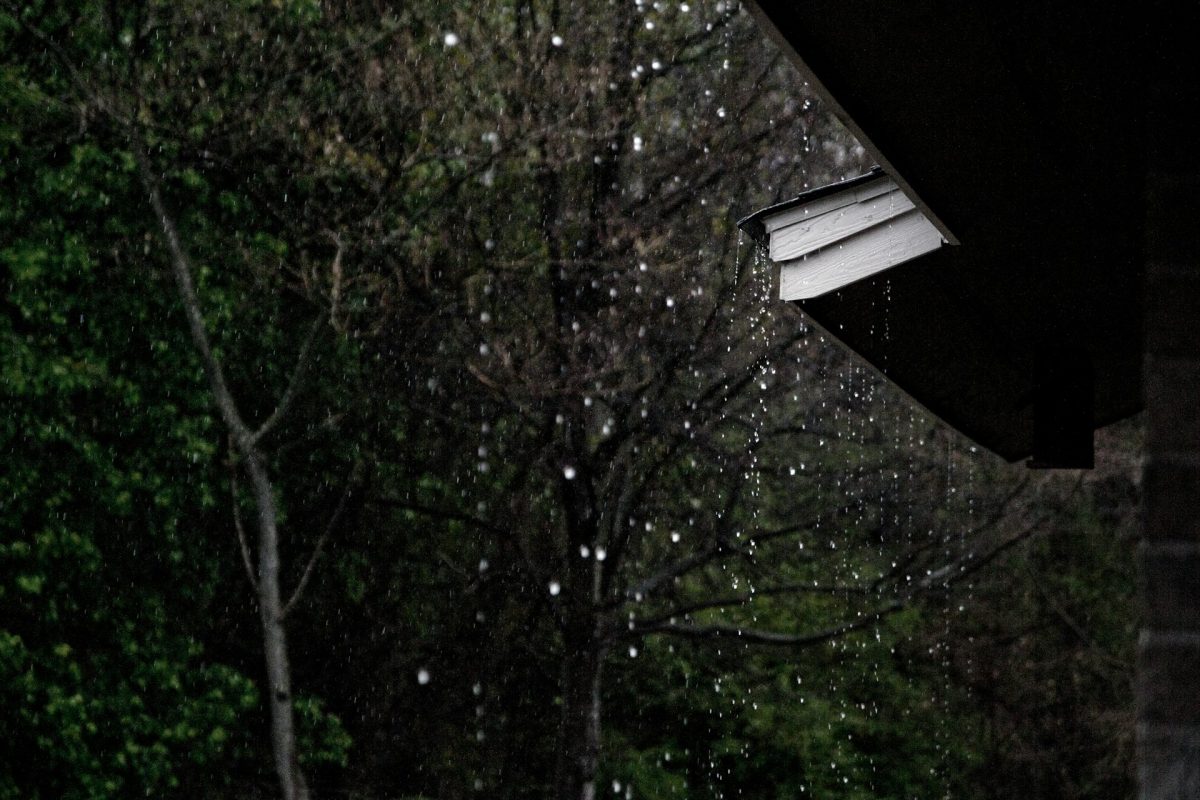
Water always wins. It ignores good intentions, glossy design magazines, and backyard dreams. When heavy rain hits a yard that cannot absorb it, that water moves with purpose, and too often it heads straight toward the foundation.
Across the country, stormwater professionals have started pointing fingers at a landscaping trend that looks polished on social media but performs terribly in real life: the rush toward hardscaping everything. Homeowners replace lawns and planting beds with expansive patios, artificial turf, wide paver driveways, and decorative gravel laid over compacted soil. The result looks tidy and low-maintenance. It also sends rainwater racing toward basements.
The Hardscape Obsession That Changes How Water Moves
Walk through any newly renovated neighborhood and the pattern jumps out immediately. Front yards shrink into narrow strips of decorative grass, while concrete pads, stone pavers, and synthetic turf dominate the space. Backyards transform into outdoor living rooms with full-coverage patios, outdoor kitchens, and tightly sealed surfaces that leave almost no exposed soil.
Stormwater experts explain that these impermeable surfaces prevent infiltration, which means water cannot soak into the ground where it falls. Instead, rain runs off quickly and concentrates along edges, slopes, and low points. If that low point sits near a foundation wall, trouble follows.
Traditional lawns and planting beds, despite their flaws, absorb and slow rainfall. Soil structure, plant roots, and organic matter create tiny pockets that hold water long enough for it to percolate downward. When homeowners remove that sponge and replace it with stone set over compacted base material, the yard loses its buffering power. Even decorative gravel often sits atop landscape fabric and tightly packed soil, which blocks meaningful absorption.
Why Basements Take the Hit
Foundations sit below grade, which means surrounding soil naturally presses against them. When heavy rain saturates that soil, hydrostatic pressure builds up against foundation walls. Stormwater professionals use that term to describe the force water exerts when it accumulates in the ground. Increased pressure pushes moisture through tiny cracks, porous concrete, and weak joints.
Hardscaped yards make that pressure worse. Fast-moving runoff collects near the foundation instead of dispersing across a wider area. Downspouts that discharge too close to the house compound the problem. When a patio slopes subtly toward the structure instead of away from it, water funnels directly against basement walls.
Climate patterns also play a role. Many regions now experience more intense rainfall events, which dump large volumes of water in short bursts. Yards that might have handled gentle, steady rain struggle under these downpours. When design prioritizes aesthetics over hydrology, basements become the weak link.
The Illusion of Low Maintenance
The appeal of hardscaping makes sense. People want less mowing, fewer weeds, and more usable outdoor space. Contractors market full-coverage patios and gravel yards as simple, clean solutions that reduce upkeep. Social media showcases pristine surfaces that look flawless in photos.
Yet stormwater experts stress that low maintenance does not mean low impact. Impermeable surfaces shift maintenance demands rather than eliminate them. Instead of mowing, homeowners may face sump pump upgrades, foundation repairs, mold remediation, and repeated waterproofing costs.
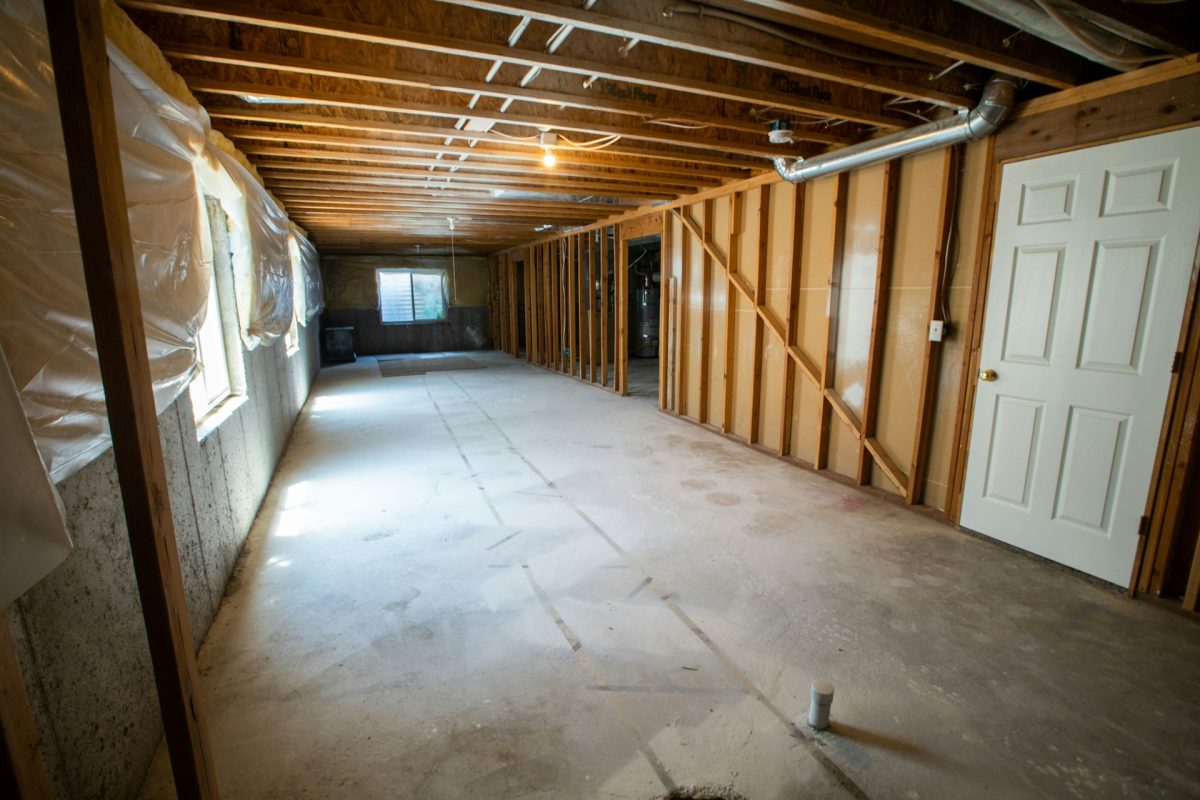
Water damage rarely stays confined to one corner. Once moisture enters a basement, it can warp flooring, ruin drywall, and create conditions for mold growth. Insurance coverage often excludes certain types of groundwater intrusion, leaving homeowners to shoulder expensive repairs. A design choice that seemed practical can spiral into a costly lesson in physics.
Smarter Yard Design That Works With Water
Fortunately, avoiding a flooded basement does not require giving up on style or outdoor living. It requires a shift in priorities. Stormwater experts advocate for designs that slow, spread, and soak water rather than repel it.
Permeable pavers offer one alternative. Unlike traditional concrete slabs, these systems include gaps and a specially prepared base that allows water to pass through and infiltrate the soil below. Proper installation matters immensely, so homeowners should consult contractors familiar with local soil conditions and drainage codes.
Rain gardens provide another powerful tool. These planted depressions capture runoff from roofs, driveways, and patios, then allow it to filter slowly into the ground. Native plants with deep root systems improve soil structure and increase absorption capacity. Rain gardens also add visual interest and support pollinators, which means they serve more than one purpose.
Before the Next Downpour Hits
Stormwater experts repeat a simple message: treat water as a design partner, not an afterthought. Every yard makeover should begin with a basic question about where rain will go once it lands. That question matters more than the color of pavers or the shape of an outdoor kitchen.
Stormwater management does not require sacrificing beauty. It demands respect for the basic reality that water follows gravity and exploits weaknesses. When yards absorb rain instead of shedding it, basements stay drier, foundations last longer, and neighborhoods handle storms more gracefully.
So before the next design trend takes over the block, it might be worth asking: does this yard work with the rain, or does it dare the water to fight back? If you have any ideas, make sure we hear them in the comments.
You May Also Like…
Why Gardeners in the Southeast Are Being Told to Stop Using Rainwater This Month
Water Boards Say This Common Irrigation Setup Is Wasting Thousands of Gallons
Water Authorities Warn Homeowners: Your Rain Barrel May Be Contaminated
Why Some States Are Cracking Down on Rain Barrels Again
How Soil Structure Shifts After Heavy Autumn Rains

Brandon Marcus is a staff writer for FrugalGardening.com at District Media, Inc., where he delivers practical gardening advice with a relatable, no-nonsense style. An avid amateur gardener, he holds a BA degree and with over ten years of professional writing experience, he is also an award-winning published author whose first book, Questions For Deep Thinkers, was released by Adams Media. His work has appeared in major publications including Fandom.com, CHUD.com, TheColdWire.com, and Fansided.com.
Leave a Reply