The supplement aisle makes it feel like you need a bottle for everything, but a lot of “wellness staples” are just concentrated versions of herbs and foods you can grow at home. If you’ve got a sunny window, a small bed, or even a few pots, you can harvest leaves, flowers, and roots that people commonly buy in capsules and powders. The catch is that you only save you money if you grow the right plant for your climate, harvest at the right time, and store it well enough that it doesn’t turn into a sad jar of dust. This isn’t medical advice, and it won’t replace care you already rely on, but it can cut down on impulse buys and help you build a practical apothecary from your backyard. Here are eight plants that are beginner-friendly and budget-friendly when you treat them like a crop, not a décor item.
1. Peppermint for Tea That Actually Tastes Fresh
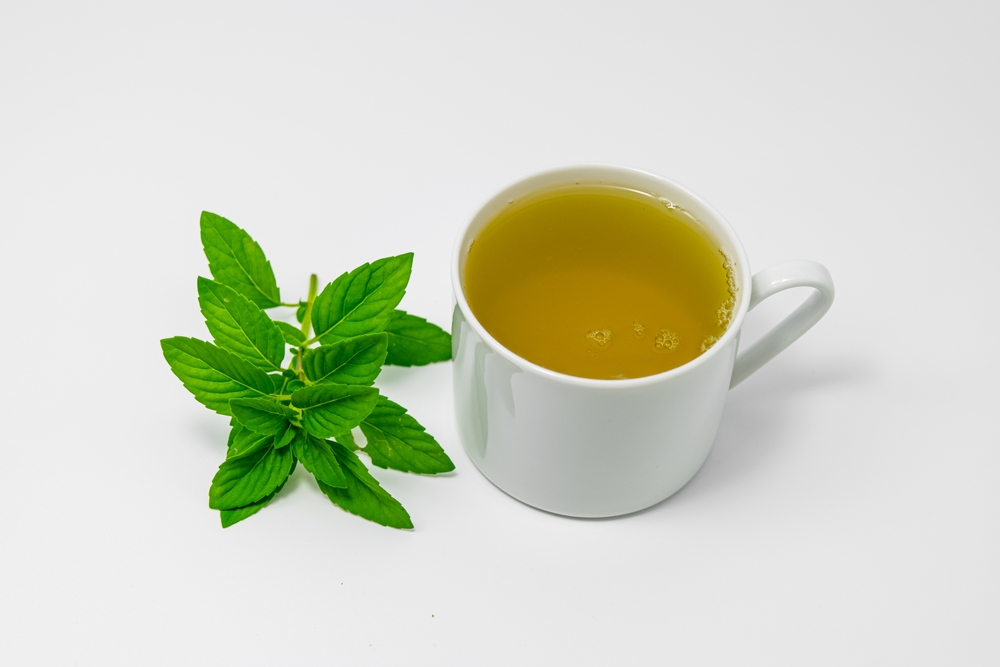
Peppermint is one of the easiest “grow once, harvest forever” plants, and it shines as a simple tea herb. Plant it in a container because it spreads aggressively and can take over beds fast. Harvest stems right before flowering for the strongest flavor and dry them in small bundles out of direct sunlight. Store leaves in an airtight jar and crush only what you need so the aroma stays strong. A single pot can save you money if you regularly buy mint teas, digestive blends, or “calm” teas that are mostly mint anyway.
2. Lemon Balm for a Calming Nighttime Cup
Lemon balm is in the mint family, but it tastes like citrus and grows like it’s trying to win a race. Give it morning sun and afternoon shade in hot climates so it doesn’t get crispy and bitter. Pinch it back often, because frequent trimming keeps the leaves tender and productive. Dry leaves quickly on a screen or paper towel in a well-ventilated room to keep the scent from fading. If you’re used to buying “relaxation” teas, lemon balm can save you money because you’ll have a steady supply all season.
3. Ginger for Kitchen and “Wellness” Staples
Ginger is a smart plant if you buy fresh ginger often or spend extra on ginger shots and powders. You can grow it in a pot with loose soil and partial shade, especially if you live somewhere with a shorter summer. Start with a plump rhizome from the store, plant it shallow, and keep the soil evenly moist but not soggy. Harvest a little at a time by snapping off sections, then let the plant keep growing. It can save you money because you get fresh flavor and you control the quality without paying convenience-store prices.
4. Turmeric for Golden Color and Big Harvests
Turmeric grows similarly to ginger, but it needs warmth and time, so start early if your season is short. Plant rhizomes in a wide pot, feed with compost, and keep it in bright shade rather than harsh midday sun. Harvest after the leaves yellow and die back, then rinse and dry the rhizomes well before storage. If you want powder, slice thin, dry completely, and grind, but be ready for a mess because turmeric stains everything. When you use turmeric regularly, growing it can save you money compared to buying small jars or trendy mixes.
5. Garlic for Everyday Use and a “No Fuss” Crop
Garlic is one of the most practical plants on this list because you’ll use it constantly whether you care about supplements or not. Plant cloves in fall in many climates, mulch well, and water during dry spells for bigger bulbs. Harvest when the lower leaves brown, then cure in a shaded, airy spot until the skins feel papery. Save your biggest cloves for replanting so each season improves instead of shrinking. Homegrown garlic can save you money because it stores for months and replaces both fresh garlic and pricey garlic powders.
6. Parsley for Fresh Leaves and Easy Drying
Parsley is underrated because it looks like a garnish, but it’s a workhorse plant that grows in cool and warm seasons. Grow it in a pot near the door so you actually harvest it instead of forgetting it exists. Cut outer stems at the base, because that keeps the crown producing new growth. Dry it at low heat or air-dry in a thin layer so it doesn’t turn brown and flavorless. If you buy herb blends or greens powders, parsley can save you money by giving you a steady, fresh add-in for meals.
7. Stinging Nettle for a Strong, Mineral-Rich Herb
Nettle sounds intimidating, but it’s a powerhouse plant people buy as tea and capsules, and it can be productive in the right spot. Wear gloves, harvest young leaves, and blanch or dry them to neutralize the sting. Nettle likes rich soil and consistent moisture, and it often does well in partial shade. Dry leaves thoroughly and store them like tea so they stay green and usable. If you already buy nettle products, growing it can save you money, but only if you respect the harvest timing and handle it safely.
8. Calendula for Skin-Soothing Salves and Simple Infusions
Calendula is the bright orange flower you’ve seen in “skin support” creams, and it’s easy to grow from seed. Plant it in full sun, deadhead often, and it will keep blooming for months. Harvest flowers mid-morning after dew dries, then dry them until they feel crisp, not bendy. You can infuse dried petals in oil for DIY salves, or steep them for a mild tea, depending on how you use it. It can save you money if you regularly buy calendula-based products and you commit to proper drying to prevent mold.
Grow A Small “Wellness Patch” That Earns Its Space
The real trick isn’t growing eight plants at once, it’s growing two or three that match what you already use and storing them well. Start small with a mint-family plant plus a root crop like ginger or turmeric, then add garlic or calendula when you’re comfortable harvesting and drying. Keep notes on planting dates, drying times, and what you actually reached for, because that’s how you avoid wasting space. When your garden supports your routines, it’s much easier to skip impulse buys and feel confident about what you’re using. Done right, these plants can save you money because they turn your garden into a repeatable system instead of a one-time experiment.
Which of these plants would you actually use weekly enough to grow this season, and what’s stopping you from trying?
What to Read Next…
Is Growing Herbs at Home Still a Money Saver?
How to Start a Frugal Grocery Garden for Less Than $20
Are Expensive Planters Really Better for Plant Health?
How Frugal Gardening Hacks Can Turn $5 Into a Blooming Oasis
9 Mistakes That Make Home Gardens More Expensive Than Necessary

Catherine is a tech-savvy writer who has focused on the personal finance space for more than eight years. She has a Bachelor’s in Information Technology and enjoys showcasing how tech can simplify everyday personal finance tasks like budgeting, spending tracking, and planning for the future. Additionally, she’s explored the ins and outs of the world of side hustles and loves to share what she’s learned along the way. When she’s not working, you can find her relaxing at home in the Pacific Northwest with her two cats or enjoying a cup of coffee at her neighborhood cafe.
Leave a Reply