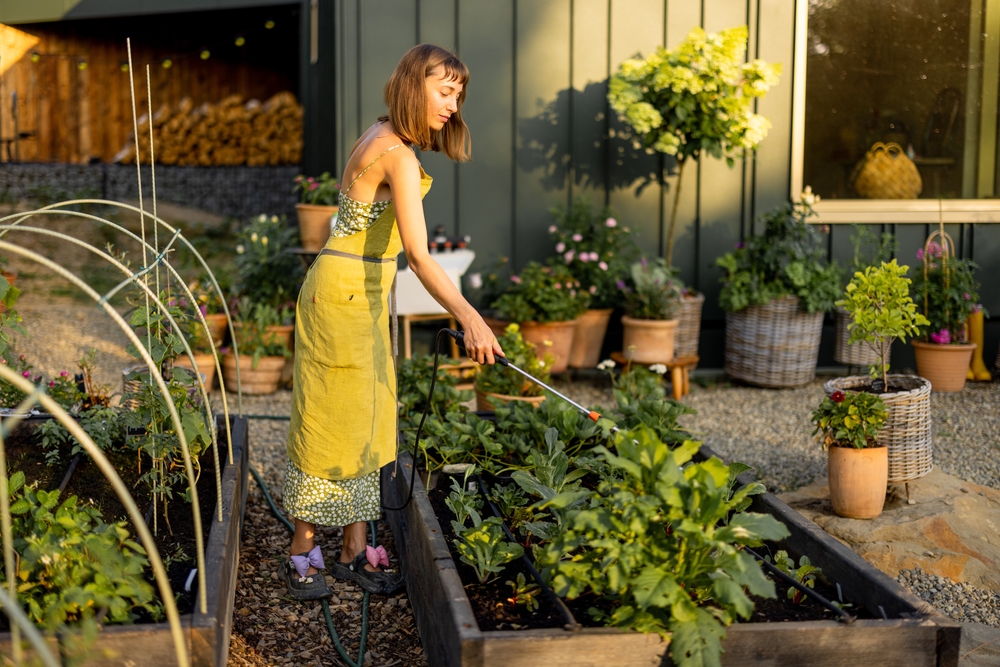
If you’ve only got a patio, a side yard, or a skinny strip of sun near the driveway, every gardening decision has to earn its keep. It’s why the question isn’t just “Will this grow food?” but “Will this grow enough food to justify the time, space, and money?”
When people talk about raised beds, they usually picture tidy boards, rich soil, and fewer weeds, but the real payoff depends on how small your space is and what problems you’re trying to solve. The good news is you don’t need a massive budget or a perfect yard to make a smart call. You just need a simple way to compare what you’re buying against what you’ll actually use. Let’s break it down so you can decide with confidence before you start hauling lumber.
What You’re Really Paying For
The “investment” isn’t only the frame, because most of the cost comes from what goes inside it. If you buy bagged soil and compost to fill a new bed from scratch, the price can jump fast, especially if you build deeper than you truly need. Raised beds also cost attention up front: leveling, placing, and filling takes a weekend you could’ve spent planting.
On the flip side, that start-up work can solve problems that keep a small garden from producing, like compacted soil, drainage issues, or a spot that stays muddy after rain. The smarter way to think about it is this: you’re paying to control the growing environment, not to make the yard look neater.
How Raised Beds Change Small Spaces
In small gardens, raised beds can turn awkward or low-quality ground into a predictable planting zone you can manage. You get clearer boundaries, which helps you avoid wasting space on wide paths, messy edges, and “where should this go?” decisions mid-season.
A defined bed also makes it easier to plant intensively, because you can focus on spacing and succession instead of fighting the soil underneath. Raised beds tend to warm a bit earlier in spring, which can buy you extra growing time when your footprint is limited. The biggest win is consistency: once your soil mix is dialed in, you can repeat what worked instead of reinventing the wheel every year.
Soil Control And Drainage: The Hidden Value
If your native soil is heavy clay, rocky, full of roots, or historically neglected, control is often the whole game. A contained growing area lets you build a soil blend that drains well but still holds moisture, which keeps plants from bouncing between soggy and bone-dry.
That matters more in a small space, because you can’t “plant around” bad patches the way you might in a bigger yard. You also get an easier path to improving fertility, since compost and amendments stay where you put them instead of washing downhill or disappearing into a hardpan layer. When you’re trying to grow a lot in a little, predictable soil can beat “free” soil every time.
Maintenance, Longevity, And DIY Cost Cuts
If you’re worried about price, aim for the smallest build that matches your goals, then spend money where it matters most: good soil and reliable irrigation habits. Shallow beds work for greens, herbs, and many flowers, and they cost less to fill than deep ones that are mostly empty volume.
Choosing simple shapes reduces waste, and using locally available materials can cut the bill more than chasing the “perfect” design online. Raised beds don’t have to be fancy to last; a sturdy, basic frame that holds soil and fits your space will outperform a complicated build you dread maintaining. If you’re handy, you can also phase the project by building one bed now, learning what you love, and adding another later instead of trying to do everything at once.
When In-Ground Wins Instead
Sometimes the best “investment” is skipping construction and putting your budget into compost, mulch, and better watering. If your soil already drains well and you can loosen it with a fork, an in-ground bed can produce just as much without the fill cost. In-ground planting also holds moisture longer in hot weather, which can be a big deal if you can’t water daily.
If you plan to grow sprawling crops like pumpkins or you want to expand over time, flexible rows may fit your long-term plans better than fixed frames. And if you’re renting or may move soon, a temporary setup (containers, grow bags, or a small amended plot) can give you results without committing to a permanent build.
The Bottom-Line Test For Your Yard
Ask yourself what’s limiting your garden right now: soil quality, drainage, space efficiency, comfort, or time. If the limit is poor soil or a spot that stays wet, raised beds can be a practical shortcut to better harvests in the same small footprint.
When the limit is budget, start with one modest bed and track whether it improves yield, ease, and consistency enough to justify adding more. If the limit is watering, plan that first, because even perfect soil won’t fix missed watering in peak summer. The right choice is the one you’ll maintain happily, season after season, without feeling like you bought a project instead of a garden.
Have you found that a small, well-planned garden setup beats a bigger, messier one—and what would make you choose one approach over the other?
What to Read Next…
Is Starting a Small Garden Cheaper Than You Think?
Why Your Raised Beds Might Be Harboring Pests Right Now—Even in Freezing Temps
This Unusual Vegetable Is Making a Comeback in Small Yards
8 Ways to Prepare Garden Beds Without Buying New Soil
11 Evergreen Tree Choices for Small Urban Winter Gardens

Catherine is a tech-savvy writer who has focused on the personal finance space for more than eight years. She has a Bachelor’s in Information Technology and enjoys showcasing how tech can simplify everyday personal finance tasks like budgeting, spending tracking, and planning for the future. Additionally, she’s explored the ins and outs of the world of side hustles and loves to share what she’s learned along the way. When she’s not working, you can find her relaxing at home in the Pacific Northwest with her two cats or enjoying a cup of coffee at her neighborhood cafe.
Leave a Reply