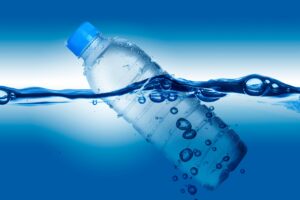
In today’s eco-conscious world, the use of plastic bottles has become a hot topic due to their impact on health and the environment. With an increasing number of studies pointing out the dangers associated with these ubiquitous containers, it is crucial for consumers to understand the risks and consider safer alternatives. Here, we delve into 14 dangers of drinking from plastic bottles and explore viable, healthier options for everyday hydration.
1. Exposure to Harmful Chemicals
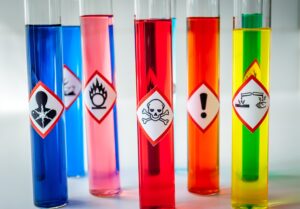
One of the most significant dangers of using plastic bottles is the exposure to harmful chemicals such as Bisphenol A (BPA). BPA is commonly found in polycarbonate plastics and is known to mimic estrogen, potentially leading to hormonal imbalances and reproductive issues. While many manufacturers have started producing BPA-free bottles, these alternatives often contain similar substances like BPS and BPF, which may pose similar health risks.
2. Increased Cancer Risk

Some studies have linked long-term exposure to certain chemicals in plastics, including BPA, to increased risks of certain cancers. This is particularly concerning when plastic bottles are used to store hot liquids or are left in warm environments, conditions that can cause chemicals to leach more rapidly into the water.
3. Impact on Heart Health
Research indicates that BPA exposure may also be linked to heart health issues, including heart disease and high blood pressure. Continuous ingestion of small amounts of this chemical over time can accumulate and potentially lead to significant cardiovascular problems.
4. Developmental Problems in Children

Plastic bottles pose a specific risk to children, as developing bodies are more susceptible to the effects of toxic chemicals. Exposure to BPA during early childhood has been linked to developmental problems, affecting brain development and behavior.
5. Environmental Pollution
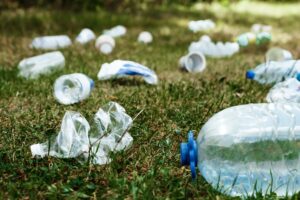
The production and disposal of plastic bottles contribute significantly to environmental pollution. Most plastic bottles are made from petroleum-based products and require significant energy resources for manufacturing. Moreover, they contribute heavily to landfill waste and can take up to 450 years to decompose, leading to severe ecological damage.
6. Wildlife Endangerment

Plastic waste from bottles often ends up in oceans and other natural habitats, posing threats to wildlife. Animals can ingest or become entangled in plastic debris, leading to injury or death. The breakdown of plastics in the environment also releases chemicals that can be harmful to both animals and humans.
7. Risk of Obesity
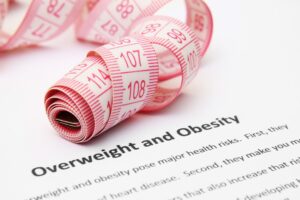
Emerging research suggests a correlation between obesity and the chemicals found in plastic bottles. These chemicals can interfere with the body’s endocrine system and influence fat storage and energy balance, potentially leading to obesity.
8. Contribution to Diabetes
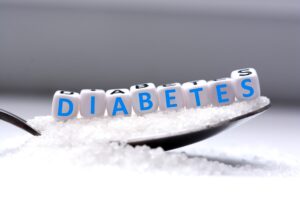
Chemicals like BPA are suspected to affect glucose metabolism, which could increase the risk of diabetes. Regular consumption from plastic bottles may subtly alter insulin response and glucose levels, exacerbating or potentially triggering diabetic conditions.
9. Decreased Fertility
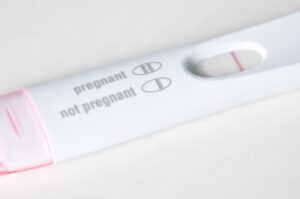
Both male and female fertility can be impacted by chemicals leached from plastic bottles. Studies have shown that BPA exposure can affect egg quality and sperm count, thereby reducing fertility and making conception more challenging.
10. Liver Toxicity
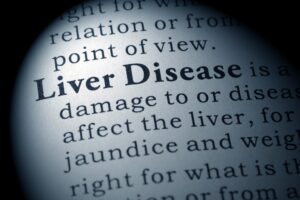
Toxicological studies have shown that chemicals in plastics, such as phthalates and BPA, can accumulate in the liver, causing oxidative stress and liver toxicity. This accumulation can impair liver function and lead to long-term health complications.
11. Air Pollution
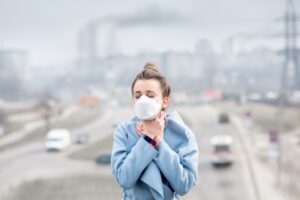
The production process of plastic bottles releases volatile organic compounds (VOCs) and other pollutants into the atmosphere, contributing to air pollution and affecting overall climate health. These emissions can have direct and indirect health impacts on the population.
12. Risk of Asthma and Allergies
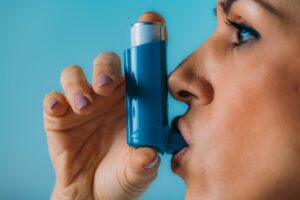
Exposure to phthalates, which are often found in soft plastics, has been linked to increased risks of asthma and allergies. These chemicals can off-gas into the environment, exacerbating respiratory conditions and triggering allergic reactions.
13. Neurological Impairments

There is growing concern over the potential neurological impacts of chemicals in plastic bottles. Chronic exposure to these substances might lead to neurodegenerative diseases or cognitive impairments, especially in populations with high exposure levels.
14. Weakening Immune System

Studies suggest that continuous exposure to certain plastic-associated chemicals can weaken the immune system, making the body more susceptible to infections and diseases. This is particularly concerning for young children and the elderly, who may already have vulnerable immune systems.
Alternatives to Plastic Bottles
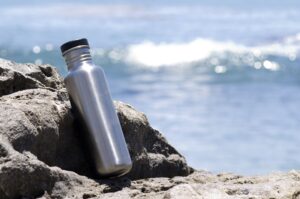
Given the numerous risks associated with plastic bottles, it is wise to consider alternatives:
- Glass Bottles: Glass is free from harmful chemicals and can be reused and recycled indefinitely without loss of quality or purity.
- Stainless Steel Bottles: These are durable, easy to clean, and completely recyclable, making them an excellent option for reducing personal and environmental health risks.
- Ceramic Bottles: Ideal for those concerned about taste and purity, ceramic bottles offer a neutral flavor and effective insulation for beverages.
Don’t Ignore the Potential Dangers of Drinking from Plastic Bottles
The dangers of plastic bottles extend far beyond convenience at the cost of health and environmental integrity. By understanding these risks and opting for healthier, more sustainable alternatives, individuals can contribute to a safer, greener planet while also safeguarding their health. As consumers become more informed, the demand for non-plastic bottle options is likely to grow, steering more companies toward sustainable packaging solutions.
Read More:
Health Myths Busted: 12 Things You Thought Were Bad for You but Aren’t
12 Unexpected Health Benefits of Gardening That Go Beyond Fresh Produce

Catherine is a tech-savvy writer who has focused on the personal finance space for more than eight years. She has a Bachelor’s in Information Technology and enjoys showcasing how tech can simplify everyday personal finance tasks like budgeting, spending tracking, and planning for the future. Additionally, she’s explored the ins and outs of the world of side hustles and loves to share what she’s learned along the way. When she’s not working, you can find her relaxing at home in the Pacific Northwest with her two cats or enjoying a cup of coffee at her neighborhood cafe.
Leave a Reply