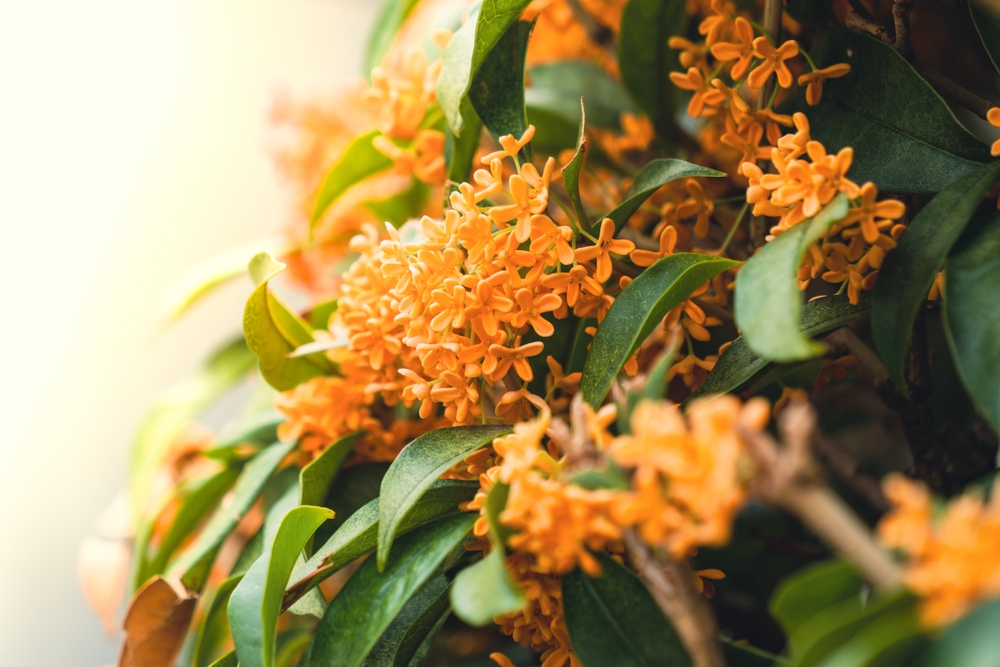
You step outside on a crisp autumn morning and—whoa—something in the air smells incredible. Maybe it’s the gardenia near the porch or the honeysuckle climbing the fence, but whatever it is, it’s stronger, sweeter, and somehow more alive than it was all summer. Fall, it seems, brings out the perfume in plants.
But why does nature suddenly decide to crank up the scent dial just when the leaves start falling and sweaters make their grand return? Turns out, there’s some fascinating science—and a little bit of seasonal magic—behind why certain plants smell so much more potent in the fall.
Cooler Temperatures Change the Chemistry
Heat tends to make fragrance molecules evaporate quickly, often before we even get the chance to enjoy them. But once cooler autumn air rolls in, those same molecules linger longer, giving your nose a better shot at catching them. The slower evaporation rate actually allows the scent to “hang” in the air like a cozy blanket instead of vanishing into the wind. In other words, the fragrance doesn’t necessarily get stronger—it just sticks around longer. So when the weather cools, you’re not imagining things: those roses and lavender bushes really do smell more intense and long-lasting.
Plants Go All Out Before Dormancy
As fall approaches, many plants start preparing for winter’s big nap. Before they go dormant, they put on one last show—blooming, producing fruit, and, yes, pumping out irresistible scents. This late-season fragrance surge isn’t just for human enjoyment; it’s nature’s way of attracting pollinators while there’s still time. Bees, moths, and other insects are drawn to strong aromas, helping the plant reproduce before frost sets in. So when you notice your jasmine or sweet alyssum smelling stronger than ever, it’s basically the plant’s dramatic farewell performance before the curtain drops for winter.
The Air Itself Makes Scents Stronger
Cooler, denser air has another effect: it carries scent molecules differently. During summer, warm air rises and disperses fragrance quickly, which dilutes how strong it smells. In fall, the air is denser and stiller, so aromas settle closer to the ground—and to your nose. This means that walking through a fall garden can feel like stepping into an invisible cloud of perfume. Even a small cluster of herbs or late-blooming flowers can smell ten times stronger because the air is helping those scents stay concentrated.
Stress Makes Plants More Aromatic
Believe it or not, plants can experience stress—and when they do, they sometimes smell better. Seasonal stress, like shorter daylight hours and dropping temperatures, triggers plants to produce more essential oils as a natural defense mechanism. These oils protect them from pests, dehydration, and sudden cold snaps. Ironically, the very compounds they create for survival are what we interpret as delightful fragrances. So when that sage or rosemary seems extra fragrant in fall, it’s partly because they’re bracing for the chilly months ahead.
Moisture and Morning Dew Intensify Aromas
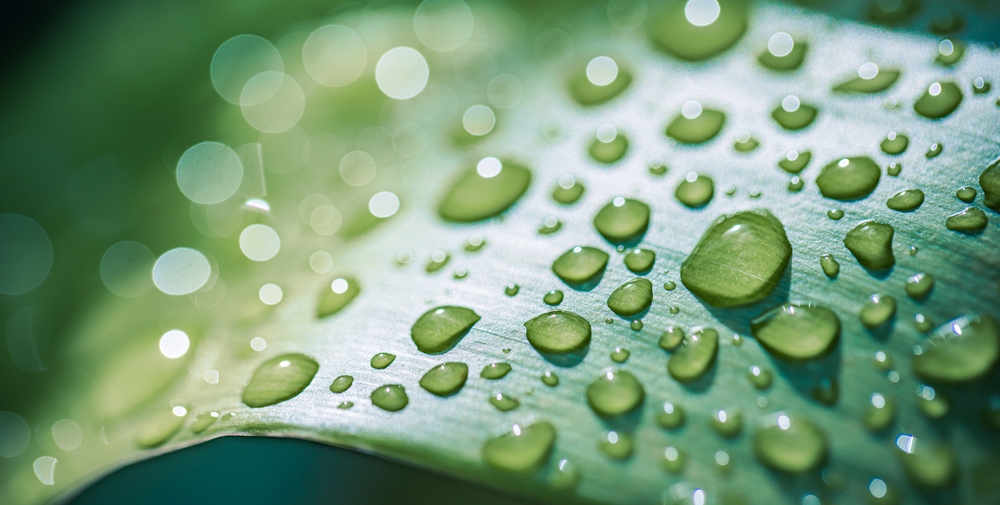
Another autumn secret? Dew. Cool nights and mild days create the perfect conditions for early-morning moisture, and that moisture amplifies scent. When plant oils mix with water droplets, they release volatile compounds more slowly, creating a steady wave of fragrance as the sun rises and dries the dew. It’s one of the reasons why early fall mornings smell especially lush and earthy. The scent isn’t just in your imagination—it’s literally being reactivated by tiny beads of water on the petals and leaves.
Fewer Competing Odors in the Air
Summer is full of competing smells: cut grass, barbecue smoke, blooming everything. By fall, the air clears out—less pollen, fewer pollutants, and fewer strong floral emissions from other plants. That cleaner atmosphere gives certain plants the spotlight they deserve. Without the sensory clutter of midsummer, your nose can finally pick up the subtleties of late-blooming species like chrysanthemums, heliotropes, and osmanthus. It’s like the botanical version of turning down the background noise so you can hear the solo.
Night-Bloomers Love Autumn Evenings
Some plants save their best scents for nightfall, and fall gives them the perfect stage. Cooler evenings with gentle humidity trap aroma molecules near the ground, which enhances how far their fragrance travels. Night-blooming jasmine, nicotiana, and even some varieties of lilies become intoxicating under these conditions. It’s almost like nature designed autumn evenings for slow walks and deep breaths. The combination of still air, subtle warmth, and blooming night flowers is pure seasonal romance for your senses.
The Science of Smell Gets Sharper in Fall
Here’s something most people don’t realize: your nose actually gets better at detecting scents in fall. The cooler air is cleaner and less humid, which makes it easier for your olfactory receptors to pick up distinct aromas. In summer, heavy humidity can overwhelm those receptors, dulling your sense of smell. Fall reverses that, sharpening your awareness of even the faintest floral or herbal notes. So part of that stronger scent might not be the plant itself—it could be you, breathing in the season with a more sensitive sniffer.
Gardeners’ Secret: Late-Season Bloomers Are the Hidden Stars
Some of the most fragrant plants actually hit their stride in autumn. Varieties like sweet olive, four o’clock flowers, and certain types of roses or salvias bloom just as the weather cools down. Because fewer plants are flowering at this time, these species don’t have much competition for pollinators—or your attention. Their evolutionary advantage? Smell stronger, stand out, and attract every last bee or butterfly before winter. If you’ve ever wondered why your late-blooming garden smells more heavenly than your spring one, this is exactly why.
The Autumn Aroma Advantage
When you take a deep breath in fall and catch that sweet, lingering fragrance in the air, you’re experiencing the perfect mix of chemistry, climate, and biology. Cooler air preserves scent molecules, plants push out their final fragrant efforts, and your sharpened sense of smell meets them halfway. It’s nature’s last hurrah before the quiet of winter—and a reminder that beauty doesn’t always fade with the season; sometimes, it just changes form. So next time your garden smells like a perfumery in October, take a moment to enjoy it and appreciate the science behind the scent.
Have a favorite fall fragrance or a plant that surprises you every year? Share your thoughts, stories, or sniff-worthy discoveries in the comments below.
You May Also Like…
- 9 Fruits to Harvest Before the Birds Do
- 8 Insects That Actually Help in Fall Gardens
- How Root Vegetables Store Nutrients Differently in Autumn
- 9 Plants That Attract Pollinators in the Cool Months
- Why Over-Fertilizing Kills More Plants in Fall

Brandon Marcus is a staff writer for FrugalGardening.com at District Media, Inc., where he delivers practical gardening advice with a relatable, no-nonsense style. An avid amateur gardener, he holds a BA degree and with over ten years of professional writing experience, he is also an award-winning published author whose first book, Questions For Deep Thinkers, was released by Adams Media. His work has appeared in major publications including Fandom.com, CHUD.com, TheColdWire.com, and Fansided.com.
Leave a Reply