• Skip to primary navigation
  • Skip to main content
  • Skip to primary sidebar

Frugal Gardening

Simple ways to save money while you garden

  • About
  • Contact Us
  • Garden Frugally
  • Buy These
  • Privacy Policy
  • Navigation Menu: Social Icons

    • Facebook
    • Pinterest
    • Twitter

Profitable Greenhouse Crops: Money in Your Pockets

March 30, 2020 by Steph Coelho Leave a Comment

Profitable greenhouse crops

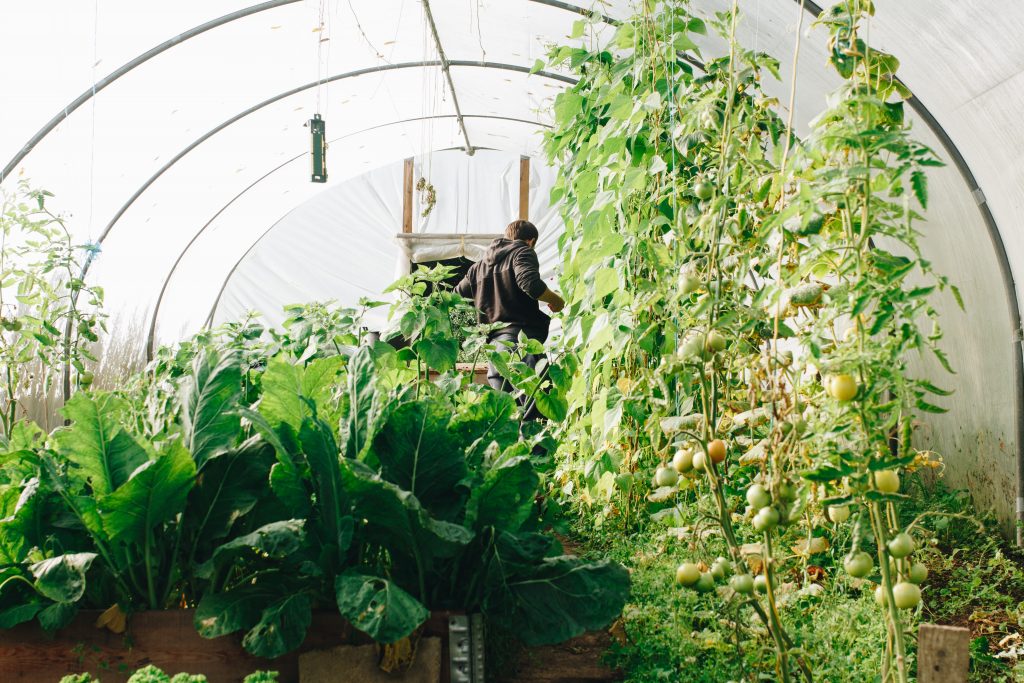
You’ve been growing for a while. You’ve built a DIY greenhouse (or invested in one) and decided that you want to turn your hobby into a profitable small business. Which plants should you focus on growing to ensure steady cash flow? Here are the most profitable greenhouse crops that you should consider growing:

Tomatoes

Tomatoes are the star of the garden world, and they thrive in greenhouse conditions. People love tomatoes! Choose specialty varieties, like heirloom strains, to offer unique selections to your customers. Pick indeterminate varieties for a continuous yield. No farmer’s market stand is quite right without tomatoes, after all. 

Leafy greens

Lettuce, kale, chard, spinach are highly sought after produce items. There are also plenty of specialty varieties that can be marketed as gourmet. Leafy greens are easy to grow and harvest. They also mature quicker than many other types of produce. Spinach, for instance, takes less than a month before it’s ready to harvest. People don’t mind paying a premium for fancy, flavorful lettuce mixes. 

Rhubarb and Swiss Chard both great options that have edible leafy red stalks, and you can use this free comprehensive guide on how to harvest rhubarb.

Herbs

Basil, cilantro, sage, rosemary. These are all popular with both chefs and home cooks. Most herb plants offer multiple harvests and require minimal space. You can grow them alongside other high-yield crops, as well. If you have an overflow of herbs, it’s also possible to dehydrate them and sell dried, packaged herbs to customers. 

Microgreens

Microgreens are a super-profitable greenhouse crop. They’re also incredibly easy to grow and provide a hefty return. You don’t even need a greenhouse to get started with growing microgreens, but a dedicated space is definitely an advantage. It takes less than a month to grow a tray of microgreens so you can harvest A LOT during a season. They also fetch a high price per pound. People love them because they’re tasty and nutritious. The drawback of this crop, though, is the short shelf life. 

Things to consider before jumping right in

Of course, starting a hobby farm business and selling profitable greenhouse crops is a bit more complicated than selecting high-value plants. You can’t sell produce without a buyer. Who will buy your plants? Will you sell directly to a local restaurant? Or do you plan to set up at a farmer’s market? Considering demand is vital. Don’t choose what to grow before you fully understand what your buyer wants. If your goal is to sell to a local restauranteur, have a chat and ask about what they might need then plant accordingly. 

Think also about how long individual plants take to mature. Tomatoes are popular at farmer’s markets, but they also require a long growing season and take up a significant amount of space. Does it make sense to focus on this crop if you have a tiny greenhouse space? Or should you focus on quick-growing plants that will yield multiple harvests and provide more opportunities for income?

Don’t forget to factor in the effort required to grow plants. Certain types of produce require a lot more effort to grow than others. Many greens, for instance, don’t require a lot of babysitting, but eggplants and tomatoes need a lot more TLC. 

Photograph of Steph Coelho.
Steph Coelho

Steph Coelho is a freelance writer gardening in zone 5b. She is a certified Square Foot Gardener and has taught various garden-related workshops. When she’s not digging in the dirt or writing, she’s cooking up fresh produce, running, or listening to her favorite podcasts.

Filed Under: garden income, greenhouse Tagged With: garden income, greenhouse, herbs, income, leafy greens, making money in the garden, microgreens, tomatoes

Previous Post: « The Pandemic: a Gardener’s View
Next Post: Victory Garden Planning during a Pandemic »

Reader Interactions

Leave a Reply Cancel reply

Your email address will not be published. Required fields are marked *

Primary Sidebar

Struggling to get your garden off the ground? Put those days behind you with our special starter kit – perfect for thrifty green thumbs everywhere. Get growing and add a splash of color today!

Popular Posts

  • usda free seeds websiteHow To Get Free Seeds From The Government by Amanda Blankenship Seeds might seem like a small expense, but any seasoned…
  • Enviro Ice On PlantsShould I Use Enviro Ice On My Plants? by Kathryn Vercillo Every week, I receive food from Hungryroot. It's a great…
  • is shredded paper good for the gardenFrom Trash to Treasure: Transform Shredded Paper Into Garden Gold by Amanda Blankenship Should you use shredded paper as garden mulch? It might…
  • Enviro IceWhat Happens to Plants If You Use Enviro Ice on Them? by Amanda Blankenship About a year ago, I wrote our first article about…
5 Ways to Reduce Weed Growth Without Chemicals

5 Ways to Reduce Weed Growth Without Chemicals

An out-of-control garden never looks accidental—it looks defeated. Weeds push through cracks, stretch across flower beds, and take over space like they own it, turning a once-proud patch of green into a messy battleground. But here’s the twist: weeds only win when the ground invites them. Change the conditions, and suddenly those stubborn invaders lose…

Read More

The Quick Fix for Sandy Soil That Won’t Wash Away

The Quick Fix for Sandy Soil That Won’t Wash Away

A garden should not feel like a losing battle against gravity and time, yet sandy soil pushes everything in that direction. Water rushes through it, nutrients vanish almost instantly, and plants struggle to hold on like they landed in the wrong universe. Anyone hoping for lush greenery or even a modest harvest quickly realizes that…

Read More

How to Boost Pollinators Without Adding Flowers

How to Boost Pollinators Without Adding Flowers

The buzz around pollinators keeps getting louder, and for good reason. Bees, butterflies, beetles, and even bats hold entire ecosystems together, yet their numbers keep dropping at a worrying pace. Everyone hears the same advice: plant more flowers. That sounds great until space runs out, budgets tighten, or climates refuse to cooperate. A yard, balcony,…

Read More

How to Tell When Plants Are Root-Bound

How to Tell When Plants Are Root-Bound

A plant can look perfectly fine one week and suddenly act like it has given up on life the next. Leaves droop, growth slows, and watering stops working the way it should. That shift doesn’t happen by accident, and it rarely shows up without a reason. Roots, hidden out of sight, often hold the answer….

Read More

  • About
  • Contact Us
  • Garden Frugally
  • Buy These
  • Privacy Policy
  • Navigation Menu: Social Icons

    • Facebook
    • Pinterest
    • Twitter
  • Facebook
  • Pinterest
  • Twitter

Copyright © 2026 · Foodie Pro & The Genesis Framework