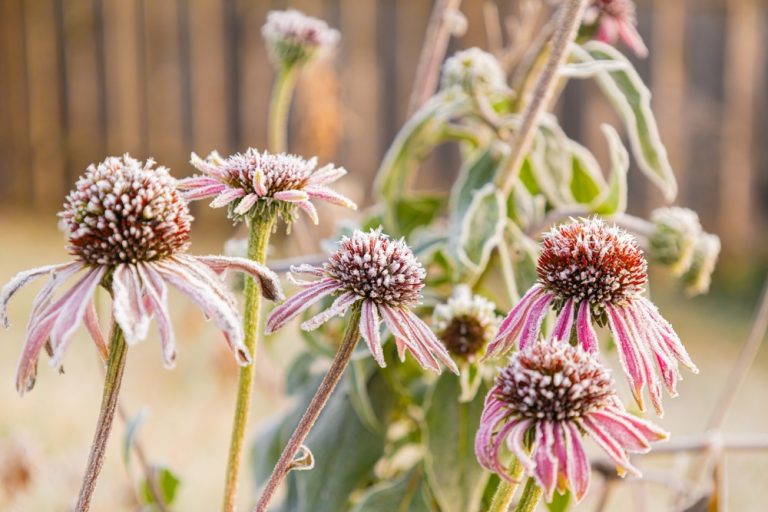
The first frost can turn a lush garden into a sad collection of blackened stems almost overnight, but not every plant needs to meet its chilly fate. Some garden favorites deserve a rescue mission before temperatures dip, especially plants that can move indoors, produce more food, or return next year from stored roots. The important…
tomatoes
9 Seeds Worth Saving From Your Garden Before the Season Ends
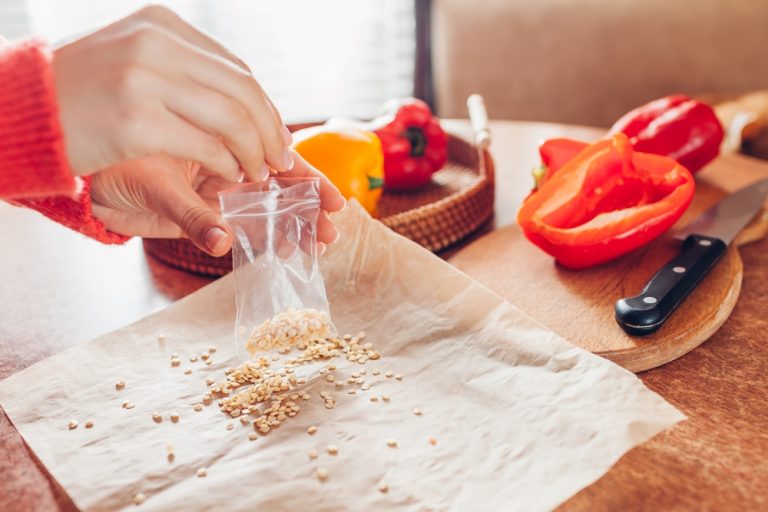
Garden season may be winding down, but some of its best souvenirs hide inside the vegetables and flowers already growing outside. Saving seeds lets gardeners carry favorite varieties into another growing season, and it can turn one especially delicious tomato, sturdy bean plant, or gorgeous flower into next year’s starting lineup. Not every seed deserves…
Should You Save Seeds From Grocery Store Produce? Sometimes It Works, Sometimes It Doesn’t
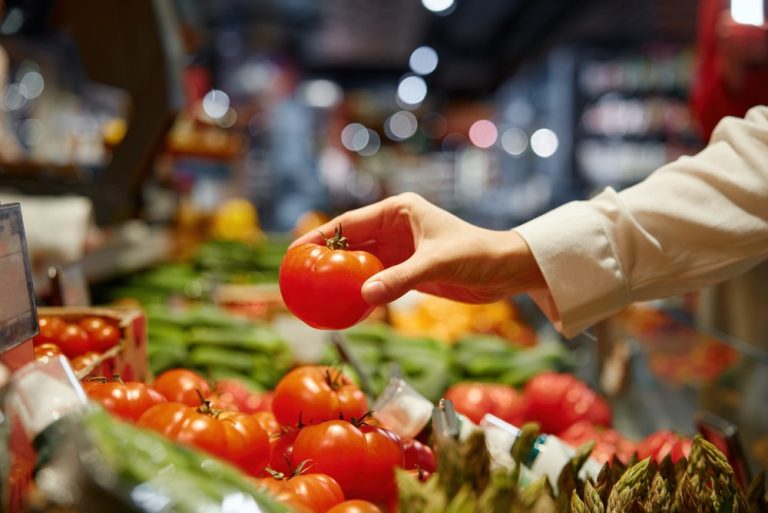
That tomato from the grocery store could become next summer’s tomato plant, but it could also become a very elaborate science experiment with leaves and no decent fruit. Grocery store produce sometimes contains perfectly viable seeds, yet the seed’s ability to grow tells only part of the story. The bigger question involves what kind of…
Should You Pull That Summer Vegetable Plant Yet? The Answer Isn’t Always Yes
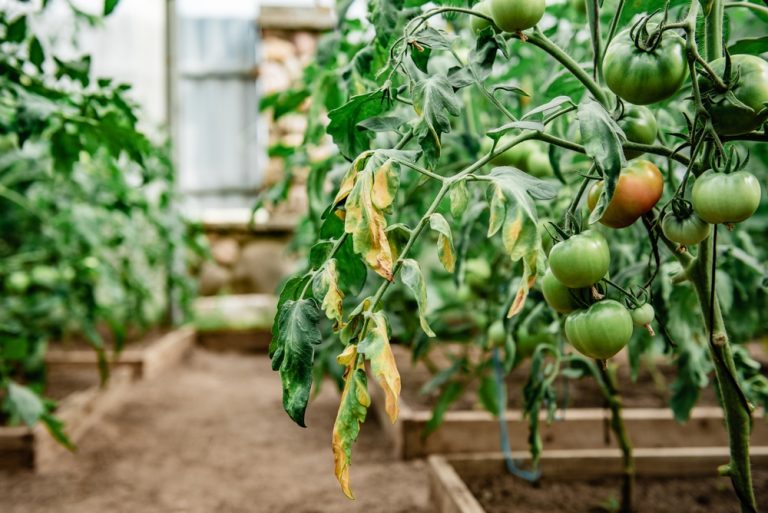
A summer vegetable plant can look downright exhausted by late season and still have a few good harvests hiding up its sleeves. Yellowing leaves, bare stems, sprawling vines, and the occasional suspicious-looking tomato can make the garden seem ready for a cleanup crew, but appearance alone does not tell the whole story. The better question…
Don’t Rip Out Your Summer Garden Yet: 8 Plants That May Keep Producing Into Fall
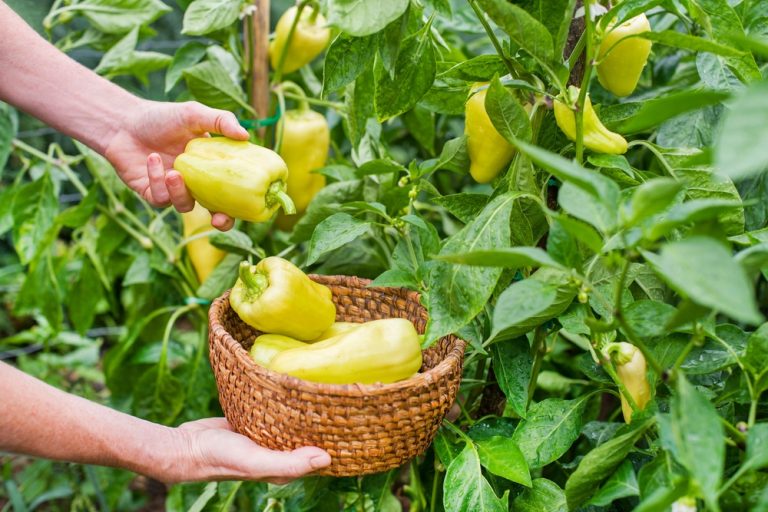
Summer may be packing its bags, but the garden does not always get the memo. Tomatoes can keep setting fruit, peppers can continue coloring up, and a well-established bean plant may still have plenty of pods hiding beneath its leaves when cooler mornings arrive. That makes late August and early fall a terrible time for…
What to Know About Crops That May Recover After a Heat-Stress Slump
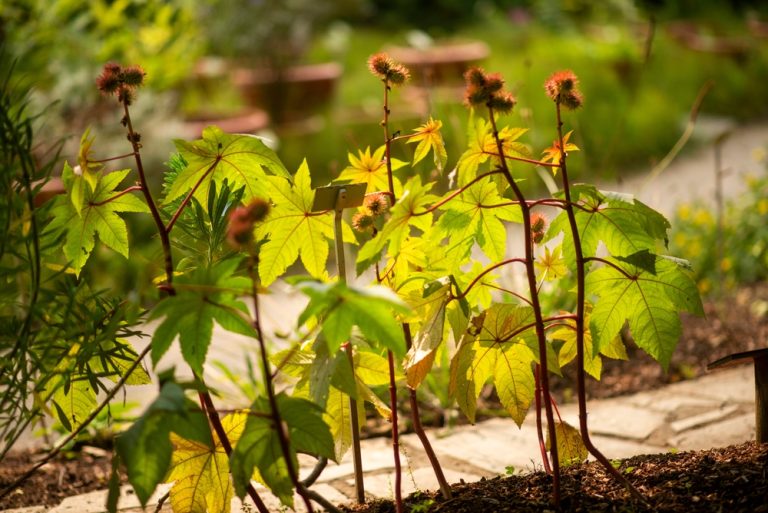
A heat wave can make a vegetable garden look like it has filed for early retirement. Leaves curl, blossoms disappear, fruit production slows, and perfectly healthy plants can suddenly look rather unimpressed with the whole gardening arrangement. The good news: heat stress does not automatically mean a crop has reached the end of its story….
5 Edible Plants That Can Replace Empty Patio Annuals
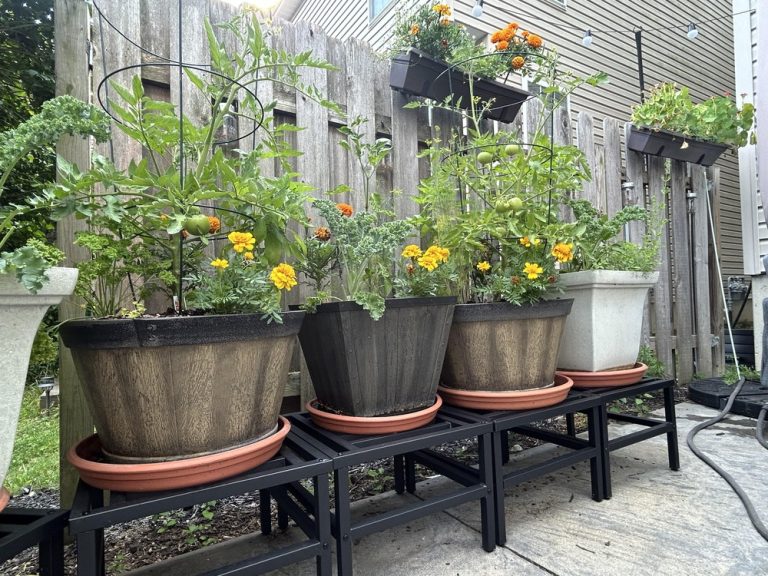
Patio containers do not have to choose between looking good and putting food on the table. Instead of filling every empty pot with another ornamental annual, gardeners can tuck edible plants into those sunny spaces and get flowers, foliage, fruit, or fresh herbs in return. The trick involves choosing plants that enjoy container life and…
6 Crops That Benefit From Cooler Nights More Than Cooler Days
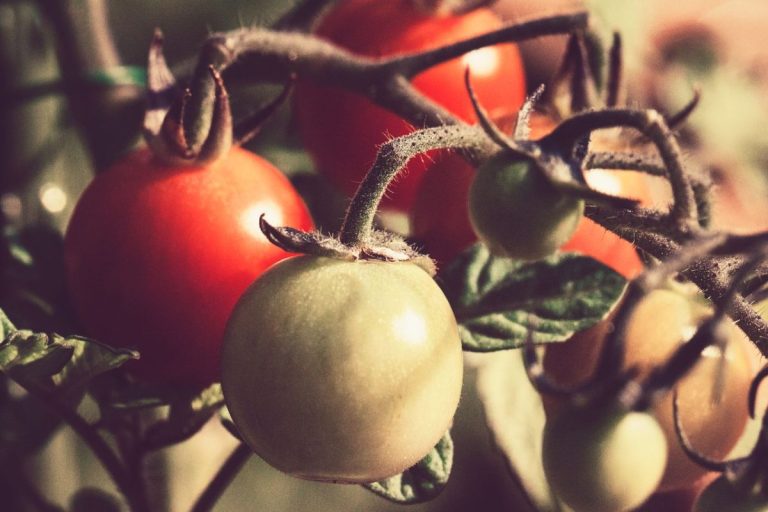
Some garden crops do not need the daytime temperature to drop much to appreciate relief. They simply want the sun to clock out, the air to cool down, and the garden to get a little breathing room. For certain warm-season vegetables and fruits, cooler nights can support flowering, fruit development, flavor, and overall plant performance…
Why Do Tomatoes Develop Yellow Shoulders Near the Stem?
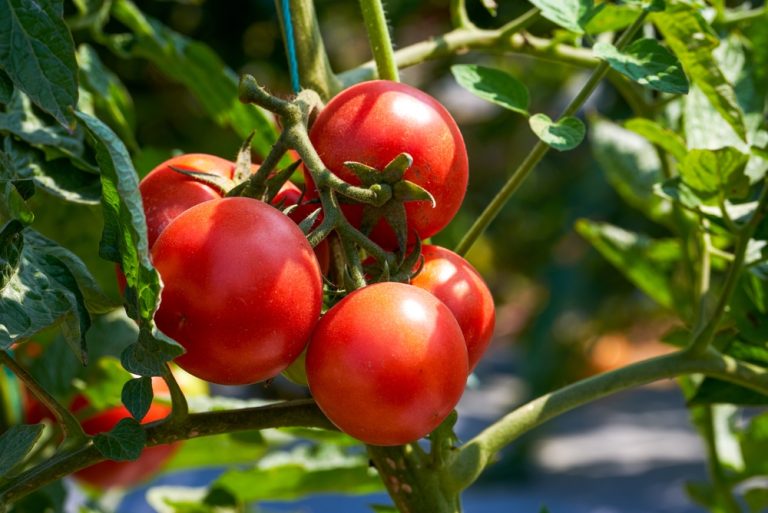
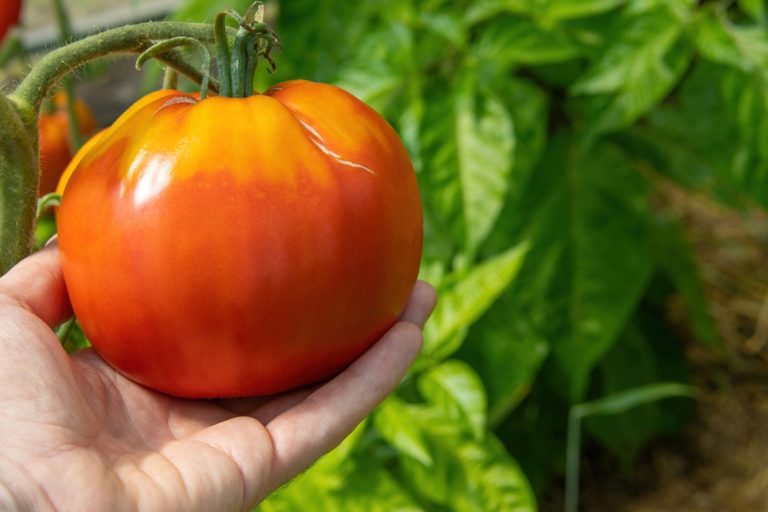
A tomato can look perfectly ripe everywhere except the area closest to the stem, where a stubborn patch of yellow, green, or pale orange refuses to join the red party. Those discolored areas, known as yellow shoulders, usually point to a ripening problem caused by intense heat and strong sunlight, not a mysterious disease stalking…
8 Ways to Use Overripe Garden Produce Before It Spoils
A garden can go from “nothing is ready yet” to “why are there 47 zucchini on the counter?” with astonishing speed. Overripe tomatoes soften, cucumbers turn yellow, peppers wrinkle, and fruit can move from perfectly edible to questionable before the weekend even arrives. Slightly past-prime produce still has plenty of work left to do in…