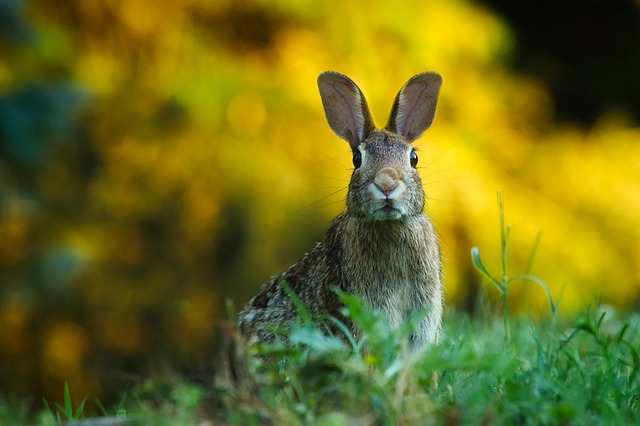
I’ve never had to deal with deer fussing about in my garden, but I have had plenty of squirrels, rabbits, raccoons, gophers, and cats use my raised beds as their very own buffet, walking path, and toilet. I’m speaking from my own limited experience here. But I’ve never felt comfortable with the idea of hunting garden pests.
I used to live in a busy suburban neighborhood where the squirrels reigned supreme. Now, I live in a small community that borders rural land. There are more trees here and plenty of wildlife. Every year, I have to grapple with pests (insects and mammals, alike) enjoying my fresh produce as their own.
It’s infuriating. All that effort gone when a squirrel decides to take a small chomp out of every bean seedling. All that effort gone when birds get to seeds before they can even sprout. All that effort gone when a rabbit chows down on my lettuce that I’ve managed to protect from early bolting. All that effort when a cat decides my garden beds are its personal litter box. All that effort when something — and I can’t be sure what — decides to uproot whatever it wants in the middle of the night seemingly just for fun.
You’d think I’d be on board with hunting to get rid of garden pests, but I’m not. I recognize that hungry critters can really ruin the gardening season if they’re relentless enough, but I have the same attitude towards animal pests as I do insect critters and weeds.
Taking up space
We are in their space. Humans have taken up residence where once there was nothing but nature abound. It is not my right to delete these creatures to fit my idea of the perfect garden. Instead, I try my very best to work around the nuisance.
I have a different approach to an indoor invasion, granted, but that’s mainly because indoor pests pose a more significant threat to household members’ health and safety.
Outside, I’m not the boss. I try to work with Mother Nature, not against her. For one, I don’t feel morally comfortable killing animals to make my life easier in the context of gardening. It’s my hobby. While I try to grow plenty of food to eat and save money, I won’t perish if a crop gets devoured by hungry creatures. I also think there are plenty of ways to co-exist peacefully with these so-called invaders. Hunting garden pests just isn’t in the cards for me.
Pest covers have really helped me stay sane this year by keeping squirrels, birds, and cabbage moths away from my delicate brassica seedlings. They’ve been working so well I’m considering adding them to two more beds. Barriers should be the first resort when dealing with nasty pests. I also grow extra lettuce to keep rabbits happy and out of my main beds. Most of my beds are high enough to keep small critters out, too.
Cats seem to trot whoever they please no matter what I do, but the pest covers have done wonders to keep their paws out of my beds. I even still plant catnip to invite them to visit because I enjoy the company of sweet, docile neighborhood kitties.
Breathe and reflect
I am an impatient gardener, and even I can find a moment to take a deep breath and ask myself if getting worked up is worth it. Would it be easy to murder all the squirrels running around my plots? Absolutely! It wouldn’t be psychologically simple, but it would really eliminate a big problem for me. Still, I don’t think it’s my right to say what belongs where.
I decided to enter the world of gardening, and I made a deal with myself that I would work with the forces of nature and not against them. Who am I to know what the consequences of my actions might be? Haven’t we, as humans already made poor decisions in this regard? Pesticide use for pest control has decimated bee populations and is having important ramifications.
Yes, it’s harder to take the long road. But a little effort is what it takes to grow a plant from seed in the first place. Surely, as gardeners, we have it in us to accept and handle a few extra roadblocks on our way to success.
If this kind of gardening philosophy appeals to you, I highly recommend reading Michael Pollan’s book Second Nature: A Gardener’s Education. It’s a book that changed the way I think about how I view so-called garden invaders.

Steph Coelho is a freelance writer gardening in zone 5b. She is a certified Square Foot Gardener and has taught various garden-related workshops. When she’s not digging in the dirt or writing, she’s cooking up fresh produce, running, or listening to her favorite podcasts.
Um, doesn’t the bible say that hunting is okay?
Man has dominion over all the animals…its just up to use to hunt them responsibly…