• Skip to primary navigation
  • Skip to main content
  • Skip to primary sidebar

Frugal Gardening

Simple ways to save money while you garden

  • About
  • Contact Us
  • Garden Frugally
  • Buy These
  • Privacy Policy
  • Navigation Menu: Social Icons

    • Facebook
    • Pinterest
    • Twitter

Harvesting Rainwater for the Frugal Gardener

November 23, 2020 by Steph Coelho Leave a Comment

Harvesting Rainwater for the Frugal Gardener


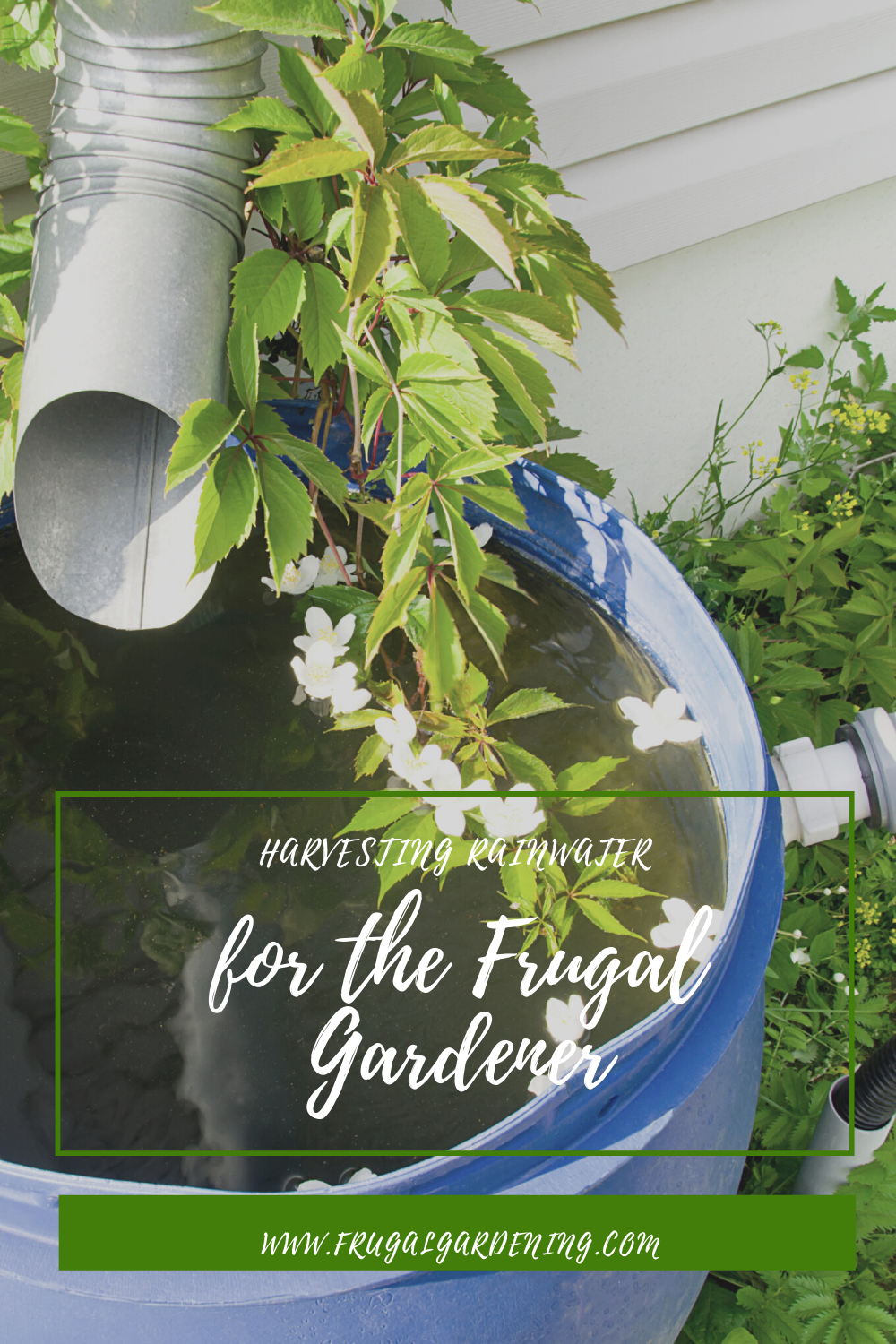
Gardening requires quite a bit of water. For many gardeners that means an increase in their water bill during the hot summer months. Statistics show that lawn and garden watering make up at least 40% of our total household water use. Frugal gardeners, however, can take advantage of rainwater by bringing back an age-old, low-tech system of collecting water from roofs and gutter systems into rain barrels, or cisterns as they have been called. By harvesting rainwater, you can keep your little corner of the world green, decrease stormwater runoff, and cut costs all at the same time.

Harvesting rainwater

One inch of rain on a 1,000 square foot roof will produce 600 gallons of water. Capture just some of that chemical-free rain in a container of any kind and you’ll be able to keep your veggie garden thriving and your flowers blooming all season, with no added expense. Your plants will thrive with the natural rainwater compared to water from municipal systems and the chemicals they typically add. Rainwater is a free source of soft water and also excellent for your houseplants.

Most rain barrels now come with the fittings for hooking up a hose, so getting harvesting rainwater is as simple as locating a barrel under a gutter and screwing in your hose. If you have a very small garden plot, or only use small containers, you can opt for a simpler system. Locate a barrel under a downspout and just dip your watering can in when you are planning to water your plants and containers. Each time it rains, you can store water up for the dry days or days you can’t water due to summer rationing schedules.

Due to the amount of water coming off a roof, it is important to have a plan for overflow. It’s important to have a valve to switch tanks. You can also go low tech and manually move the downspout away from the already full barrel to keep from having a mini Niagara Falls next to your buildings’ foundation.

As with anything that holds water, be sure your system has a child-proof, secure lid to prevent accidents. You might also want to screen the opening to your container, not only keeping debris out of the water but discouraging mosquitoes from breeding.

Where to get a water barrel?

Here’s a list of a few of the companies that carry water barrels and supplies to help you set up a water storage system. Remember, your system for harvesting rainwater can be as simple or as complex as you have time and money for. Just the savings from setting up one downspout and a barrel will make a difference. What frugal gardener doesn’t want to tap into a free resource?

  • Clean Air Gardening
  • NE Design
  • Midwest Internet Sales
  • Spruce Creek Rain Saver
  • Garden Water Saver

Check local regulations

Before purchasing anything, be sure to check with the water department where you live to see if they are sponsoring a Rain Water Harvesting project. Many cities encourage the installation of rain barrels as a method of conservation. They may offer the barrels at a reduced price or give rebates if you purchase your barrel elsewhere. Some towns even offer workshops and supplies to build your own systems.

Rain barrels are one of the simplest, cheapest ways to conserve water, allowing you to treat rainwater as a resource and not a waste product. Harvesting rainwater on your property can help make your garden a more environmentally friendly space.

Installing a Rain Barrel

Rain Water Harvesting 

Photograph of Steph Coelho.
Steph Coelho

Steph Coelho is a freelance writer gardening in zone 5b. She is a certified Square Foot Gardener and has taught various garden-related workshops. When she’s not digging in the dirt or writing, she’s cooking up fresh produce, running, or listening to her favorite podcasts.

Filed Under: frugality, garden tools, saving money, water, watering Tagged With: eco-friendly, rain barrel, rainwater, rainwater harvesting, reuse, water, watering

Previous Post: « 7 Garden Gnomes Perfect for Gifting This Holiday Season
Next Post: Do Pre-Packaged Seeds Grow Faster Than Fresh Seeds? »

Reader Interactions

Leave a Reply Cancel reply

Your email address will not be published. Required fields are marked *

Primary Sidebar

Struggling to get your garden off the ground? Put those days behind you with our special starter kit – perfect for thrifty green thumbs everywhere. Get growing and add a splash of color today!

Popular Posts

  • usda free seeds websiteHow To Get Free Seeds From The Government by Amanda Blankenship Seeds might seem like a small expense, but any seasoned…
  • Enviro Ice On PlantsShould I Use Enviro Ice On My Plants? by Kathryn Vercillo Every week, I receive food from Hungryroot. It's a great…
  • is shredded paper good for the gardenFrom Trash to Treasure: Transform Shredded Paper Into Garden Gold by Amanda Blankenship Should you use shredded paper as garden mulch? It might…
  • Enviro IceWhat Happens to Plants If You Use Enviro Ice on Them? by Amanda Blankenship About a year ago, I wrote our first article about…
The Baking Soda Secret for Sweeter Tomatoes Every Time

The Baking Soda Secret for Sweeter Tomatoes Every Time

Gardeners chase that perfect tomato flavor all season long—rich, juicy, and just sweet enough to make every bite unforgettable. The surprising twist? A simple pantry staple often holds the key to unlocking that sweetness without expensive fertilizers or complicated techniques. Baking soda, humble and inexpensive, has sparked plenty of buzz among backyard growers for its…

Read More

Why Professional Growers Use White Vinegar Instead of Expensive Sprays

Why Professional Growers Use White Vinegar Instead of Expensive Sprays

A simple bottle sitting in most kitchen cabinets has quietly become a powerhouse tool in commercial growing operations. Professional growers often skip pricey chemical sprays and reach for a far cheaper, highly effective solution: white vinegar. This everyday liquid delivers surprising results across weed control, pest management, and soil balance when used correctly. It costs…

Read More

The Aspirin Trick: How a 10-Cent Pill Boosts Your Plant’s Immune System

The Aspirin Trick: How a 10-Cent Pill Boosts Your Plant’s Immune System

Gardeners enjoy a good hack, especially one that costs pocket change and delivers real results. That tiny aspirin tablet sitting in a medicine cabinet holds surprising power far beyond headache relief. Plants respond to aspirin in a way that feels almost like a secret handshake with nature itself. With the right approach, this simple trick…

Read More

The Cinnamon Hack: The $1 Kitchen Spice That Kills Garden Fungus

The Cinnamon Hack: The $1 Kitchen Spice That Kills Garden Fungus

Garden fungus doesn’t just ruin leaves—it quietly sabotages entire harvests. Powdery mildew, damping-off, and leaf spot spread fast, especially in warm, humid conditions, leaving plants weak and unproductive. Store-bought fungicides can cost a surprising amount and often contain chemicals that gardeners hesitate to use around edible crops. That’s where cinnamon steps in as a simple,…

Read More

  • About
  • Contact Us
  • Garden Frugally
  • Buy These
  • Privacy Policy
  • Navigation Menu: Social Icons

    • Facebook
    • Pinterest
    • Twitter
  • Facebook
  • Pinterest
  • Twitter

Copyright © 2026 · Foodie Pro & The Genesis Framework