• Skip to primary navigation
  • Skip to main content
  • Skip to primary sidebar

Frugal Gardening

Simple ways to save money while you garden

  • About
  • Contact Us
  • Garden Frugally
  • Buy These
  • Privacy Policy
  • Navigation Menu: Social Icons

    • Facebook
    • Pinterest
    • Twitter

Fall is Slowly Approaching: What to Do in the Garden

September 9, 2019 by Steph Coelho Leave a Comment

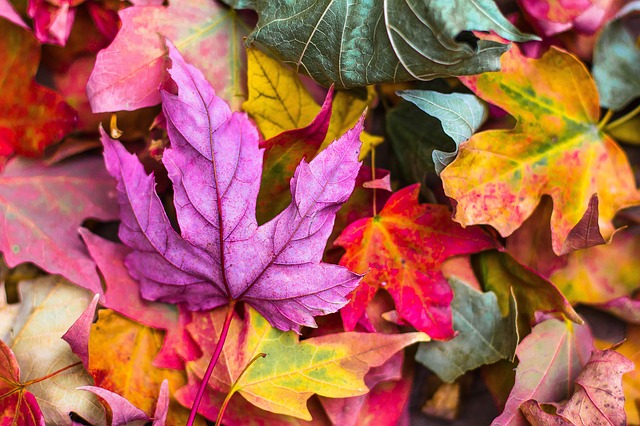
As soon as the calendar flipped to September and ‘back to school’ was declared, Mother Nature seemed to follow suit. Nighttime temperatures chilled rapidly, and in the mornings, I need to throw on a sweater to head outside. I’ve wholeheartedly embraced the fall season. My pumpkin decorations are out, my candles are flickering on the credenza, and I’m dreaming about all the fun fall activities I want to partake in the coming months. Everything suddenly feels cozier. I’m eager to curl up and read through my TBR (to-be-read) pile of books. I’m irrationally upset over the fact that my wardrobe doesn’t contain more orange hues. My weekly meal plan consists of stews, soups, and root vegetables. Fall is early, and I hope it’s here to stay.

As a gardener, the arrival of fall typically means it’s time to begin the yearly ritual cleanup. I try to get through it bit by bit, attacking some tasks earlier than others, so as not to overwhelm myself in late October or November. If you’re noticing the chill sneaking up on you, but you’re unsure where to start with your cleanup, here are a few suggestions:

Get rid of nightshades: Heat-loving plants are the first to be extracted from my garden. The cold nights begin to stress the eggplants and peppers. A few tomatoes might still appear, but if your plants are no longer producing, browning, and looking less than perky it’s time to pull them and toss them in the brown bin. Never throw diseased plants in your compost, but feel free to toss healthy ones in there. 

Save some bean seeds: I’ve left my first bean plants to die out because I’m planning to save some seeds from a few forgotten pods. Saving bean seeds is incredibly easy, and if you do it, you won’t have to spend money on packets for next season. Leave the pods and harvest the seeds once the pods have dried out completely. 

Get rid of anything disease or pest-infested: Toss skeletonize kale and brassicas into your city compost bin.

Cover beds: If you’re growing anything for a late harvest, you may want to consider adding protection if you’re in a particularly cold climate. A bit of cover is also useful to prevent leaves from falling all over your beds. It’ll also keep pesky squirrels from snatching a last-minute snack. 

Remove non-permanent structures: Decorations, non-permanent trellises, and unused pots and containers can be put away in the shed or garage for the season. Any summer tools (e.g., shade cloth) can be stored away safely, too. 

Don’t forget your fall crops. If you’re growing things like arugula, lettuce, and spinach for a fall or winter harvest, don’t forget about them. Even in the chillier weather, your plants need to be watered and cared for. 

Do these things bit by bit and you’ll discover that the end of the gardening season will become a lot less stressful. It’s the exact same way I treat my house cleaning chores. I do a little bit of something every day. That way, I’m not left pulling my hair to get it all in in a single day. 

Photograph of Steph Coelho.
Steph Coelho

Steph Coelho is a freelance writer gardening in zone 5b. She is a certified Square Foot Gardener and has taught various garden-related workshops. When she’s not digging in the dirt or writing, she’s cooking up fresh produce, running, or listening to her favorite podcasts.

Filed Under: Uncategorized Tagged With: cleanup, fall

Previous Post: « Easy Preserving for the Frugal Gardener: Tomato Edition
Next Post: 5 Things You Can Probably Still Plant Now for a Fall Harvest »

Reader Interactions

Leave a Reply Cancel reply

Your email address will not be published. Required fields are marked *

Primary Sidebar

Struggling to get your garden off the ground? Put those days behind you with our special starter kit – perfect for thrifty green thumbs everywhere. Get growing and add a splash of color today!

Popular Posts

  • usda free seeds websiteHow To Get Free Seeds From The Government by Amanda Blankenship Seeds might seem like a small expense, but any seasoned…
  • Enviro Ice On PlantsShould I Use Enviro Ice On My Plants? by Kathryn Vercillo Every week, I receive food from Hungryroot. It's a great…
  • is shredded paper good for the gardenFrom Trash to Treasure: Transform Shredded Paper Into Garden Gold by Amanda Blankenship Should you use shredded paper as garden mulch? It might…
  • Enviro IceWhat Happens to Plants If You Use Enviro Ice on Them? by Amanda Blankenship About a year ago, I wrote our first article about…
The Transplant Shock Issue and How to Prevent It

The Transplant Shock Issue and How to Prevent It

A prosperous garden can quickly turn stressful when plants suddenly droop, stall, or even fail after being moved. That frustrating moment often points to transplant shock, a condition that hits roots hard and slows growth just when success seems within reach. Many gardeners face this issue every season, especially when moving seedlings outdoors or relocating…

Read More

8 Nectar-Rich Options That Attract Hummingbirds

8 Nectar-Rich Options That Attract Hummingbirds

A backyard can transform into a living, buzzing stage when hummingbirds arrive. These tiny aerial acrobats chase bright, nectar-filled blooms with incredible energy and precision. The right plants turn an ordinary garden into a nonstop feeding station that feels almost magical in motion. Color, shape, and nectar production all work together to pull these birds…

Read More

5 Indicators Your Soil Needs Nutrient Support

5 Indicators Your Soil Needs Nutrient Support

A thriving garden rarely happens by accident. Healthy tomatoes, vibrant flowers, crisp lettuce, and lush lawns all depend on one thing hiding beneath the surface: nutrient-rich soil. When soil loses balance, plants start sending distress signals fast, and many gardeners mistake those symptoms for pests, bad weather, or poor watering habits. The dirt itself often…

Read More

5 Natural Fertilizing Methods That Actually Work

5 Natural Fertilizing Methods That Actually Work

Your garden does not have to rely on expensive chemicals or complicated formulas. The real secret often hides in everyday kitchen scraps, yard waste, and simple habits that gardeners have used for generations. Plants respond best when soil stays alive, rich, and full of organic goodness. That is where natural fertilizing methods step in and…

Read More

  • About
  • Contact Us
  • Garden Frugally
  • Buy These
  • Privacy Policy
  • Navigation Menu: Social Icons

    • Facebook
    • Pinterest
    • Twitter
  • Facebook
  • Pinterest
  • Twitter

Copyright © 2026 · Foodie Pro & The Genesis Framework