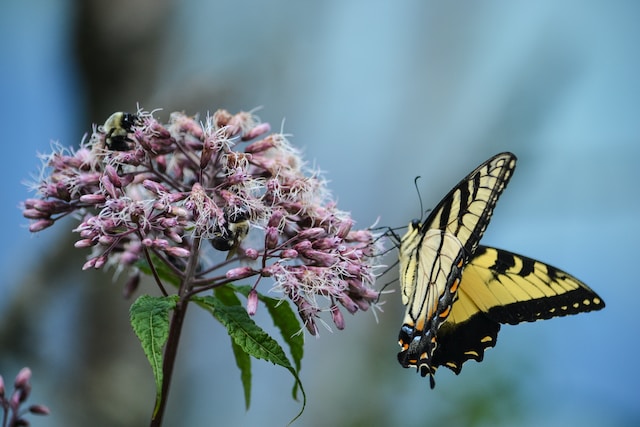
Pollinators are important to your garden. If you want a sustainable garden, then you’ll want to find ways to naturally attract pollinators. And if you want a frugal garden, then you’ll need to figure out how to do so cheaply. Luckily, there are a lot of options for you to do so.
What Are Pollinators?
I confess that I always think of bees when I think of pollinators. They’re the quintessential ones. However, there are actually quite a few different pollinators. So, what does this term even mean?
Pollinators are any animal that helps to transfer pollen from the stamens to the stigma of plants. In other words, they facilitate plant mating. This leads to seeds and fruits. Bees are pollinators. However, so are birds, butterflies, moths, flies, and beetles. There are even some mammals like mice and bats that can help pollinate.
Why Do You Want to Naturally Attract Pollinators To Your Garden?
Pollinators are a good thing. Without proper pollination, many plants would not be able to produce viable seeds or fruits. Therefore, you want to bring them to your garden. Benefits when you naturally attract pollinators to your garden include:
Increased And Improved Yields
With more efficient pollination, your garden’s crop yields are likely to increase. They promote more uniform and abundant harvests. Pollinators can even improve fruit quality! Whether you’re growing fruits, vegetables, or seeds, the presence of pollinators can lead to higher productivity and better overall yields.
Biodiversity
Pollinators contribute to the overall biodiversity and ecological balance of your garden. They facilitate cross-pollination among different plant species, This aids in genetic diversity and the survival of various plant populations. By attracting pollinators, you promote a diverse range of flowering plants, which in turn supports a broader array of wildlife and beneficial insects in your garden. It’s a beautiful cycle.
Ecosystem Services
Pollinators provide invaluable ecosystem services beyond pollination. They contribute to the broader ecological functioning of ecosystems, including habitat creation, food web support, and nutrient recycling. By attracting pollinators, you enhance the ecological resilience and health of your garden, creating a more balanced and self-sustaining ecosystem.
Conservation
Attracting pollinators to your garden contributes to the conservation and protection of these vital species. Many pollinators, including certain bee species, face population declines due to habitat loss, pesticide exposure, and other factors. By providing a welcoming environment with a variety of nectar-rich flowers and suitable nesting habitats, you can support pollinator populations and contribute to their conservation. This is a great thing for the world.
Did you know that you can certify your habitat to help wildlife?!
Garden Beauty and Joy
Pollinators, such as butterflies and hummingbirds, add a vibrant and colorful element to your garden. Their presence enhances the aesthetic appeal of your outdoor space. This creates a visually appealing and more dynamic environment. Watching pollinators in action can be a delightful and educational experience, bringing joy and wonder to both adults and children. In other words, it is simply fun to naturally attract pollinators to your garden.
Cheap Ways To Naturally Attract Pollinators
Now that you’re sold on the idea of attracting pollinators to your garden, how can you do it? Here are some of the best cheap ways to naturally attract pollinators:
Plant Native Wildflowers
Native wildflowers are already well-adapted to the local ecosystem. Plus, they provide abundant nectar and pollen resources. Therefore, they attract a wide range of pollinators, including bees, butterflies, and hummingbirds, with their diverse colors, shapes, and scents. Native plants also support local biodiversity and help maintain the ecological balance of your region. This is one of the best cheap ways to naturally attract pollinators while adding beauty to your garden.
Create Habitat Diversity
Provide a variety of habitats and shelter options to attract different pollinator species. Incorporate elements like flowering shrubs, trees, grasses, and nesting sites such as log piles or rock crevices. These habitats offer nesting opportunities, resting places, and protection from predators. Therefore, they are key to making your garden more inviting to pollinators.
Provide Water Sources
Place shallow dishes or bowls filled with water in your garden to provide a water source for pollinators. Adding pebbles or stones to the container allows insects to perch safely while drinking. Water sources are particularly crucial in hot and dry climates.
Avoid Pesticides
Minimize or eliminate the use of pesticides in your garden. Pesticides can be harmful to pollinators, disrupting their behavior, health, and reproduction. Embracing organic gardening practices helps create a safe and welcoming environment for pollinators, allowing them to thrive and carry out their important pollination role.
Plant a Succession of Blooming Plants
Select a diverse array of flowering plants that bloom at different times throughout the growing season. This ensures a continuous food supply for pollinators from spring to fall. By providing a succession of blooms, you support pollinators throughout their lifecycle, from early-season emergence to late-season preparations for winter.
Provide Host Plants for Caterpillars
Many pollinators, such as butterflies, require specific host plants for their caterpillars to feed on. Research and include host plants in your garden that cater to the needs of particular pollinator species. By supporting caterpillar development, you encourage the presence of adult butterflies and contribute to their life cycle.
Minimize Garden Disturbances
Limit excessive garden clean-up and leave some areas undisturbed. Some pollinators, such as ground-nesting bees, require bare soil or leaf litter for nesting. Allow natural debris and leave patches of bare ground. In this way, you provide nesting sites and overwintering habitat for these beneficial insects.
Use Group Plantings
Plant flowers in clusters or groups rather than single plants scattered across the garden. Groupings provide a concentrated and easily recognizable food source for pollinators, increasing the efficiency of their foraging. This way, they can visit multiple flowers in one area, maximizing their access to nectar and pollen resources.
Be The Bee
In other words, ask yourself if you would come to this garden if you were bee. What would need to be different in order to bring you to buzz and pollinate there? Use your intuition to help guide you to enhancing your garden so that it naturally attracts pollinators.
Read More:
- Top 9 Common Plant Pests and How to Control Them
- Upcycling in the Garden: Everyday Items That Can Be Functional Garden Decorations
- Natural Ways to Control Fungus in Plants

Kathryn Vercillo is a long time writer, crafter and author of several books. A resident of San Francisco, she is committed to helping others explore, articulate and share their own individuals stories. When she’s not evaluating investing opportunities Kathryn is an avid knitter, researcher, and blogger.
Leave a Reply